

Ford Excursion Oxygen Sensor Guide for 2000-2005 Models
Everything a Ford Excursion owner needs to know about replacing failing oxygen sensors to restore fuel economy and performance.
- Focus on gasoline V8 and V10 models; diesel Excursions do not use these sensors.
- A bad O2 sensor will cause poor fuel economy, rough running, and a check engine light.
- Most Excursions have two upstream sensors; only California-spec models have downstream sensors.
- Choose direct-fit sensors from OEM-equivalent brands like Bosch, Denso, or NGK/NTK for best results.
Understanding Oxygen Sensor Failure in Your Excursion
The oxygen sensors on your Ford Excursion operate in a harsh environment and will eventually wear out. Contaminants like oil ash or coolant can cause them to fail prematurely. When a sensor fails, it can no longer provide accurate information to the engine computer, leading to a range of problems from poor fuel economy to potential engine or catalytic converter damage.
Symptoms of a Bad Oxygen Sensor
- Check Engine Light: This is the most common sign. A code scanner can pull specific codes like P0135 (Heater Circuit Malfunction), P0171 (System Too Lean Bank 1), or P0174 (System Too Lean Bank 2).
- Poor Fuel Economy: One of the first things owners notice is having to fill up the gas tank more often. A bad sensor can cause the engine to run too rich, wasting fuel.
- Rough Idle and Engine Misfires: An incorrect air-fuel balance can cause the engine to run rough, shake, or misfire, especially at idle.
- Reduced Power: Your Excursion may feel sluggish and have trouble accelerating.
- Rotten Egg Smell: This smell indicates that unburned fuel is damaging the catalytic converter, a serious and expensive problem that can be caused by a failing O2 sensor.
- Failed Emissions Test: A bad oxygen sensor will prevent your vehicle from passing an emissions test.
A Note on Diesel Excursions
This guide applies only to the gasoline-powered 5.4L V8 and 6.8L V10 models. The 7.3L and 6.0L Power Stroke diesel engines do not use the same type of oxygen sensors for fuel control.
Choosing the Right Aftermarket Oxygen Sensor
When it comes to electronic sensors for your Ford, the brand you choose matters. While Motorcraft is the OEM brand, several aftermarket manufacturers produce high-quality, reliable replacements.
Brand Quality Tiers
- OEM-Equivalent Brands (High Tier): Brands like Bosch, Denso, and NGK/NTK are often the original equipment manufacturers for Ford and other automakers. Many forum members and mechanics report that Bosch sensors are identical to Motorcraft parts, just in a different box. Choosing one of these brands is a safe bet for OE-level performance and fit.
- Reputable Aftermarket Brands (Mid Tier): Brands like Delphi and Walker Products have a long history of producing quality aftermarket components. They offer a good balance of price and performance and are generally considered reliable choices.
- Value-Oriented Brands (Economy Tier): Brands like DriveWire and other store-specific brands offer a lower price point. While they can be a budget-friendly solution, their long-term durability and sensor accuracy may not match the higher-tier brands.
Pro Tip: Upstream vs. Downstream
Upstream and downstream sensors are often physically different in terms of cable length and connector type. Always verify you are purchasing the correct sensor for the specific location. Most 2000-2005 Excursions have two upstream sensors, but only California-spec models have downstream sensors.
Cost of Replacing an Oxygen Sensor
| Part Type | Estimated Cost |
|---|---|
| New Aftermarket Sensor | $45 - $84 |
| New OEM (Motorcraft) Sensor | $60 - $100+ |
| Shop Labor | $80 - $150 per sensor |
Prices are estimates and can vary based on brand, location, and the specific sensor position. Labor costs can increase if the old sensor is seized and difficult to remove.
Frequently Asked Questions
How many oxygen sensors does my 2000-2005 Excursion have?
It depends on the emissions system. Most gasoline Excursions from this era have two upstream oxygen sensors, one on each exhaust bank before the catalytic converter. Vehicles originally sold in California or other states with stricter emissions standards may also have one or two downstream sensors after the converter. You can check the emissions label under your hood to be sure.
Should I replace all sensors at once?
It is often recommended. Oxygen sensors degrade over time, so if one has failed, the others may not be far behind. Replacing them in sets, especially the upstream pair, ensures balanced and accurate readings for the engine computer, which can restore performance and fuel economy.
Can I replace the oxygen sensor myself?
Yes, this is a DIY-feasible job for many home mechanics. However, the sensors can be seized in the exhaust pipe and difficult to remove without the proper tools, like a special O2 sensor socket and a breaker bar. Applying penetrating oil beforehand can help. The passenger side upstream sensor is known to be particularly difficult to access.
What's the difference between a universal sensor and a direct-fit sensor?
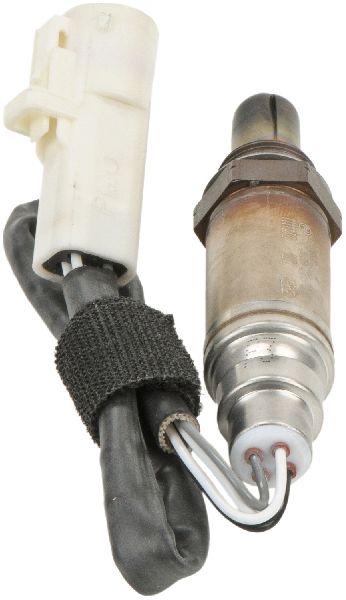
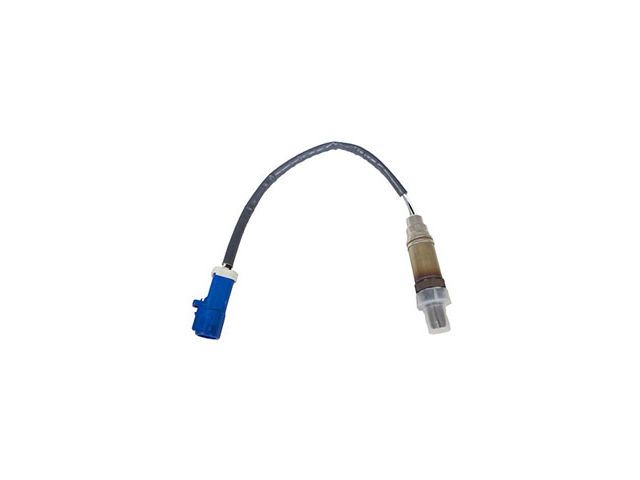
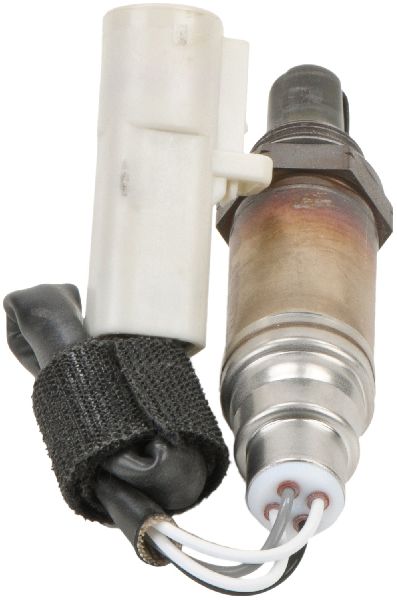
Direct-fit sensors come with the correct-length wire and factory-style connector for a simple plug-and-play installation. Universal sensors are cheaper but require you to cut the old connector off and splice it onto the new sensor's wires. This introduces a potential point of failure. For a critical part like an O2 sensor, a direct-fit model is always the recommended choice.
Technical Specifications
OEM Part Numbers: GU2Z-9G444-A
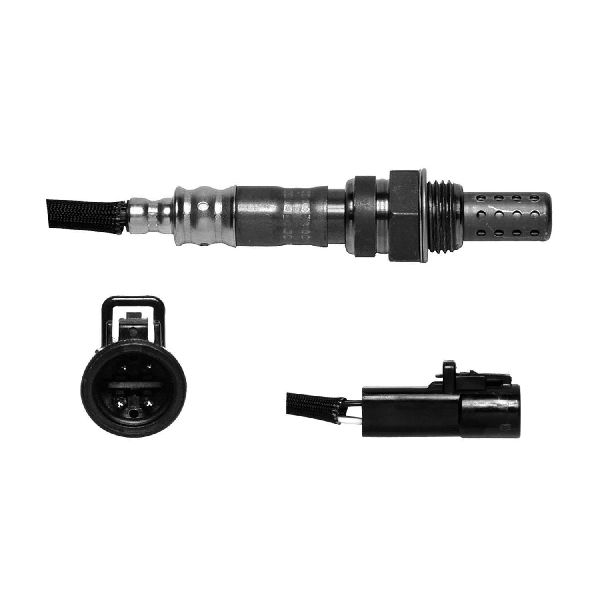
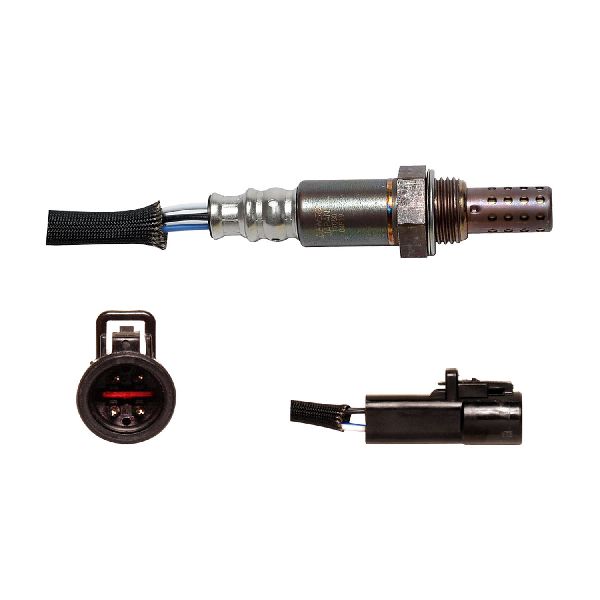
The 2000-2005 Ford Excursion with a 5.4L V8 or 6.8L V10 engine uses heated, 4-wire, narrow-band oxygen sensors. Most configurations use two upstream sensors. California emissions models add one or two downstream sensors for catalyst monitoring. Diesel models (7.3L, 6.0L) do not use these sensors.
We Have This Part in Stock

The information in this article is provided for general reference and educational purposes only. Vehicle specifications, procedures, and part compatibility can vary by production date, trim level, and region. Always consult your vehicle's factory service manual and verify part numbers before purchasing or performing repairs. Safety-critical components such as airbags, seat belts, and braking systems should be installed by a qualified professional.
- Ford Excursion:
- 🛍️ Shop This Part
- Understanding Oxygen Sensor Failure in Your Excursion
- Symptoms of a Bad Oxygen Sensor
- A Note on Diesel Excursions
- Choosing the Right Aftermarket Oxygen Sensor
- Brand Quality Tiers
- Pro Tip: Upstream vs. Downstream
- Cost of Replacing an Oxygen Sensor
- Frequently Asked Questions
- 🎟️ Get 5% Off