

A Ford Focus Owner's Guide to Radiator Coolant Hose Replacement (2000-2005)
Don't let a simple rubber hose cause major engine damage to your Focus—here's what you need to know.
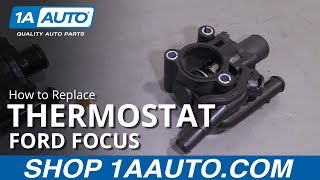
- The plastic thermostat housing is the most common cooling system failure point on this Focus; inspect it when changing hoses.
- Always replace radiator hoses in pairs (upper and lower) and use new spring-style clamps for a leak-free seal.
- Quality aftermarket brands like Gates, Dayco, and Continental offer a reliable and cost-effective alternative to expensive OEM hoses.
- A leaking radiator hose is a critical issue. Do not drive the vehicle, as it can lead to severe and expensive engine damage from overheating.
Understanding Radiator Hose Failure in Your Focus
The radiator hoses in your 2000-2005 Ford Focus are made of durable EPDM rubber, but they won't last forever. After years of exposure to heat, pressure, and engine vibrations, they can become soft, brittle, or swollen. While the rubber hoses themselves are a common wear item, it's crucial to know that this generation of Focus has other, more notorious weak points in its cooling system.
Heads Up: It's Often the Plastic Parts That Fail First
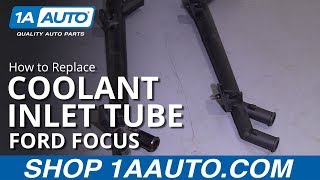
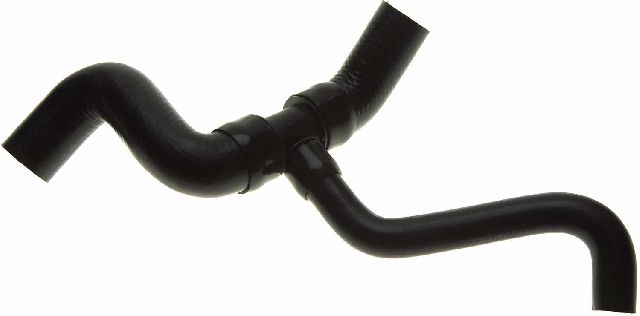
Before you blame a radiator hose, inspect the other plastic cooling components. The most common source of coolant leaks on the 2000-2005 Focus is the plastic thermostat housing. This part is known to become brittle and crack, causing significant leaks. Similarly, models with the 2.0L SOHC or some Zetec engines have a plastic heater hose assembly (part number YS4Z-8290-BA) that is famous for shattering with little warning. 🎬 See how to replace the fragile plastic heater hose assembly When replacing your radiator hoses, always inspect these plastic parts carefully.
Symptoms of a Failing Radiator Hose
Watch for these signs that a radiator hose needs to be replaced:
- Coolant Leaks: Puddles of green or yellow coolant under the front of your car are a dead giveaway.
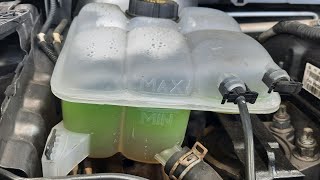
- Low Coolant Level: The coolant reservoir is consistently low, requiring frequent top-offs.
- Engine Overheating: The temperature gauge on your dashboard climbs into the red zone. This is a critical sign to stop driving immediately.
- Visible Hose Damage: Look for cracks, splits, or abrasions on the hose surface.
- Spongy or Swollen Hoses: Squeeze the hoses (when the engine is cool). If they feel mushy, soft, or bloated, they are failing from the inside out and should be replaced.
- Sweet Smell: The smell of hot coolant is distinct and often the first sign of a small leak you can't see yet.
Choosing the Right Aftermarket Radiator Hose
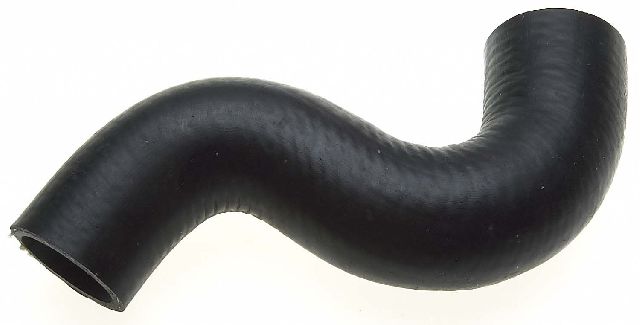
You don't need to pay high dealership prices for an OEM hose. Quality aftermarket brands offer excellent performance and value for your Focus. When shopping, focus on fit and brand reputation.
Brand Quality Tiers
- Top-Tier Aftermarket (Recommended): Brands like Gates, Dayco, and Continental are trusted names in the industry. They manufacture molded hoses designed to fit your specific Focus engine. While user opinions vary on which is best, all three produce reliable EPDM rubber hoses that meet or exceed OEM specifications. Fitment can occasionally vary slightly from the original, but they are the go-to choice for most repairs.
- Economy Brands: Avoid generic, no-name hoses. While cheaper, they often use lower-quality materials and may not fit correctly, leading to premature failure and leaks.
Pro Tip: Replace Hoses and Clamps in Pairs
If one radiator hose has failed, the other is likely not far behind. It's smart, preventative maintenance to replace both the upper and lower hoses 🎬 Watch: The best way to access the lower hose connection at the same time. Always use new spring-style hose clamps; old clamps can lose tension and cause leaks.
Cost to Replace a Ford Focus Radiator Hose
| Part Type | Estimated Cost |
|---|---|
| New Aftermarket Radiator Hose (Single) | $24.15 - $85.78 |
| New OEM Ford Radiator Hose (Single) | $190 - $310+ |
| Shop Labor for Replacement (1-2 Hoses) | $154 - $226 |
| Total Professional Replacement (Aftermarket Parts) | $378 - $450 |
Frequently Asked Questions
Is it hard to replace a Focus radiator hose myself?
No, it's a DIY-friendly job for most home mechanics. The process takes 1-2 hours and requires basic hand tools like pliers for the clamps, a drain pan for the coolant, and screwdrivers. The main steps are draining the cooling system, removing the old hoses and clamps, installing the new parts, and then refilling and burping the air out of the system.
What else should I replace with my radiator hoses?
It is highly recommended to replace the thermostat and its plastic housing at the same time. The housing is a known failure point and is easier to access while the hoses are off. Also, replace the coolant with the correct type for your vehicle and install new hose clamps.
How do I know which engine my 2000-2005 Focus has?
The engine type determines which hoses you need. The 2.0L SOHC (SPI) engine has a silver aluminum valve cover that says "2.0L Split Port". The 2.0L DOHC Zetec engine has a black plastic valve cover that says "16v Zetec". The 2.3L Duratec and SVT engines have different covers as well. Check your valve cover or the emissions sticker under the hood to be sure.
Can I reuse my old hose clamps?
It is strongly advised not to. The original spring clamps lose their tension over time. Using old clamps on new hoses is a common cause of leaks. New clamps are inexpensive and provide peace of mind.
Helpful Videos
Technical Specifications
OEM Part Numbers: YS4Z-8286-CA YS4Z-8260-CE 3S4Z-8286-BC 3S4Z-8260-BC YS4Z-8290-BA
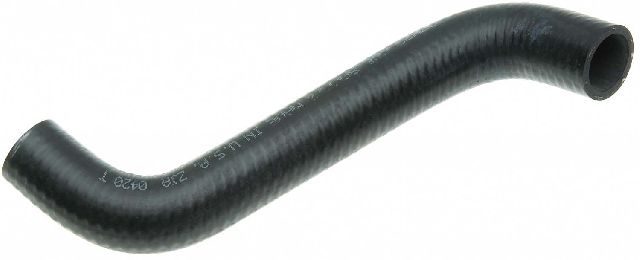
Hoses are specific to engine type (SOHC, DOHC Zetec, Duratec) and sometimes transmission type. Most are made from EPDM (Ethylene Propylene Diene Monomer) rubber and are pre-molded to fit.
We Have This Part in Stock

The information in this article is provided for general reference and educational purposes only. Vehicle specifications, procedures, and part compatibility can vary by production date, trim level, and region. Always consult your vehicle's factory service manual and verify part numbers before purchasing or performing repairs. Safety-critical components such as airbags, seat belts, and braking systems should be installed by a qualified professional.
- Ford Focus:
- 🎬 Helpful Videos
- 🛍️ Shop This Part
- Understanding Radiator Hose Failure in Your Focus
- Heads Up: It's Often the Plastic Parts That Fail First
- Symptoms of a Failing Radiator Hose
- Choosing the Right Aftermarket Radiator Hose
- Brand Quality Tiers
- Pro Tip: Replace Hoses and Clamps in Pairs
- Cost to Replace a Ford Focus Radiator Hose
- Frequently Asked Questions
- 🎟️ Get 5% Off