

A Guide to Replacing Disc Brake Calipers on a 2000-2005 Hyundai Accent
Solve brake pulling, dragging, and uneven pad wear on your Accent by understanding how to choose the right replacement caliper.
- A seized or sticking caliper is the most common failure, causing pulling, dragging, and uneven pad wear.
- For this Accent, a quality remanufactured aftermarket caliper is a reliable and cost-effective repair.
- Always replace calipers in pairs (left and right) to ensure safe, balanced braking.
- Spending a little extra for a coated caliper can prevent future rust and seizing, especially in snowy climates.
Is Your Accent's Brake Caliper Failing?
On a 2000-2005 Hyundai Accent, brake calipers can last a long time, but they are a common failure point as the car ages. The main problem is usually a seized caliper piston or stuck slide pins. This happens due to rust and contamination from road salt and moisture, which is common on an older vehicle. When a caliper seizes, it can either stay stuck applying the brakes or fail to apply them at all, creating a serious safety risk.
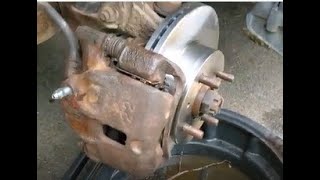
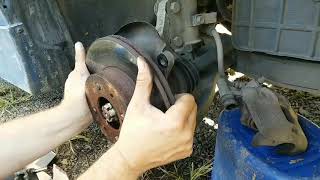
🎬 Watch: A DIY walkthrough of fixing 2005 Accent brake failureCommon Failure: Seized Caliper Slide Pins
A very frequent issue on this generation of Accent is not the main caliper piston seizing, but the slide pins. These pins allow the caliper to move and apply pressure evenly. When they rust and get stuck, the caliper can't move freely. This causes one brake pad to wear out much faster than the other and can make the car pull to one side when you brake. When replacing your calipers, it's a good idea to also replace the slide pins and lubricate them well.
Choosing the Right Aftermarket Caliper
For a 2000-2005 Accent, a new aftermarket caliper is a smart and affordable choice. Most aftermarket calipers for this vehicle are "remanufactured." This means an original caliper core has been taken, cleaned, inspected, and rebuilt with new seals, boots, and often a new piston. This is a reliable and standard industry practice.
Here’s a breakdown of common aftermarket brand tiers you'll find:
- Good (Value-Oriented): Brands like Cardone often offer the lowest price. They can be a good budget option, but some mechanics report occasional quality control issues. It's a trade-off between cost and potential for a warranty replacement down the road.
- Better (Standard Replacement): Brands like Centric and Raybestos are considered solid, reliable choices by many installers. They generally have a good reputation for their remanufacturing process and are a safe bet for a daily driver Accent.
- Best (Premium/Coated): Look for calipers from any of these brands that are advertised as "coated." These calipers have a special paint or coating that helps prevent rust and corrosion. In areas with road salt and harsh winters, spending a few extra dollars on a coated caliper is highly recommended to make it last longer.
Pro Tip: Always replace brake calipers in pairs (both front left and front right). If one caliper has failed due to age and corrosion, the other side is likely not far behind. Replacing both at the same time ensures even braking performance and prevents you from having to do the same job again in a few months.
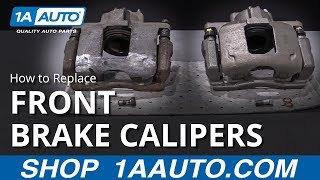
🎬 See this step-by-step guide on replacing front brake calipersAftermarket Disc Brake Caliper Cost for 2000-2005 Hyundai Accent
| Part Type | Estimated Cost |
|---|---|
| New Aftermarket Caliper | $42.69 - $59.07 (per caliper) |
| Shop Labor | $110 - $252 (for one side) |
Note: Prices are estimates and can vary based on your location and the specific retailer. Many remanufactured calipers require a "core charge," which is a refundable deposit you get back when you return your old caliper.
Frequently Asked Questions
What's the difference between a caliper with a bracket and without?
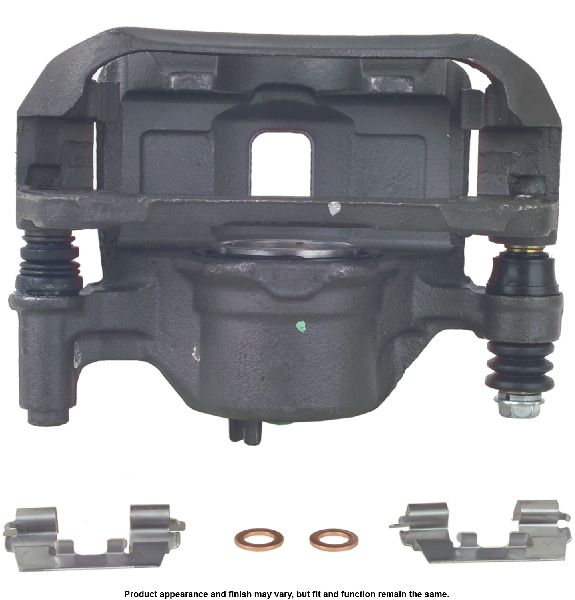
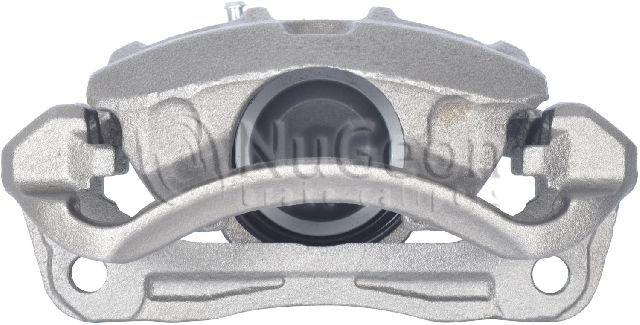
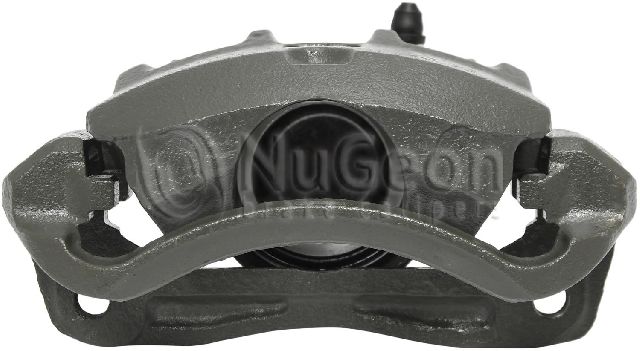
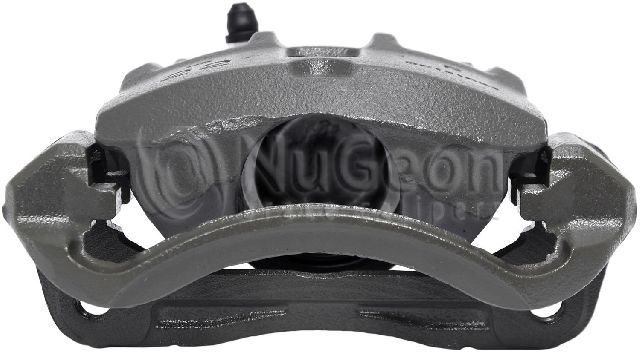
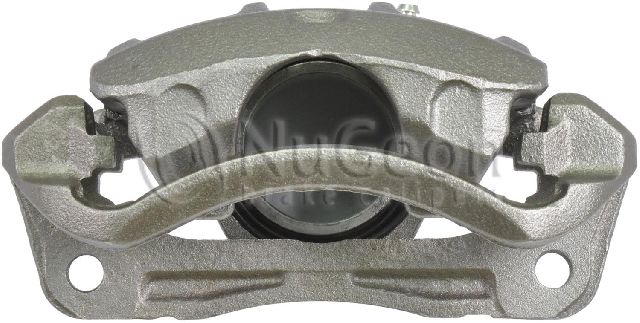
The caliper bracket is the larger piece that bolts directly to the steering knuckle. The caliper itself then bolts to this bracket with the slide pins. For the 2000-2005 Accent, you can often buy a caliper that comes with a new, pre-lubricated bracket. This can save time and ensure your slide pins move freely, which is a common point of failure. If your old bracket is in good shape and you're comfortable cleaning and lubricating the slide pins yourself, you can buy a caliper without the bracket to save a little money.
Should I replace my brake hoses at the same time?
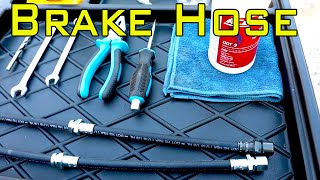
It's a very good idea. The flexible rubber brake hoses that connect to the calipers can degrade from the inside over time, acting like a one-way valve and causing the caliper to stick. They can also become brittle and crack. Since you're already disconnecting the hose to replace the caliper, replacing it at the same time is cheap insurance and a smart preventative repair.
🎬 Learn how to replace brake hoses and bleed the systemDo I need to bleed the brakes after replacing a caliper?
Yes, absolutely. When you disconnect the brake hose, air enters the hydraulic system. Air in the lines will cause a spongy or soft brake pedal and severely reduce braking power. You must bleed the brake system to remove all the air after the new caliper is installed. Start with the caliper furthest from the master cylinder (typically the rear right) and work your way closer.
Are there any recalls on the brake calipers for this Accent?
No. While there have been brake-related recalls for other Hyundai models and newer Accent years, there are no active recalls from Hyundai or the NHTSA specifically for the disc brake calipers on the 2000-2005 Hyundai Accent.
Helpful Videos
Technical Specifications
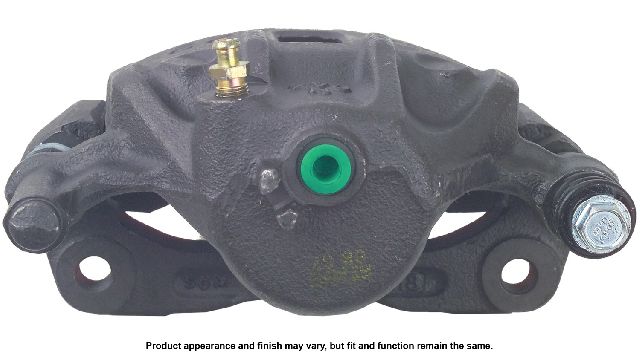
The 2000-2005 Hyundai Accent uses single-piston floating calipers for the front disc brakes. Most models are equipped with rear drum brakes.
We Have This Part in Stock

The information in this article is provided for general reference and educational purposes only. Vehicle specifications, procedures, and part compatibility can vary by production date, trim level, and region. Always consult your vehicle's factory service manual and verify part numbers before purchasing or performing repairs. Safety-critical components such as airbags, seat belts, and braking systems should be installed by a qualified professional.
- Hyundai Accent: