

A Guide to Disc Brake Rotors for the 2000-2005 Mitsubishi Eclipse
If your Eclipse shakes when you brake, this guide will help you choose the right replacement rotors to restore smooth, safe stopping.
- Verify your Eclipse model (GT/GTS vs. GS/RS) before ordering, as V6 and 4-cylinder cars use different size rotors.
- For the best results and safety, always replace your brake pads when you install new rotors.
- Consider rotors with a protective E-coating (like those from Centric) to prevent rust on the hub and edges, which is a common issue.
- For most drivers, a quality OEM-equivalent rotor from a brand like Centric or Raybestos provides the best combination of performance and value.
Symptoms of a Bad or Failing Disc Brake Rotor
Worn or failing brake rotors are a common issue on any vehicle, and the Mitsubishi Eclipse is no exception. Ignoring the signs can lead to longer stopping distances and more expensive repairs down the line. Here’s what to look and listen for:
- Vibration or Pulsing: The most common symptom is a shaking or pulsing feeling in the steering wheel or brake pedal when you apply the brakes. This is often caused by uneven wear or what is commonly called a "warped" rotor. 🎬 Watch: Learn more about the symptoms of warped brake rotors.
- Grinding or Squealing Noises: A high-pitched squeal usually points to worn brake pads, but a deeper grinding sound often means the pads are completely worn away and you have metal-on-metal contact, which damages the rotor.
- Visible Grooves or Damage: A visual inspection of your rotors can reveal deep grooves, scoring, or an uneven, worn-down surface. You may also see a prominent lip on the outer edge of the rotor where the brake pad doesn't make contact.
- Increased Stopping Distance: If you notice your Eclipse is taking longer to stop than it used to, your brake system, including the rotors, may be compromised.
A Critical Ordering Mistake to Avoid
The single most important thing to know when ordering rotors for your 2000-2005 Eclipse is which engine you have. The braking systems are different between the 4-cylinder and V6 models.
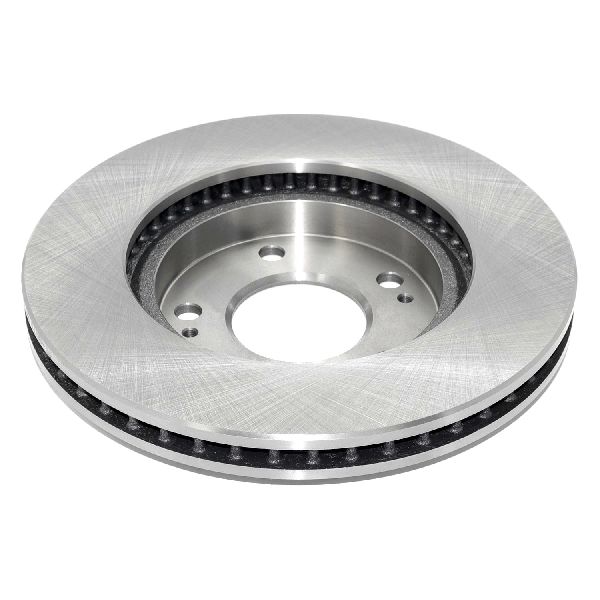
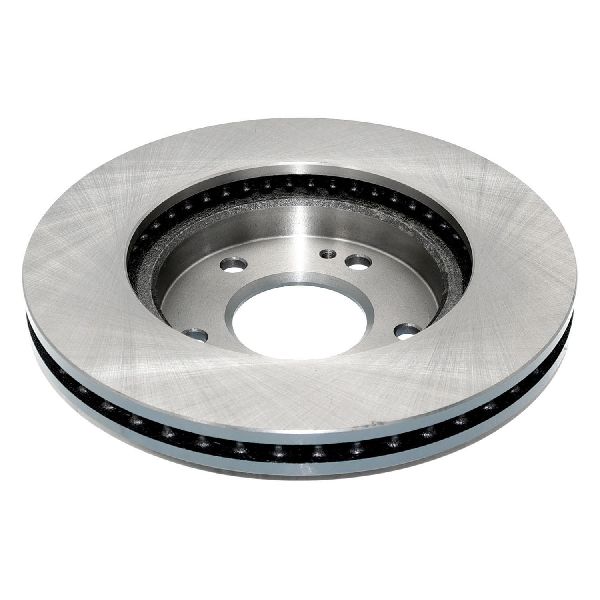
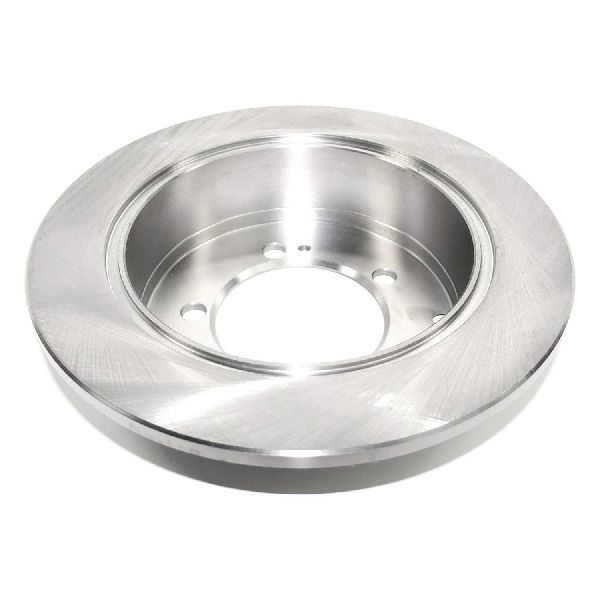
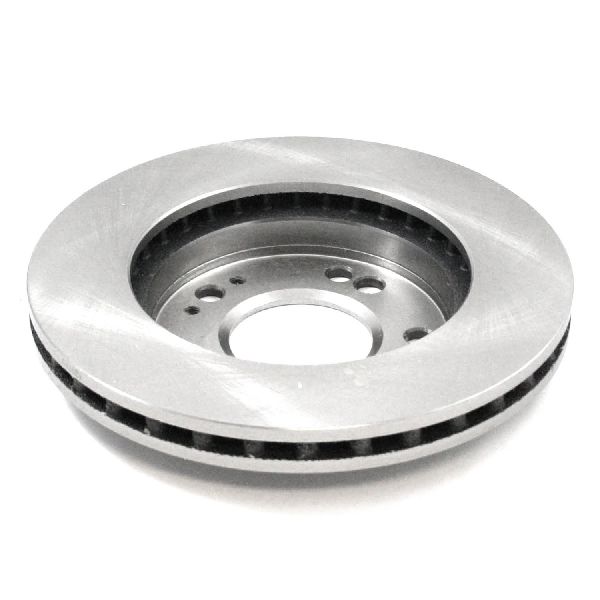
- GT & GTS (3.0L V6): These models have larger 10.9-inch front ventilated rotors and 10.3-inch rear disc brakes.
- GS & RS (2.4L 4-Cylinder): These models use smaller 10.1-inch front ventilated rotors. Most 4-cylinder models came with rear drum brakes, not discs.
Always confirm your submodel (GT, GS, etc.) before purchasing to ensure you get the correct parts.
Choosing the Right Aftermarket Rotors for Your Eclipse
Aftermarket rotors offer a wide range of options that can meet or exceed the quality of the original parts. They generally fall into three tiers.
Tier 1: Economy (Daily Driver)
These are your most affordable options, designed to be a direct, no-frills replacement for your stock rotors. They are a good choice for drivers on a budget who use their Eclipse for normal daily commuting.
- Brands: Pronto, Dynamic Friction
- Best For: Basic transportation, low-mileage drivers.
Tier 2: OEM-Quality (Daily Driver Plus)
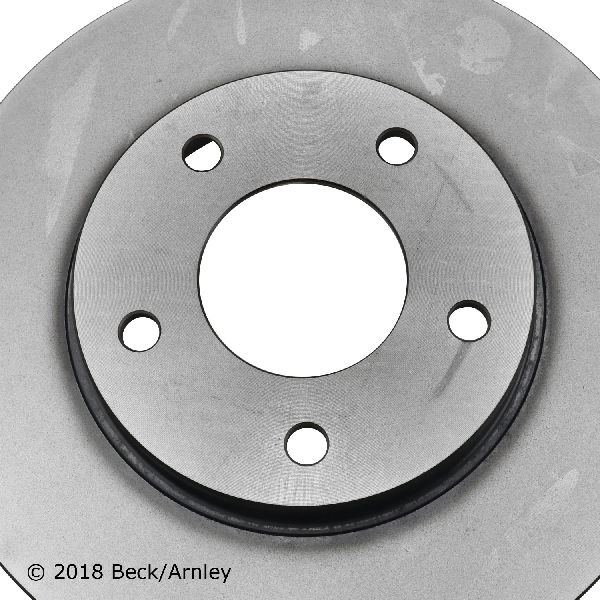
This is the sweet spot for most owners. These rotors offer quality, fit, and performance that is equivalent to or better than the original factory parts. Many rotors in this category feature a black or grey E-coating on the hub and edges, which helps prevent rust and keeps them looking good behind your wheels.
- Brands: Centric, Raybestos, Bosch, Bendix, Beck Arnley
- Pro-Tip: Centric's premium rotors with the black E-coating are a popular choice for their balance of quality, rust prevention, and price. Raybestos is also a solid, well-known option.
Tier 3: Performance Upgrade (Spirited Driving & Style)
If you drive your Eclipse like the sports car it is, or if you want an aggressive look, performance rotors are a great option. These often feature drilling (holes) or slotting (grooves) to help vent hot gases and improve bite, especially in repeated hard braking. However, they can sometimes create more noise than smooth rotors.
- Brands: Powerstop, StopTech, EBC Brakes, Brembo
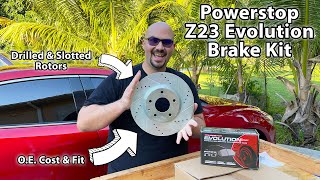
- Details: PowerStop is well-known for affordable all-in-one kits that include drilled/slotted rotors and matching pads. EBC and StopTech 🎬 See this unboxing and installation of a PowerStop brake kit. are considered higher-end performance brands offering significant stopping power improvements for enthusiasts.
Always Replace Pads with Rotors
It is highly recommended to replace your brake pads at the same time you install new rotors. Putting old, worn pads on new rotors will cause uneven wear and prevent the brakes from performing correctly. It's a small extra cost that ensures your brake job is done right.
How Much Do New Rotors Cost for a 2000-2005 Mitsubishi Eclipse?
The cost will depend on the brand you choose and whether you do the work yourself. This table gives you a general idea of what to expect.
| Part Type | Price Range (Per Pair) |
|---|---|
| New Aftermarket Rotors (Front Pair) | $40 - $276 |
| Shop Labor for Installation (Front Pair) | $150 - $250 |
Frequently Asked Questions
Can I just resurface my old rotors?
While resurfacing (machining) rotors was once common, it's often not cost-effective today. Modern rotors are thinner to save weight, and there may not be enough material to safely machine away. With the affordable cost of new aftermarket rotors, replacement is almost always the better and safer choice.
What are drilled and slotted rotors for? Do I need them?
Drilled holes and slots on a rotor surface help dissipate heat and gases that build up during heavy braking, which can reduce brake fade. For daily driving, they are not necessary and are mostly for appearance. For spirited driving or track use, they can offer a performance benefit. However, cheap, poorly made drilled rotors can be prone to cracking.
Were there any recalls on the 2000-2005 Eclipse brakes?
There were no recalls specifically for the disc brake rotors on this generation of Eclipse. There was a recall for a potential defect in the brake booster and master cylinder assembly on some vehicles (NHTSA recall 05V247000), which could result in a loss of braking performance. The most well-known recall for this car involves the passenger-side sun visor.
How difficult is it to replace the rotors myself?
Replacing brake rotors is a common DIY job that a moderately skilled person can do with the right tools. The process involves safely lifting the car, removing the wheel, the brake caliper, and the caliper mounting bracket to access the rotor. If you are not comfortable with this process, it is best to have a professional mechanic do the work.
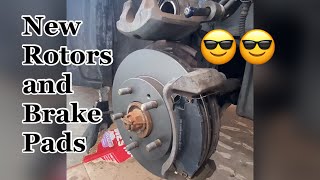
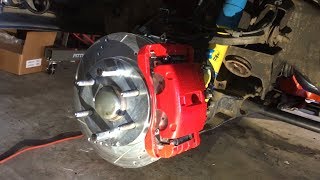
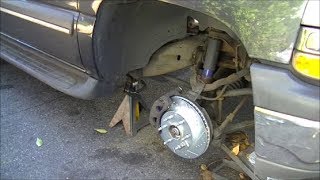
🎬 Watch: Step-by-step guide to replacing Eclipse pads and rotors.Helpful Videos
Technical Specifications
OEM Part Numbers: MR407263 MR407264 MR475913 MR475914
Front Rotor (GT/GTS V6): 10.9 in / 276mm Ventilated Disc. Front Rotor (GS/RS I4): 10.1 in / 256mm Ventilated Disc. Rear Rotor (GT/GTS V6): 10.3 in / 262mm Solid Disc. Rear Brake (GS/RS I4): Typically 9.0 in / 229mm Drum Brakes.
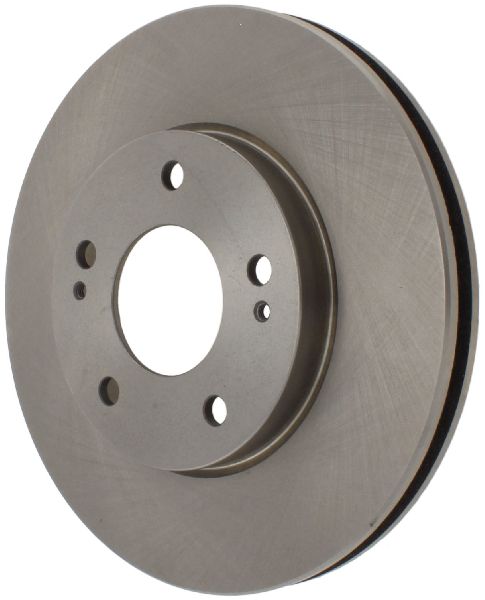
We Have This Part in Stock

The information in this article is provided for general reference and educational purposes only. Vehicle specifications, procedures, and part compatibility can vary by production date, trim level, and region. Always consult your vehicle's factory service manual and verify part numbers before purchasing or performing repairs. Safety-critical components such as airbags, seat belts, and braking systems should be installed by a qualified professional.
- Mitsubishi Eclipse:
- 🎬 Helpful Videos
- 🛍️ Shop This Part
- Symptoms of a Bad or Failing Disc Brake Rotor
- A Critical Ordering Mistake to Avoid
- Choosing the Right Aftermarket Rotors for Your Eclipse
- Tier 1: Economy (Daily Driver)
- Tier 2: OEM-Quality (Daily Driver Plus)
- Tier 3: Performance Upgrade (Spirited Driving & Style)
- Always Replace Pads with Rotors
- How Much Do New Rotors Cost for a 2000-2005 Mitsubishi Eclipse?
- Frequently Asked Questions
- 🎟️ Get 5% Off