

A Guide to Replacing Oxygen Sensors on the 2000-2005 Mitsubishi Eclipse
Keep your 3G Eclipse running smoothly by understanding its oxygen sensors and choosing the right replacement.
- Confirm if your Eclipse has the 2.4L 4-cylinder (2 sensors) or 3.0L V6 (4 sensors) before buying.
- For best results and to avoid issues, choose a direct-fit sensor from an OE supplier like Denso or NGK/NTK.
- A bad oxygen sensor will trigger the Check Engine Light and hurt your fuel economy; replace it promptly.
- You will likely need a special oxygen sensor socket to remove the old part, as it can be rusted in place.
Understanding Your Eclipse's Oxygen Sensors
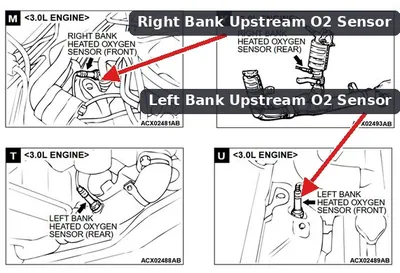
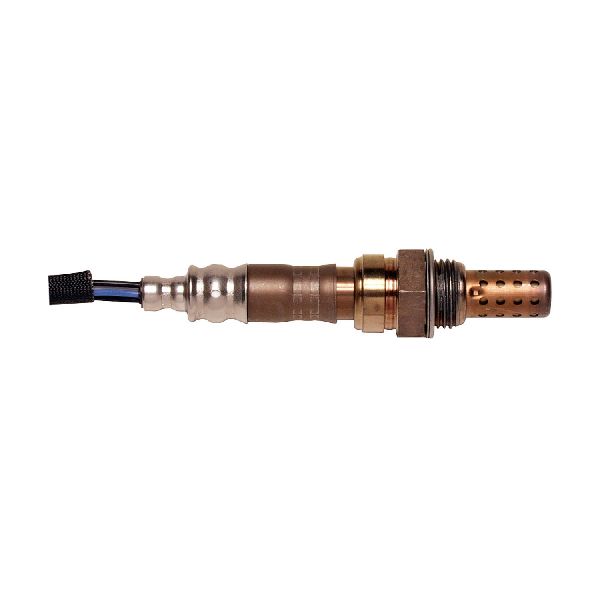
The oxygen sensors on your 2000-2005 Mitsubishi Eclipse are critical components for engine performance and emissions control. They read the oxygen levels in the exhaust and send that data to the engine computer. This allows the computer to make real-time adjustments to the air-fuel ratio. When a sensor fails, the computer gets bad information, which can lead to a host of problems.
Engine Differences Matter
It's crucial to know which engine your Eclipse has. The 2.4L 4-cylinder (4G64) engine has two oxygen sensors: one upstream (before the catalytic converter) and one downstream (after the catalytic converter). The 3.0L V6 (6G72) engine has four oxygen sensors: two upstream (one for each cylinder bank) and two downstream.
Symptoms of a Failing Oxygen Sensor
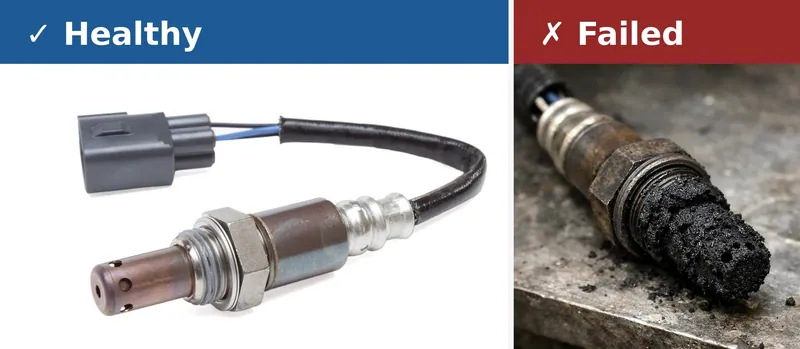
A bad oxygen sensor won't leave you stranded, but it will cause noticeable issues. The most common sign is a Check Engine Light on your dashboard. You may also experience:
- Worse fuel mileage
- A rough or uneven idle
- Poor acceleration and engine performance
- Failing an emissions test
- A smell of rotten eggs from the exhaust
Choosing the Right Aftermarket Oxygen Sensor

When it comes to oxygen sensors for Japanese vehicles like the Eclipse, not all aftermarket brands are created equal. While many brands are available, owner experiences show that sticking close to the original equipment (OE) manufacturer provides the best results and avoids compatibility issues. The original sensors for your Eclipse were likely made by Denso or NGK (also known as NTK).
Brand Recommendations
Tier 1 (Highly Recommended):
- Denso: Often the original equipment supplier for Mitsubishi. Choosing a Denso sensor is the safest bet for a direct-fit replacement that works correctly out of the box.
- NGK/NTK: Another top-tier Japanese brand and a common OE supplier. Like Denso, their sensors are known for quality and compatibility with Mitsubishi vehicles.
Tier 2 (Good Quality, Use with Caution):
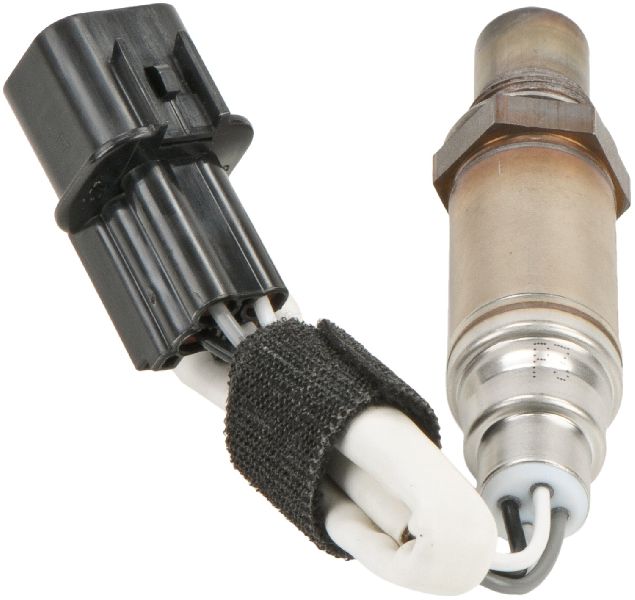
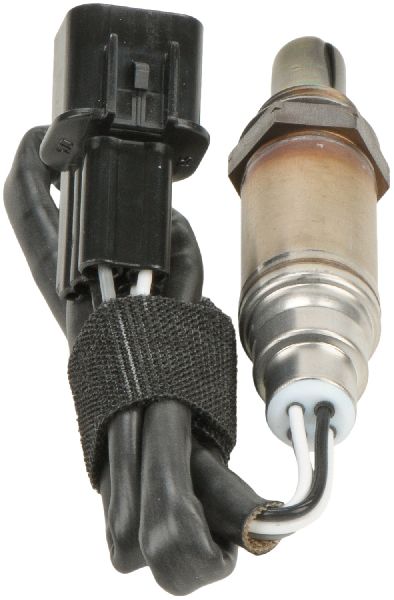
- Bosch: A well-respected brand that invented the modern O2 sensor. While they make high-quality sensors, some owners of Japanese cars report occasional compatibility issues. They are a viable option if a direct-fit model is confirmed for your specific Eclipse.
- Delphi: A reputable manufacturer of various auto parts, their sensors are generally considered reliable.
Tier 3 (Budget Options):
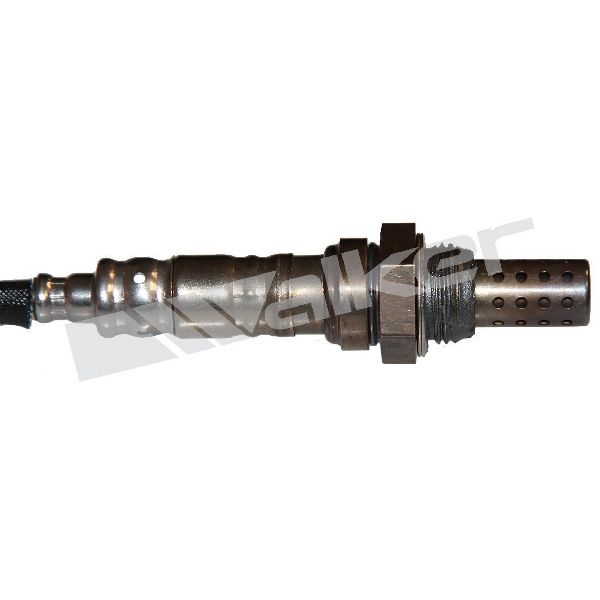
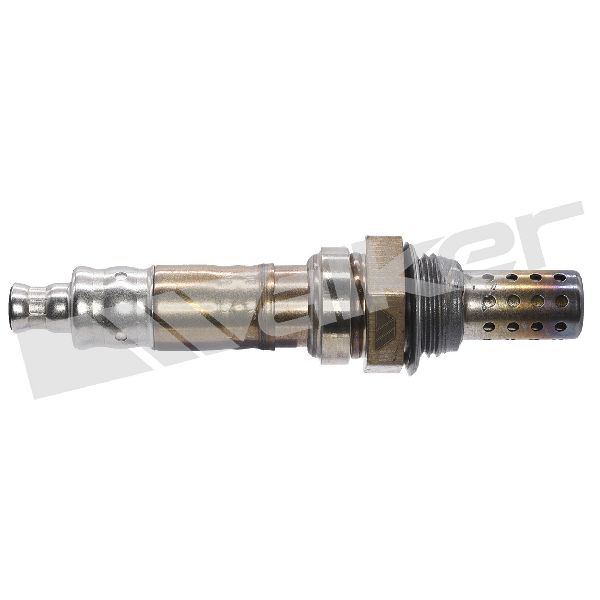
- Walker Products, DriveWire, Spectra: These brands offer more affordable sensors. They can be a good choice for those on a tight budget, but for a sensitive part like an O2 sensor on an Eclipse, it's often worth spending a bit more for a Denso or NGK to avoid potential headaches.
Direct-Fit vs. Universal
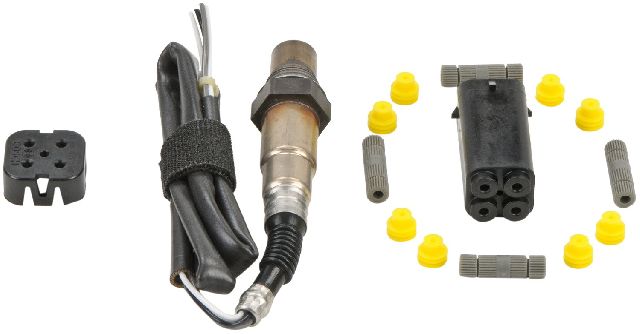
Always choose a "direct-fit" sensor. These come with the correct electrical connector for your Eclipse and require no wire splicing. Universal sensors are cheaper but require you to cut your old connector and splice it onto the new sensor, which can lead to connection problems.
Known Issues, Recalls, and TSBs
Searches for the 2000-2005 Mitsubishi Eclipse did not reveal any specific recalls or Technical Service Bulletins (TSBs) directly related to oxygen sensor failure from the National Highway Traffic Safety Administration (NHTSA). However, a recall was issued for a sun visor tether strap to prevent injury during airbag deployment. Any check engine light should be diagnosed promptly, as O2 sensor codes can sometimes be triggered by other issues like exhaust leaks or problems with the catalytic converter.
🎬 Watch: How to diagnose a P0155 heater circuit code.| Component/Service | Estimated Cost |
|---|---|
| New Aftermarket Oxygen Sensor | $25 - $150 per sensor |
| Shop Labor for Replacement | $80 - $150 per sensor |
Frequently Asked Questions (FAQ)
How many oxygen sensors does my 2000-2005 Eclipse have?
It depends on your engine. The 2.4L 4-cylinder model has two sensors (one upstream, one downstream). The 3.0L V6 model has four sensors (two upstream, two downstream).
What is the difference between an upstream and downstream sensor?
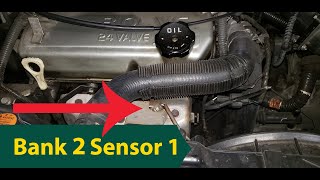
The upstream (or Bank 1, Sensor 1 / Bank 2, Sensor 1) sensor is located before the catalytic converter and is the primary sensor used to adjust the air-fuel mixture. The downstream (or Bank 1, Sensor 2 / Bank 2, Sensor 2) sensor is after the catalytic converter and its main job is to monitor the converter's efficiency.
Can I replace just one sensor?
Yes. You only need to replace the specific sensor that has failed. A code reader can help you identify the correct one (e.g., P0130 points to Bank 1, Sensor 1). However, if your car has high mileage, the other sensors may not be far from failing, and some mechanics recommend replacing them in pairs.
Do I need a special tool for replacement?
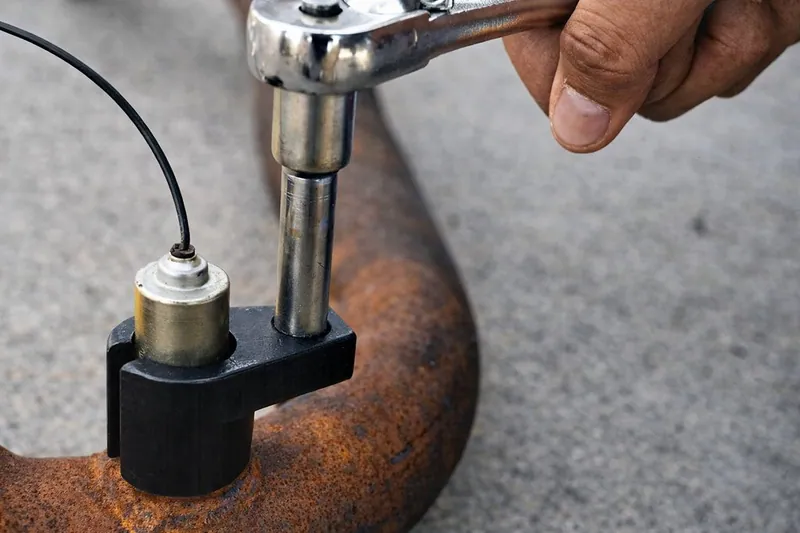
Yes, it is highly recommended. A special tool called an oxygen sensor socket is designed with a slit on the side to fit over the sensor's wire. Using one makes the job much easier, especially since the sensors can be rusted and stuck in the exhaust pipe.
Is this a difficult DIY job?
It can be. While unbolting the sensor is straightforward with the right tool, they are often seized in the exhaust pipe due to rust and heat. Getting access can also be tricky, especially for the rear bank on V6 models 🎬 See how to access and replace the front upstream V6 sensor. or the downstream sensor, which may require getting under the car. 🎬 Watch: Step-by-step guide to replacing the rear sensor on 2.4L engines. Applying penetrating fluid beforehand can help loosen a stuck sensor.
Helpful Videos
Technical Specifications
OEM Part Numbers: MD345773 MR560365
The 2000-2005 Mitsubishi Eclipse uses heated, 4-wire, narrow-band oxygen sensors. The number of sensors depends on the engine: two for the 2.4L I4 and four for the 3.0L V6. It is critical to select the correct sensor for the specific location (upstream/downstream) and engine bank (for V6 models).
We Have This Part in Stock

The information in this article is provided for general reference and educational purposes only. Vehicle specifications, procedures, and part compatibility can vary by production date, trim level, and region. Always consult your vehicle's factory service manual and verify part numbers before purchasing or performing repairs. Safety-critical components such as airbags, seat belts, and braking systems should be installed by a qualified professional.
- Mitsubishi Eclipse:
- 🎬 Helpful Videos
- 🛍️ Shop This Part
- Understanding Your Eclipse's Oxygen Sensors
- Engine Differences Matter
- Symptoms of a Failing Oxygen Sensor
- Choosing the Right Aftermarket Oxygen Sensor
- Brand Recommendations
- Direct-Fit vs. Universal
- Known Issues, Recalls, and TSBs
- Frequently Asked Questions (FAQ)
- 🎟️ Get 5% Off