

A/C System O-Ring and Gasket Kit Guide for 2000-2005 Subaru Impreza
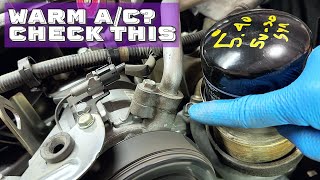
If your Impreza's A/C is blowing warm air, the small seals in the system are the most common reason why.
- Leaking o-rings at the A/C compressor are the most common cause of A/C failure on 2000-2005 Imprezas.
- Replacement requires specialized equipment to recover and recharge the refrigerant, making it a job for a professional shop.
- Always use vehicle-specific HNBR o-rings; standard rubber will fail quickly.
- When the system is open, you should also replace the receiver/drier to ensure a long-lasting repair.
Is Your Impreza's A/C Losing Its Cool?
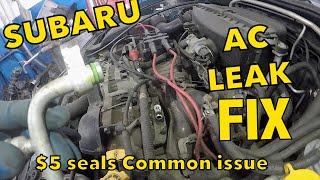
A common issue for the 2000-2005 Subaru Impreza is a gradual loss of air conditioning performance. More often than not, this problem traces back to old, hardened, or cracked o-rings. The most frequent leak point on these cars is where the A/C lines connect to the compressor, located on the front of the engine. 🎬 Watch: How to replace the common leaking compressor o-rings. Over years of heat and vibration, these small rubber seals fail, allowing refrigerant to escape and letting moisture into the system.
Symptoms of Failing A/C O-Rings
- Weak or Warm Air: The most obvious sign is air from the vents that isn't as cold as it used to be, or isn't cold at all.
- Hissing Noise: You might hear a hissing sound from the engine bay when the A/C is running or right after you turn it off. This is the sound of refrigerant escaping under pressure.
- Visible Oily Residue: Refrigerant contains a special oil (PAG oil) that circulates with it. When a seal leaks, this oil escapes too, attracting dirt and creating a greasy film around the A/C line connections.
- A/C Compressor Clutch Doesn't Engage: If enough refrigerant leaks out, the system's low-pressure switch will prevent the A/C compressor clutch from turning on to protect it from damage.
Important Material Note: HNBR is Required
A/C o-rings are not standard rubber. They must be made from Hydrogenated Nitrile Butadiene Rubber (HNBR). This material is specifically designed to resist the chemicals in R-134a refrigerant and PAG oil. Using regular o-rings from a hardware store will result in a quick failure and another leak.
Choosing the Right Aftermarket Kit
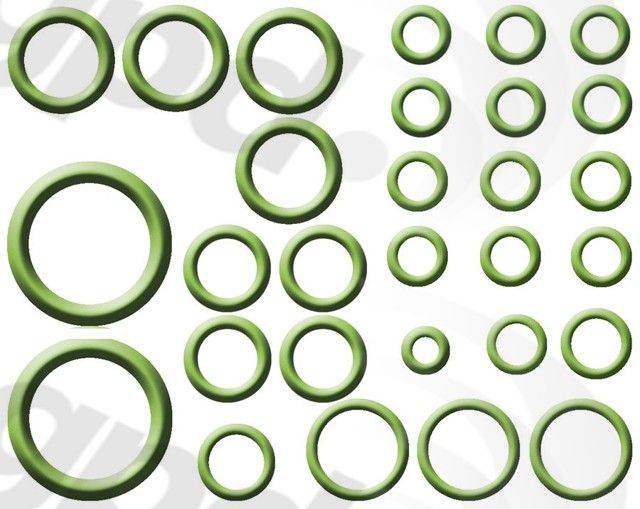
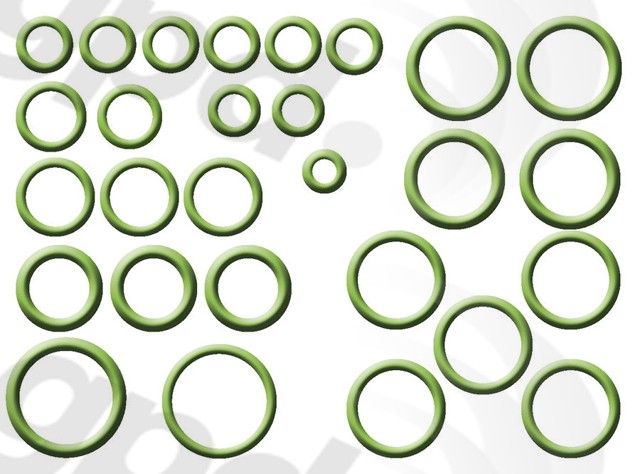
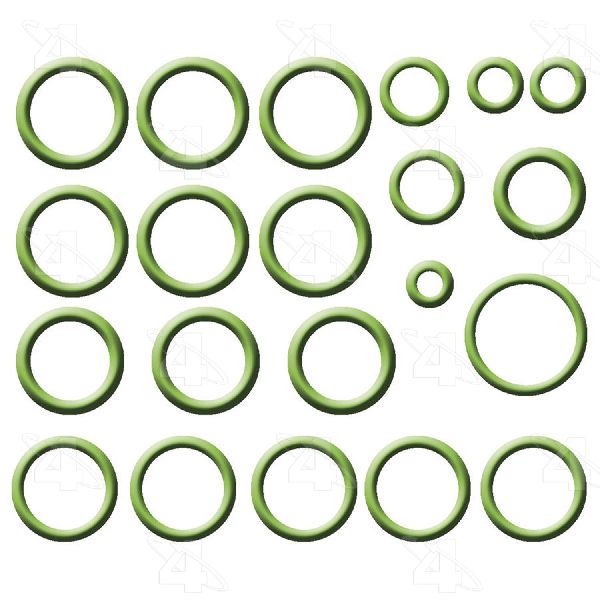
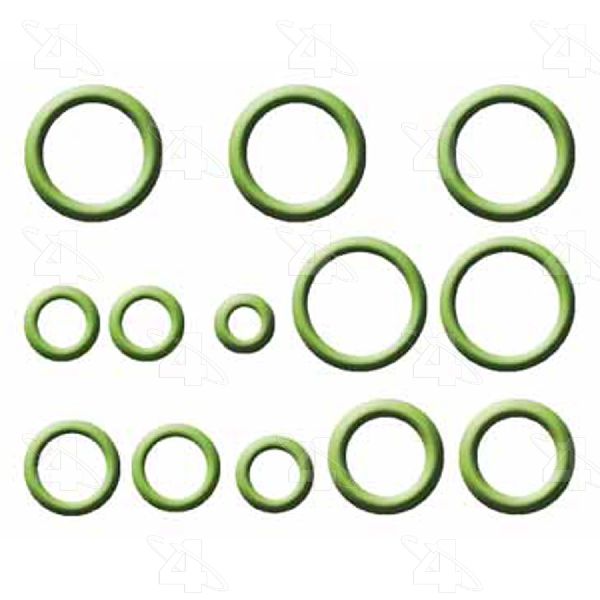
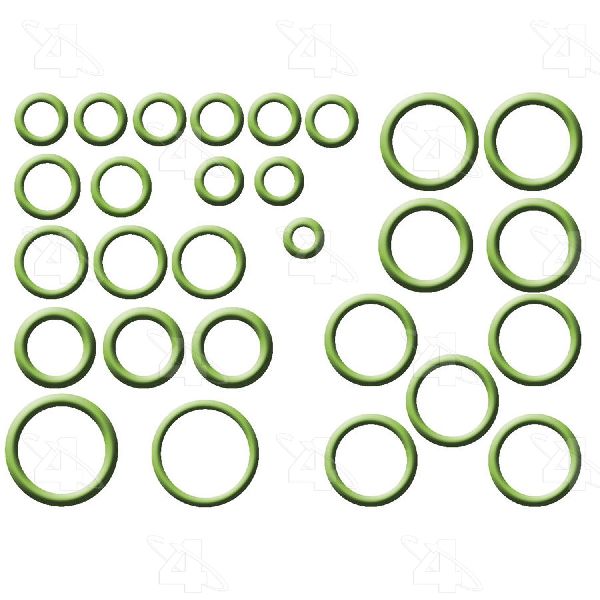
When your A/C system is opened for any repair, it's best practice to replace all the seals you can access. Aftermarket kits make this affordable. For the 2000-2005 Impreza, brands like Four Seasons and Global Parts Distributors (GPD) are common choices.
- OEM (Original Equipment Manufacturer): You can buy each o-ring individually from a Subaru dealer. This guarantees a perfect fit but is more expensive and time-consuming than buying a kit. Some mechanics prefer OEM seals, believing they are 'beefier' than some aftermarket options.
- Aftermarket Brands (Four Seasons, Global Parts): These brands offer complete, vehicle-specific kits that are a good value. They are engineered to meet or exceed original specifications and are made from the correct HNBR material compatible with your Impreza's R-134a system. For a complete system overhaul, an aftermarket kit is the most practical and cost-effective choice.
| Part/Service | Estimated Cost |
|---|---|
| New Aftermarket O-Ring Kit | $17.74 - $23.49 |
| New OEM O-Rings (Purchased Individually) | $30 - $60+ |
| Shop Labor (Evacuate & Recharge Service) | $150 - $300 |
Pro Tip: Replace the Receiver/Drier
Anytime the A/C system is opened to the atmosphere, it's highly recommended to also replace the A/C Receiver/Drier (or Accumulator). This component contains a desiccant that absorbs moisture from the refrigerant. Once exposed to air, this desiccant becomes saturated and can't protect your newly repaired system from corrosion and ice formation.
Frequently Asked Questions (FAQ)
Can I replace just the one o-ring that is leaking?
While you can, it's not recommended. The labor and cost to properly evacuate and recharge the system is the same whether you change one seal or all of them. Since all the o-rings are the same age, if one has failed, others are likely to fail soon. It's best to replace all the seals in the kit while the system is already open.
Is this a DIY job?
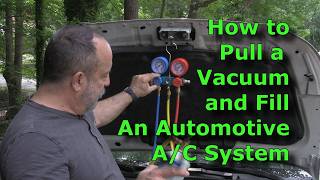
Replacing the physical o-rings is easy, but handling the refrigerant is not. Federal law requires refrigerant to be captured with a special machine, not vented into the air. The system must also be placed in a deep vacuum to boil off moisture before recharging. For these reasons, this job is best left to a professional shop with the right A/C service equipment.
🎬 See how a professional vacuum and recharge is performed.What refrigerant and oil does my 2000-2005 Impreza use?
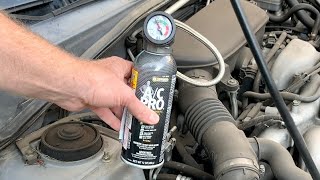
This generation of Subaru Impreza uses R-134a refrigerant. The system also requires a specific type of lubricant, PAG 46 oil, which mixes with the refrigerant. When recharging, the correct amount of oil must be added to replace any that was lost from the leak.
🎬 Watch: A guide to adding refrigerant to your Impreza.Are there any recalls for my Impreza's A/C seals?
No, there are no official recalls or Technical Service Bulletins (TSBs) from Subaru or the NHTSA for failing A/C o-rings on the 2000-2005 Impreza. However, leaking compressor o-rings are a widely recognized common problem for these vehicles among mechanics.
Helpful Videos
Technical Specifications
OEM Part Numbers: 73039TA030 73039TA040
Material: HNBR (Hydrogenated Nitrile Butadiene Rubber), Refrigerant Compatibility: R-134a
We Have This Part in Stock

The information in this article is provided for general reference and educational purposes only. Vehicle specifications, procedures, and part compatibility can vary by production date, trim level, and region. Always consult your vehicle's factory service manual and verify part numbers before purchasing or performing repairs. Safety-critical components such as airbags, seat belts, and braking systems should be installed by a qualified professional.
- Subaru Impreza: