

A Guide to Replacing HVAC Heater Hoses on a 2000-2005 Subaru Outback
Keep your Subaru's heat working and prevent engine damage by understanding when to replace your HVAC heater hoses.
- A failing heater hose is a serious issue that can lead to engine overheating.
- Always replace heater hoses in pairs; if one is bad, the other is likely near failure.
- For this vehicle, quality aftermarket brands like Gates and Continental are excellent alternatives to OEM parts.
- Use spring-style clamps for replacement and refill with Subaru-specific coolant to prevent future issues.
Symptoms of a Failing Heater Hose
On a 20-plus-year-old vehicle like the 2000-2005 Subaru Outback, rubber hoses are a common failure point. Keep an eye out for these signs, as a failed heater hose can lead to serious engine overheating.
- Visible Coolant Leaks: You may see puddles of green or blue fluid under your car, typically towards the back of the engine bay near the firewall (the barrier between the engine and the cabin). You might also notice coolant residue or stains on the hoses themselves.
- Sweet Smell: The smell of hot coolant is often described as sweet or syrupy. If you notice this smell inside or outside your Outback, it's a strong indicator of a coolant leak.
- No Heat in the Cabin: If the hoses are leaking, there may not be enough hot coolant reaching the heater core to warm the cabin air. If one heater hose is hot and the other is cold, it could signal a clogged heater core.
- Engine Overheating: A significant leak from a heater hose will lower the coolant level in the entire system. This is the most serious symptom, as a lack of coolant can cause your engine to overheat, potentially leading to catastrophic damage.
- Swollen or Soft Hoses: When you inspect your hoses (with the engine off and cool), they should feel firm. If a hose feels mushy, soft, or looks swollen and bloated, it's weakened from the inside and on the verge of failure.
Warning: Do Not Drive If Overheating
If your temperature gauge is in the red or you see steam coming from under the hood, pull over immediately and shut off the engine. Driving with an overheating engine can cause permanent damage.
Choosing the Right Aftermarket Heater Hose
For a vehicle of this age, aftermarket hoses from reputable brands offer quality that is often equivalent to the original equipment (OEM) parts. The key is choosing a trusted manufacturer. The brands available for your Outback—Gates, Dayco, Continental, and ACDelco—are all well-known in the industry.
- Premium Brands (Gates, Continental): Gates is a highly respected name in the automotive world for belts and hoses, often considered an OEM-equivalent or even an upgrade. They are known for good fitment and durability. Continental (sometimes branded as ContiTech) is another top-tier, often OEM, manufacturer with a strong reputation.
- Standard/Economy Brands (Dayco, ACDelco): Dayco is a widely available and generally reliable option that provides good value. While some mechanics have noted occasional fitment issues with Dayco compared to Gates, they are a solid choice for most repairs. ACDelco offers a wide range of parts, and while their hoses are generally considered good quality, Gates and Continental often have a stronger reputation specifically for rubber products.
Pro Tip: Replace in Pairs
Your Outback has at least two main heater hoses (inlet and outlet). 🎬 See how to replace heater hoses on a Subaru EJ engine. If one has failed due to age, the other is likely not far behind. It is highly recommended to replace both hoses at the same time, along with the hose clamps, to prevent having to do the job twice.
Cost of Replacing Heater Hoses (2000-2005 Subaru Outback)
The cost can vary depending on which specific hose needs replacement, as there are multiple coolant hoses in the engine bay. The main heater core hoses are the most common ones to be replaced. The prices below are estimates for replacing a pair of the main heater hoses.
| Part Type | Estimated Cost |
|---|---|
| New Aftermarket Hoses (Pair) | $13.20 - $93.11 |
| New OEM Hoses (Pair) | $40 - $100 |
| Shop Labor | $100 - $200 |
| Total Professional Replacement | $150 - $300 |
Frequently Asked Questions
How many heater hoses does my 2000-2005 Outback have?
Your Outback has two primary heater hoses that connect the engine to the heater core at the firewall. However, there may be other smaller hoses related to the cooling system, such as those for the throttle body on some models, so it's important to identify exactly which hose is leaking.
Is this a good DIY project for a beginner?
Replacing heater hoses can be a moderately difficult DIY job. Accessing the clamps at the firewall can be tricky. You will need to drain and refill the cooling system, which must be done correctly to avoid air pockets. If you are comfortable working on your engine and have the right tools, it is achievable. If not, it's a relatively 🎬 Watch this step-by-step 2000 Outback heater hose replacement guide. quick job for a professional mechanic.
Should I use special hose clamps?
Many mechanics recommend using spring-style clamps like the originals over worm-gear clamps. Spring clamps maintain constant tension as the hose expands and contracts with temperature changes. Using worm-gear clamps on the plastic radiator or heater core fittings can lead to cracking if overtightened.
What kind of coolant should I use?
After replacing the hoses, you must refill the system with the correct coolant. For this generation of Subaru, you should use Subaru Super Coolant (blue) or a compatible Asian vehicle P-HOAT (Phosphate-Hybrid Organic Acid Technology) coolant. Using the wrong type can cause corrosion and other cooling system problems.
Helpful Videos

Technical Specifications
OEM Part Numbers: 72411AC020
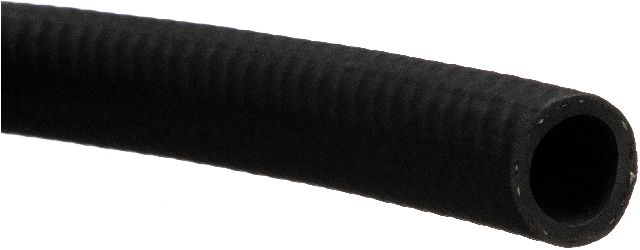
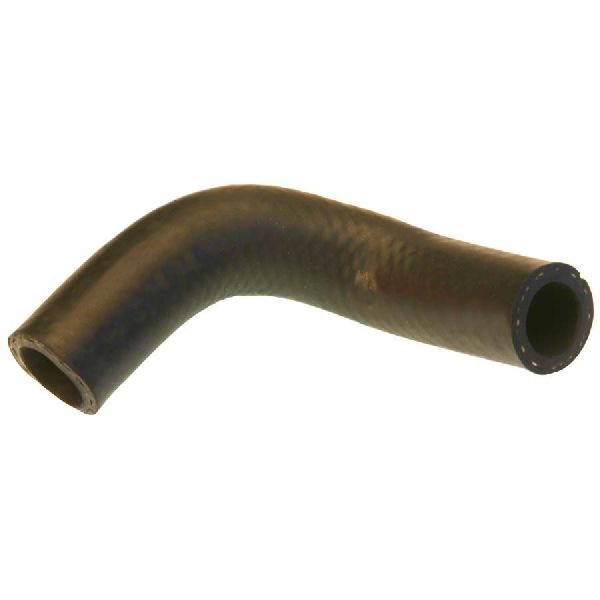
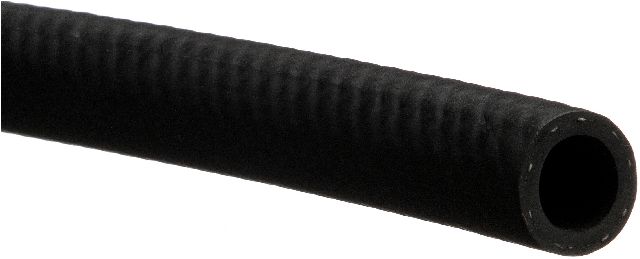
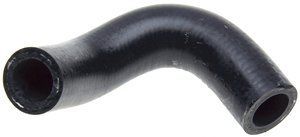
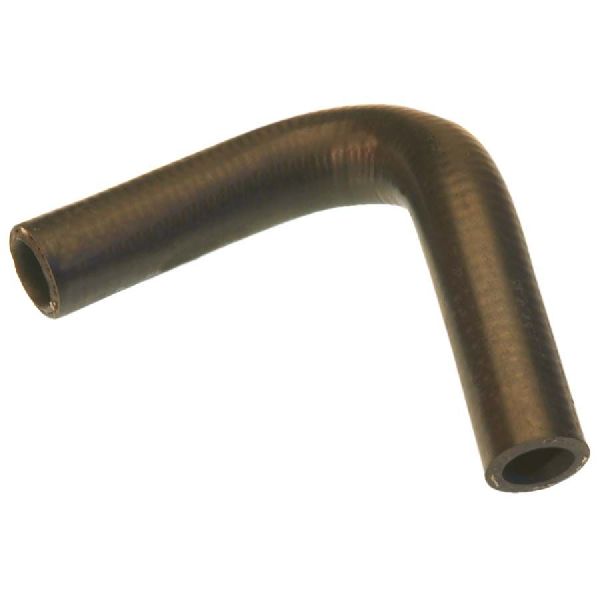
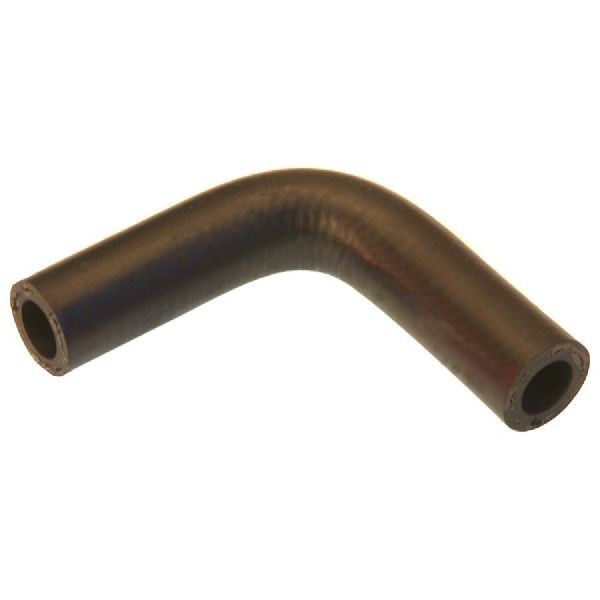
Heater hoses for the 2000-2005 Subaru Outback are typically molded rubber hoses made of EPDM to resist heat and chemical degradation. They connect the engine's cooling system to the heater core at the firewall. There are typically two main hoses: an inlet and an outlet.
We Have This Part in Stock

The information in this article is provided for general reference and educational purposes only. Vehicle specifications, procedures, and part compatibility can vary by production date, trim level, and region. Always consult your vehicle's factory service manual and verify part numbers before purchasing or performing repairs. Safety-critical components such as airbags, seat belts, and braking systems should be installed by a qualified professional.
- Subaru Outback: