

A Guide to Replacing Disc Brake Rotors on Your 2000-2005 Toyota Celica
Avoid buying the wrong parts by understanding the critical differences between Celica GT and GT-S brakes.
- You MUST confirm if your Celica is a GT or GT-S model before buying rotors; the parts are different sizes.
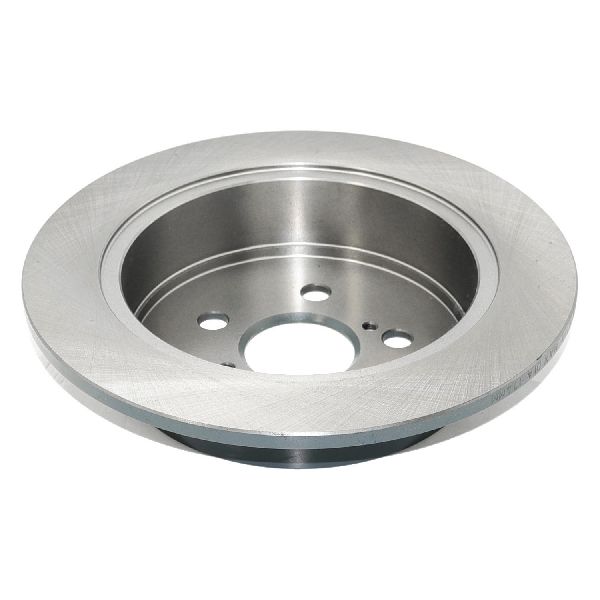
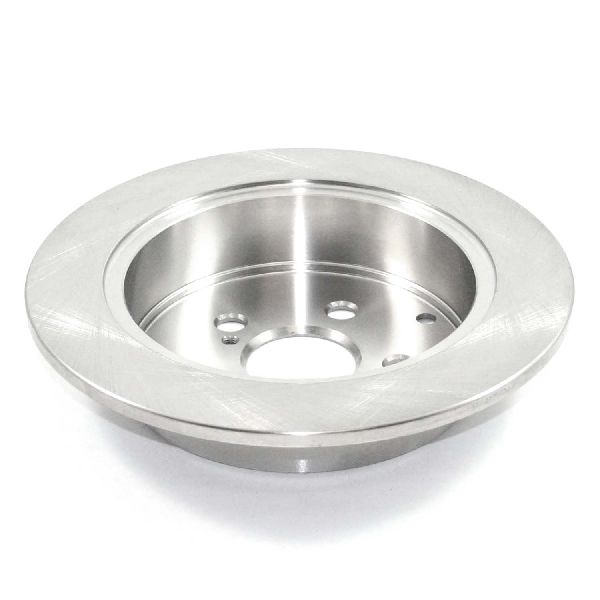
- Celica GT models have rear drum brakes and do not use rear rotors.
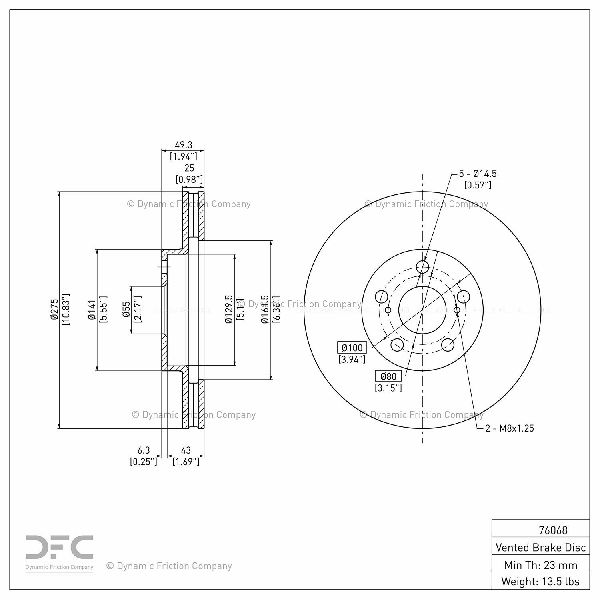
- To be 100% sure, measure your front rotors. They will be either 255mm (GT) or 275mm (GT-S).
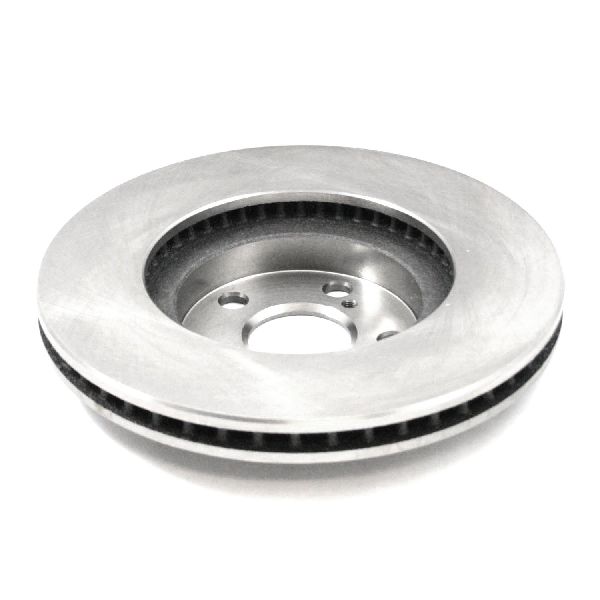
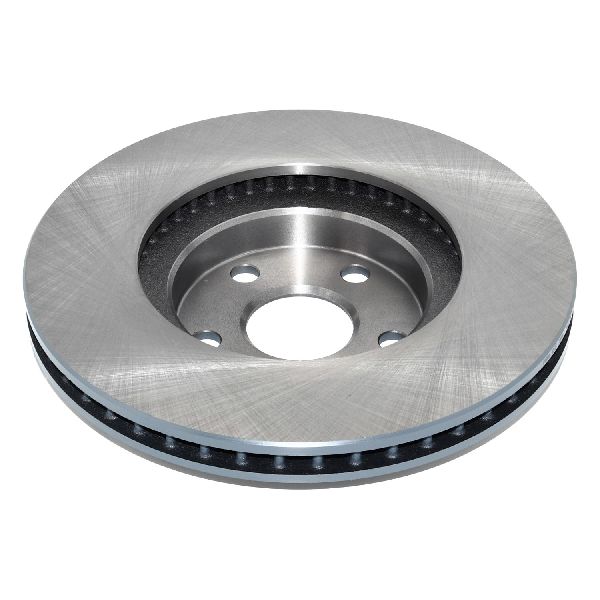
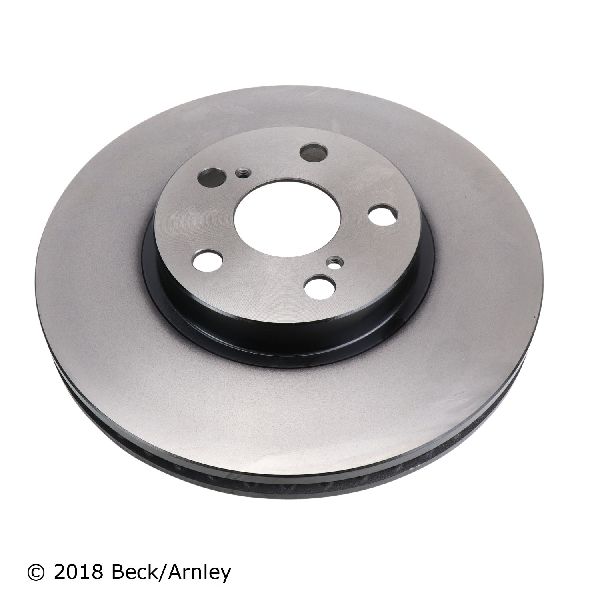
- Choosing aftermarket rotors with a protective coating will prevent rust on the hub for a cleaner look.
Symptoms of a Failing Brake Rotor
Worn or damaged brake rotors will give you clear warning signs. Ignoring them can lead to longer stopping distances and more expensive repairs. Look out for these symptoms:
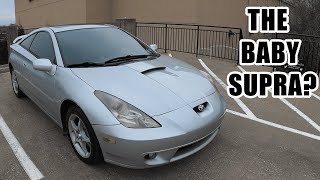
- Pulsating Brake Pedal: If you feel a pulsing or vibrating sensation in the brake pedal, especially during moderate to hard braking, it's often caused by unevenly worn rotors. 🎬 Watch: A visual guide to identifying warped rotor symptoms.
- Steering Wheel Vibration: Along with a pulsating pedal, you may feel the steering wheel shake back and forth when you brake. This is most common when the front rotors are the problem.
- Grinding or Squealing Noises: A metallic grinding sound means your brake pads are likely worn down completely, and metal is grinding against metal. Loud squealing can also indicate a problem with the rotors or related hardware.
- Visible Damage: A visual inspection can reveal deep grooves, scoring, or a pronounced "lip" on the outer edge of the rotor. These are signs the rotor is worn and needs replacement.
CRITICAL: Celica GT vs. GT-S Brake Differences
Before you buy, you must know which Celica model you have. The GT and GT-S models from 2000-2005 used different brake systems, and the parts are not interchangeable. This is the most common ordering mistake.
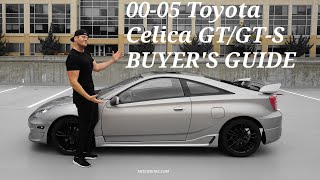
🎬 See this buyer's guide to distinguish GT and GT-S models.- Celica GT-S: This model has larger, 275mm diameter front brake rotors and 269mm rear disc brakes.
- Celica GT: This model typically uses smaller, 255mm diameter front brake rotors. Crucially, the GT model has rear drum brakes, not disc brakes, so it does not use rear rotors.
Pro Tip: Many auto parts stores default to the larger 275mm GT-S rotors. If you have a GT, double-check the part specifications or measure your old rotors before ordering to ensure you get the correct 255mm size.
Choosing the Right Aftermarket Rotors
Aftermarket rotors offer a wide range of options that often meet or exceed original equipment (OEM) quality. They can be grouped into three main tiers for your Celica.
Tier 1: Economy / Daily Driver
These are basic, no-frills rotors perfect for drivers on a budget whose main goal is to restore safe, reliable braking for everyday commuting. They are functionally equivalent to the original parts but may lack features like protective coatings.
- Brands: Pronto, Dynamic Friction, Centric (C-Tek line), Powerstop (basic kits).
- Best For: Restoring standard brake function at the lowest cost.
- Downside: These are often uncoated, meaning the hub (hat) and cooling vanes can develop surface rust quickly, which is a cosmetic issue.
Tier 2: Premium Daily Driver (OEM-Quality)
This is the sweet spot for most owners. These rotors offer OEM-level quality and often include a corrosion-resistant coating on the hat and vanes. This coating keeps the rotors looking clean behind your wheels and prevents rust buildup.
- Brands: Raybestos (Element3/Professional Grade), Bosch, ACDelco, Beck Arnley, Bendix, Centric (Premium line).
- Best For: A long-lasting, quiet, OEM-style replacement with improved aesthetics.
- Pro-Tip: The coating (usually black or grey) on the rotor hub is worth the small price increase to prevent the rusty look common on uncoated rotors.
Tier 3: Performance / Enthusiast
For the Celica owner who enjoys spirited driving or wants a more aggressive look, performance rotors are a popular upgrade. They are designed to improve heat and gas dissipation for better performance under heavy use.
- Brands: Brembo, EBC Brakes, StopTech, Hawk, Powerstop (Drilled & Slotted kits).
- Types:
- Slotted Rotors: Slots on the rotor surface help wipe away gas and debris from the brake pad, improving initial bite. They are a durable performance upgrade.
- Drilled Rotors: Cross-drilled holes also help with cooling but can be prone to developing small stress cracks under very aggressive track use. For a daily-driven Celica, this is mostly an aesthetic choice.
- Best For: Enthusiasts seeking improved braking feel, performance, and appearance.
| Rotor Type | Estimated Cost (Parts Only) |
|---|---|
| Economy Aftermarket | $70 - $120 |
| Premium Coated Aftermarket | $100 - $180 |
| Performance (Slotted/Drilled) | $150 - $400+ |
| New OEM (Dealer) | $160 - $300 |
Frequently Asked Questions (FAQ)
What's the difference between GT and GT-S rotors?
The GT-S uses larger 275mm front rotors and has rear disc brakes. The GT model typically uses smaller 255mm front rotors and has rear drum brakes, meaning it has no rear rotors at all. Always verify your model before purchasing.
Should I always replace my brake pads and rotors together?
Yes. It is highly recommended. Installing new pads on old, worn rotors can cause noise and uneven wear. Likewise, putting old pads on new rotors will transfer the old wear pattern and can quickly ruin your new rotors. For best results, always replace them as a set.
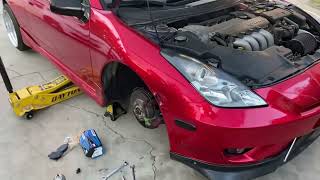
🎬 Watch: Step-by-step walkthrough for replacing Celica pads and rotors.Do I need drilled or slotted rotors for my Celica?
For most daily driving, you do not need them. A quality blank (smooth) rotor is more than sufficient. Slotted rotors can offer a slight performance benefit in wet conditions or during spirited driving. Drilled rotors are mostly for appearance on a street car, and some forum users note they can be a gamble regarding long-term durability.
Why are my new rotors rusting?
If the non-contact surfaces of your rotor (the center hub and inside the vanes) are rusting, it means you purchased uncoated rotors. The braking surface itself will always show some light surface rust after being exposed to moisture, but this is wiped away the first time you brake. To prevent rust on the hub, choose rotors with a premium protective coating.
I heard about a brake recall for the 2000 Celica. Was it for the rotors?
No. The recall (NHTSA ID: 04V455000) was for the brake master cylinder on certain 2000 Celica models. It was found that corrosion could cause a fluid leak or allow air into the system, increasing stopping distance. This issue is unrelated to the brake rotors themselves.
Helpful Videos
Technical Specifications
OEM Part Numbers: 43512-20380 43512-20711
Bolt Pattern: 5x100 Front Rotor Diameters: - GT Model: 255mm (approx. 10.04 in) - GT-S Model: 275mm (approx. 10.83 in) Rear Rotor Diameter: - GT Model: N/A (Uses Drum Brakes) - GT-S Model: 269mm (approx. 10.59 in)
We Have This Part in Stock

The information in this article is provided for general reference and educational purposes only. Vehicle specifications, procedures, and part compatibility can vary by production date, trim level, and region. Always consult your vehicle's factory service manual and verify part numbers before purchasing or performing repairs. Safety-critical components such as airbags, seat belts, and braking systems should be installed by a qualified professional.
- Toyota Celica:
- 🎬 Helpful Videos
- 🛍️ Shop This Part
- Symptoms of a Failing Brake Rotor
- CRITICAL: Celica GT vs. GT-S Brake Differences
- Choosing the Right Aftermarket Rotors
- Tier 1: Economy / Daily Driver
- Tier 2: Premium Daily Driver (OEM-Quality)
- Tier 3: Performance / Enthusiast
- Frequently Asked Questions (FAQ)
- 🎟️ Get 5% Off