

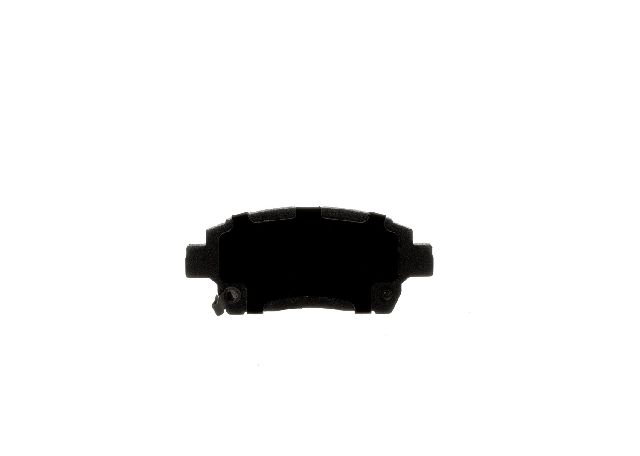
Choosing the Right Front Brake Pads for Your 2000-2005 Toyota Echo
Stop the squeal and restore your Echo's braking power by selecting the best aftermarket pads for your needs.
- For most 2000-2005 Toyota Echo owners, a premium ceramic brake pad from a brand like Akebono, Bosch, or Wagner offers the best mix of quiet performance, low dust, and value.
- Replacing front brake pads is a straightforward DIY job on the Echo, taking about 1-2 hours with basic tools.
- Always consider replacing your brake rotors with your pads. New rotors are affordable for the Echo and guarantee the best performance and longevity from your new pads.
- No major recalls exist for the brake pads themselves, but be aware of past recalls on the master cylinder and brake booster for certain 2000 model year vehicles.
Signs of Failing Brake Pads on a Toyota Echo
Your Echo will usually give you clear warnings when the front brake pads are getting low. Ignoring these signs can lead to more expensive repairs, like damage to the brake rotors or calipers.
- Squealing or Screeching Noises: The most common sign is a high-pitched squeal when you apply the brakes. This sound comes from a small metal tab called a wear indicator, which is designed to contact the brake rotor and alert you that the pads are thin.
- Grinding Sounds: If you hear a harsh grinding noise, it means the brake pads are completely worn away. This is a critical situation where metal is grinding against metal, severely reducing your stopping power and damaging the rotors.
- Reduced Stopping Power: If your car takes longer to stop than it used to, or the brake pedal feels soft and spongy, the pads may be worn out.
- Vehicle Pulling to One Side: When you brake, if the car pulls to the left or right, it could mean the brake pads are worn unevenly or there's an issue with a brake caliper.
Known Issues and Recalls
While there are no specific recalls for the brake pads on the 2000-2005 Toyota Echo, there were a few related service campaigns. A recall in 2004 (NHTSA ID: 04V455000) addressed a potential master cylinder issue on some 2000 models that could increase stopping distance. Another recall for 2000 models (NHTSA ID: 01V242000) involved replacing the brake booster and front pads on cars with automatic transmissions due to insufficient vacuum in certain cold-weather conditions. A Technical Service Bulletin (TSB) also noted that some Toyota vehicles using specific maintenance-care pads could develop a groan or squeak. While these issues are old, they highlight the importance of a healthy brake system.
Choosing the Right Aftermarket Brake Pads
For a Toyota Echo, you don't need to buy expensive original equipment (OEM) parts from the dealer to get great performance. Many aftermarket brands offer excellent quality, often with improvements over the original pads, for a better price. Aftermarket pads come in different materials, mainly ceramic and semi-metallic.
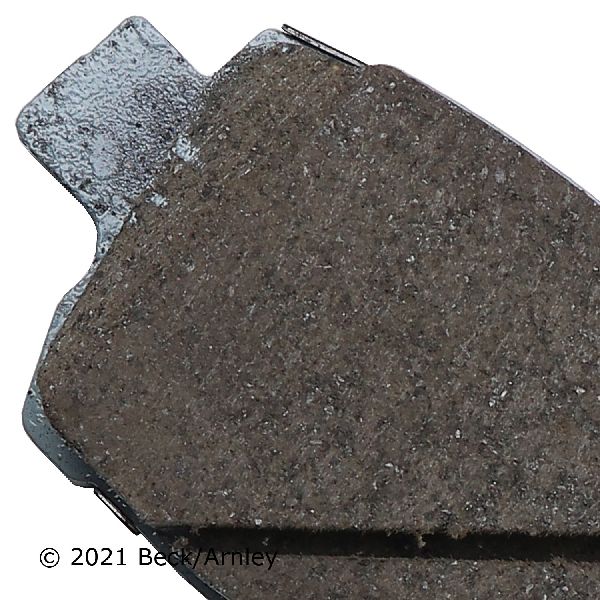
- Ceramic Pads: These are a great upgrade for a daily-driven Echo. They are known for being quiet, producing very little brake dust (which keeps your wheels cleaner), and offering smooth, consistent stopping power.
- Semi-Metallic Pads: These pads offer strong performance and are good at managing heat, but they can be noisier and create more dust than ceramic pads.
Here’s a breakdown of reliable aftermarket brands to help you choose:
Brand Tiers for Toyota Echo
Tier 1: Premium Daily Driver (Best Balance)
These brands provide OEM-or-better quality, focusing on quiet operation and low dust. They are ideal for the vast majority of Echo owners.
- Akebono: Often an OEM supplier for Toyota, Akebono pads are highly recommended by mechanics and owners for their quiet, clean, and reliable performance. They are considered a top choice for a factory-like feel.
- Advics: Another OEM supplier for Toyota, providing pads that meet the original specifications for performance and longevity.
- Bosch: Bosch QuietCast and Blue lines are excellent choices, known for their quality construction and noise-reducing features.
- Wagner OEX: These premium pads are well-regarded for their durability and innovative design that helps with quiet, consistent braking.
Tier 2: Quality Daily Driver (Great Value)
These brands offer a solid combination of performance and affordability, making them a smart choice for budget-conscious drivers who still want reliable brakes.
- Raybestos: The Element3 and EHT lines are praised for good stopping power and quality construction.
- Centric: Offers a wide range of pads, with their Posi-Quiet and C-TEK lines providing dependable, low-noise performance.
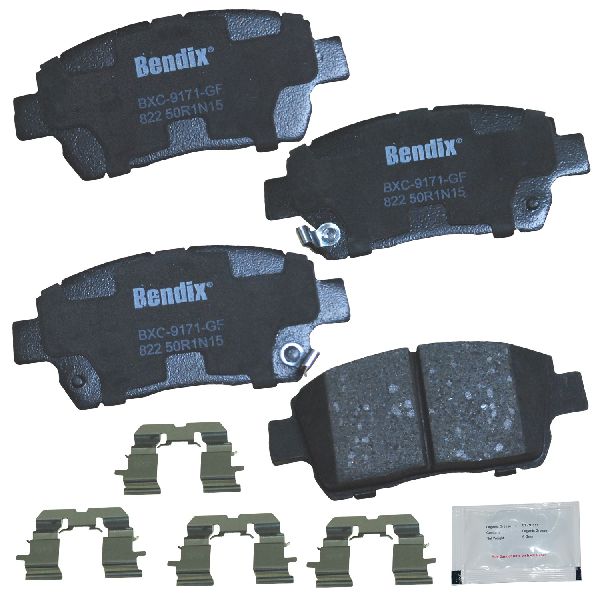
- Bendix: A long-standing brand that provides reliable, quality brake pads suitable for everyday driving.
Tier 3: Performance / Heavy Duty (For Spirited Driving)
These are for Echo owners who may have modified their car or simply want more aggressive stopping power. This level of performance is generally not necessary for a standard Echo and may come with more noise and dust.
- Hawk Performance: Offers pads with a high-friction compound for significantly increased stopping power.
- EBC Brakes: Known for performance applications, EBC offers different compounds like their YellowStuff pads for aggressive street use.
- Powerstop: Their Z23 and Z17 kits often include drilled and slotted rotors for improved heat dissipation and braking performance.
Pro Tip: Don't Forget the Hardware
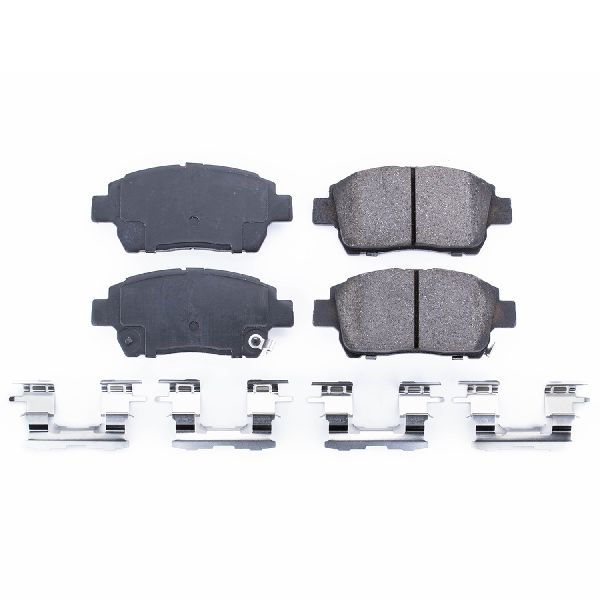
When replacing your brake pads, it's also a good idea to replace the anti-rattle clips and other hardware. Many premium pad sets include new hardware in the box. Using new clips ensures the pads move freely and helps prevent squealing and uneven wear. Also, cleaning and lubricating the caliper slide pins is a critical step for proper brake function.
Cost of Replacing Toyota Echo Brake Pads
| Part/Service | Estimated Cost |
|---|---|
| New Aftermarket Brake Pad Set | $25 - $170 |
| New OEM Brake Pad Set | $75 - $130 |
| Shop Labor for Pad Replacement | $100 - $200 |
| Total (DIY) | $25 - $170 |
| Total (Professional Installation) | $125 - $370 |
Note: Costs are estimates and can vary based on location and parts supplier. Many shops recommend replacing or resurfacing brake rotors at the same time, which will increase the total cost.
Frequently Asked Questions
Should I replace my rotors at the same time as my pads?
It's highly recommended. If your rotors are thin, warped (causing a pulsing sensation when you brake), or have deep grooves, they must be replaced. Installing new pads on old, worn rotors can cause noise, reduce performance, and cause the new pads to wear out faster. For a car like the Echo, new rotors are inexpensive and ensure the best performance.
What's the difference between ceramic and semi-metallic pads?
Ceramic pads are made from dense ceramic materials and are prized for being quiet and producing very little dust. Semi-metallic pads contain metal fibers, which help dissipate heat and provide aggressive stopping power, but they tend to be noisier and dustier. For a daily driver Echo, ceramic pads are usually the best all-around choice.
Do I need to "bed-in" my new brake pads?
Yes. Bedding-in is the process of transferring a thin, even layer of friction material from the new pads onto the rotors. This helps them mate properly for smooth, quiet, and effective braking. The process usually involves a series of controlled stops from moderate speeds. Follow the manufacturer's specific instructions included with your new pads.
Why are my new brakes squeaking?
New brakes can squeak for a few reasons. It could be that the pads need to be bedded-in properly. Sometimes, cheaper pads use friction materials that are naturally noisy. Most often, however, noise is caused by vibration. Ensure that all anti-rattle clips and shims were installed correctly and that caliper slide pins were lubricated.
Helpful Videos

Technical Specifications
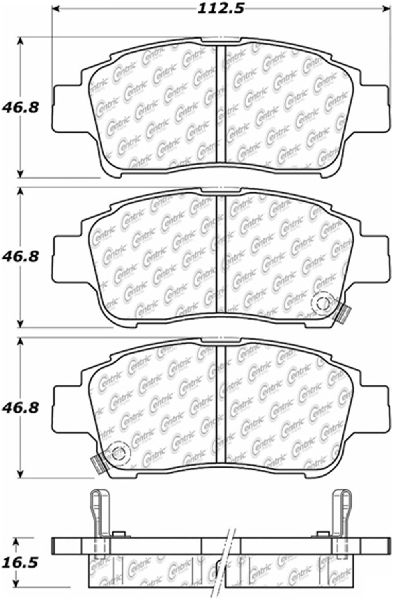
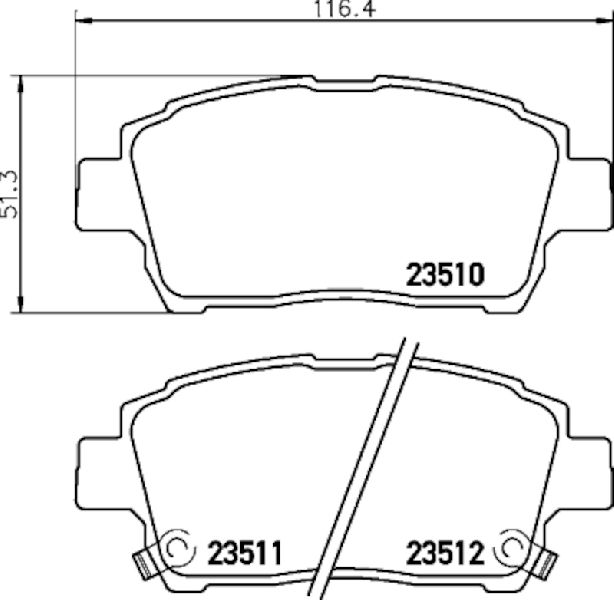
OEM Part Numbers: 04465-17140 04465-52031 04465-52060 04465-AZ112 04465-52140
The 2000-2005 Toyota Echo uses a front disc, rear drum brake system. This guide covers the front disc brake pads only.
We Have This Part in Stock

The information in this article is provided for general reference and educational purposes only. Vehicle specifications, procedures, and part compatibility can vary by production date, trim level, and region. Always consult your vehicle's factory service manual and verify part numbers before purchasing or performing repairs. Safety-critical components such as airbags, seat belts, and braking systems should be installed by a qualified professional.
- Toyota Echo: