

Toyota Echo Electric Fuel Pump: A Guide for 2000-2005 Models
Understand the signs of a failing fuel pump in your Echo and learn how to choose the right replacement part.
- The fuel pump is easily accessible under the rear seat; you do not need to drop the gas tank.
- Symptoms often start with a whining noise from the tank area and progress to hard starting or stalling.
- The original brand is Denso; choosing Denso, Bosch, or Delphi for a replacement is highly recommended for reliability.
- Always replace the fuel strainer (filter) when installing a new pump to prevent premature failure.
Is Your Toyota Echo's Fuel Pump Failing?

The fuel pump is a critical part of your Echo's engine system, but like any electric motor, it can wear out over time. When it starts to fail, it usually gives you some warning signs. Ignoring them can leave you stranded. Being aware of these symptoms can help you address the problem before it becomes a breakdown.
Common Failure Symptoms:
- Whining Noise from Rear Seat: One of the most common first signs is a noticeable whining or humming sound coming from the gas tank area, which is located under the rear seat.
- Hard Starting: Your Echo may take longer than usual to start, requiring extra cranks. This happens when a weak pump can't build up enough fuel pressure quickly.
- Engine Hesitation or Sputtering: While driving, especially when accelerating or going up a hill, the engine might sputter or lose power. This indicates the pump is struggling to keep up with the engine's fuel demand.
- Stalling: The engine may stall unexpectedly at a stoplight or even while driving. This can be caused by an intermittent drop in fuel pressure.
- Check Engine Light: Low fuel pressure can cause a lean air-fuel mixture, which may trigger the Check Engine Light with code P0171.
Known Issues, Recalls, or TSBs
While Toyota has issued numerous recalls for fuel pumps in newer vehicles, extensive searches of the NHTSA database show no specific fuel pump recalls or Technical Service Bulletins (TSBs) for the 2000-2005 Toyota Echo. The widely publicized Denso fuel pump issues affect much later model years.
Choosing the Right Aftermarket Fuel Pump

When replacing the fuel pump, you have a choice between OEM and various aftermarket brands. For a part this critical, quality matters more than price. The labor to replace a cheap pump that fails early is the same as for a quality one.
Brand Quality Tiers
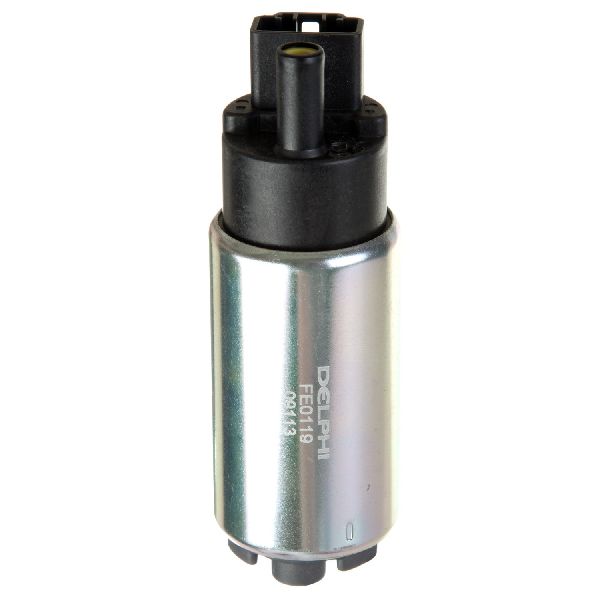
- Premium (OEM & Equivalent): The original factory pump in your Echo was made by Denso. Buying a Denso-branded replacement is the surest bet for original quality and fit. Brands like Bosch and Delphi are also widely considered top-tier, OEM-equivalent suppliers known for reliability.
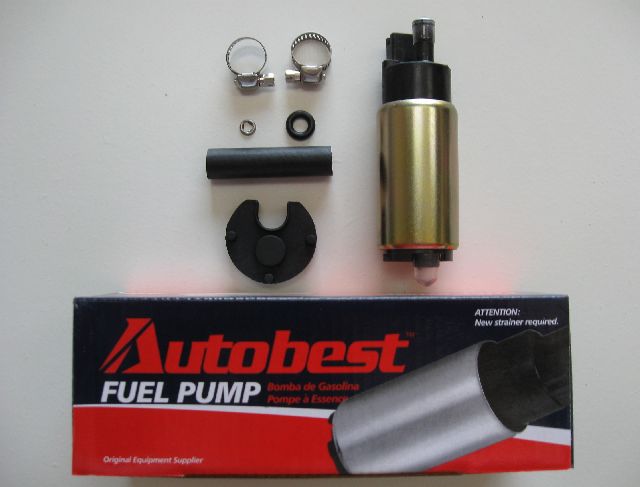
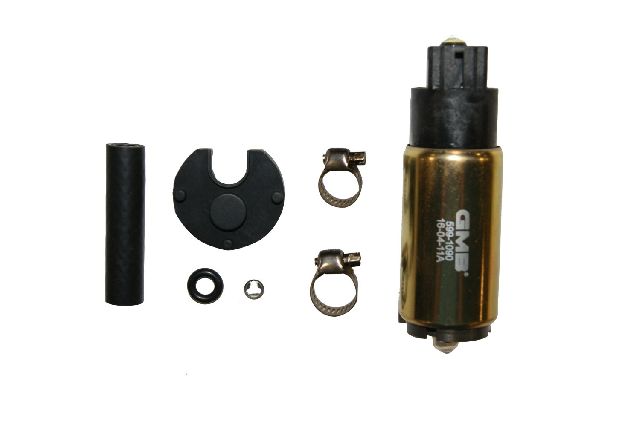
- Value Tier: Brands like GMB and AutoBest offer a balance of quality and cost. GMB, for example, highlights its use of durable materials in its pump assemblies. These can be a good option if a premium brand is out of budget.
- Economy Tier: Cheaper, often unbranded, pumps have a reputation for high failure rates. While the initial cost is low, you risk having to do the job again soon, potentially leaving you stranded. It is generally recommended to avoid the lowest-priced options for this part.
Pro Tip: Replace the Assembly or Just the Pump?
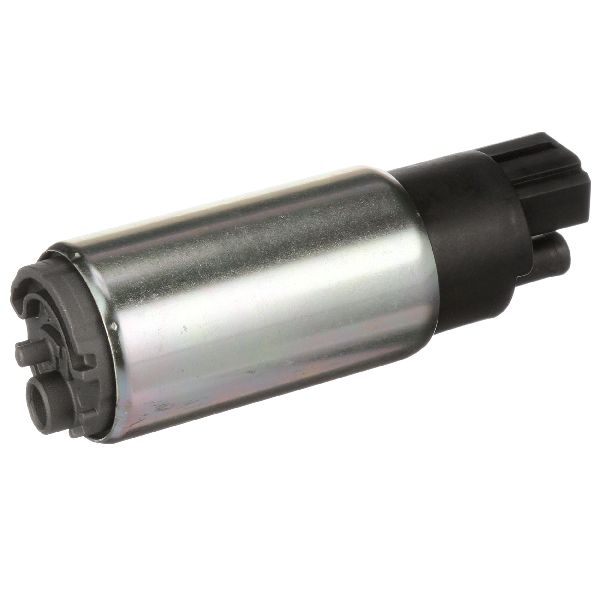
You can buy just the small electric pump motor or the entire fuel pump assembly (the plastic housing, sender, and pump). For the Toyota Echo, the pump motor is a separate piece within the larger assembly. While replacing just the motor is cheaper, replacing the whole assembly is often easier and renews all related components, including the fuel level sender and strainer.
| Part Type | Estimated Cost |
|---|---|
| New OEM (Denso Assembly) | $200 - $450 |
| New Aftermarket (Assembly) | $35 - $182 |
| Shop Labor | $150 - $300 |
Frequently Asked Questions (FAQ)

Is it hard to replace the fuel pump on a 2000-2005 Toyota Echo?
No, it's easier than on many cars. The Toyota Echo has a service access panel under the rear seat cushion, so you do not need to drop the entire gas tank to access the pump. This makes it a very feasible DIY job for someone with basic tools.
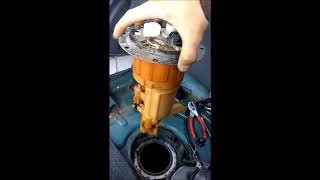
🎬 Watch this step-by-step guide on changing your Echo's fuel pump.Do I need to drop the gas tank?
No. You can access the fuel pump assembly by simply removing the rear seat bottom and opening a metal access plate on the vehicle floor.
🎬 See how to access the fuel pump under the rear seat.Should I replace the fuel filter at the same time?
Yes. The fuel pump has a pre-filter, often called a strainer, attached to its inlet. Most new fuel pump kits include a new strainer. It is critical to replace it to protect the new pump from any debris in the tank.
What is the original (OEM) fuel pump brand for my Echo?
The original equipment manufacturer for the fuel pump is Denso. Choosing a Denso replacement ensures an exact fit and original performance.
Helpful Videos
Technical Specifications
OEM Part Numbers: 23221-21060 23221-21030
In-tank electric fuel pump assembly, accessible via service panel under rear seat.
We Have This Part in Stock

The information in this article is provided for general reference and educational purposes only. Vehicle specifications, procedures, and part compatibility can vary by production date, trim level, and region. Always consult your vehicle's factory service manual and verify part numbers before purchasing or performing repairs. Safety-critical components such as airbags, seat belts, and braking systems should be installed by a qualified professional.
- Toyota Echo: