

Toyota Echo Fuel Injector Guide: 2000-2005
A no-nonsense guide to diagnosing and replacing the fuel injectors in your 2000-2005 Toyota Echo.
- Symptoms often include a rough idle, misfires (P0301-P0304 codes), and poor gas mileage.
- A strong fuel smell is a critical warning of a leak and a fire hazard; do not drive the vehicle.
- For reliable, long-term performance, choose quality aftermarket brands like Standard (SMP) or Beck Arnley.
- Replacing all four injectors at once is recommended to ensure balanced engine performance and avoid future labor costs.
Is Your Echo's Fuel Injector Failing?

Fuel injectors are built to last a long time, often over 100,000 miles, but they don't last forever. Contaminants in gasoline or simple wear and tear can cause them to fail. When an injector starts to go bad, it can get clogged and deliver too little fuel, or it can leak or get stuck open and deliver too much. Both situations will cause noticeable problems with how your car drives.
Symptoms of a Bad Fuel Injector

A failing fuel injector on a Toyota Echo will usually make itself known through poor engine performance. Here are the most common signs:
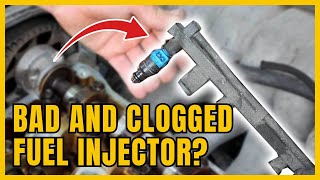
🎬 Watch: 11 symptoms of bad injectors and how to diagnose them.- Rough Idle: The engine may shake or vibrate more than usual when you're stopped at a light.
- Engine Misfires: You might feel a hesitation, stumble, or jerking sensation as you drive. This is often accompanied by a flashing Check Engine Light.
- Poor Fuel Economy: If you're filling up your gas tank more often than you used to, a leaky injector could be the cause.
- Check Engine Light: Misfire codes like P0301 (for cylinder 1) or injector circuit codes like P0201 are common.
- Hard Starting: The engine may take longer to crank before it starts.
Serious Symptoms: Do Not Ignore
If you smell raw gasoline around your car, an injector could be leaking externally, which is a fire hazard. Do not start the engine. A severely stuck-open injector can dump so much fuel that it washes past the piston rings and mixes with your engine oil, causing serious engine damage. One owner reported this exact issue on a 2001 Echo, resulting in a crankcase full of a gas-oil mixture.
Choosing the Right Aftermarket Injector

For an older, economical car like the Echo, aftermarket parts are a smart choice. However, quality varies significantly. The original injectors were likely made by Denso or Aisin, which are top-tier brands. When choosing an aftermarket replacement, it's important to balance cost and quality.
Brand Quality Tiers for Toyota Echo
- Better Tier (Recommended): Brands like Standard Ignition (SMP) and Beck Arnley are well-regarded in the industry. Standard is known for rigorous testing that ensures their injectors perform like the original parts. Beck Arnley specializes in import parts and sometimes even re-packages the original OEM part, making them a very reliable choice.
- Economy Tier (Use with Caution): There are many low-cost injector sets available online. While the price is tempting, their quality can be inconsistent.
- Avoid: Based on owner experiences, remanufactured injectors from brands like GBR Fuel Injection (GB Remanufacturing) should be avoided. One detailed report showed two separate GBR injectors failing and sticking open on a Toyota, leading to significant engine problems and additional repairs.
While you can replace just the one failing injector, your Echo's injectors have all seen the same mileage and fuel. If one has failed, the others may not be far behind. Replacing all four at once can be more cost-effective in the long run by saving on future labor and ensuring all cylinders get a balanced fuel delivery. 🎬 See this quick 5-minute walkthrough of the Echo injector replacement.
Cost of Replacing a Toyota Echo Fuel Injector
Here is a general cost estimate for replacing fuel injectors on a 2000-2005 Toyota Echo. Prices can vary based on your location and choice of parts.
| Part/Service | Estimated Cost (Single Injector) | Notes |
|---|---|---|
| New Aftermarket Injector | $56 - $117 | Price for a single part from a reputable brand. |
| New OEM Injector | $180 - $250+ | Highest quality and price, often a Denso or Aisin part. |
| Remanufactured/Used | $20 - $50 | Lower cost but carries a higher risk of premature failure. |
| Shop Labor | $120 - $200 | The job is relatively simple on the Echo's 1.5L engine. |
| Total (Shop Installed, Aftermarket) | $176 - $317 | Replacing one injector at an independent shop. |
Frequently Asked Questions

Do I need any other parts for the job?
Yes. It is critical to replace the rubber O-rings and grommets on each injector you are installing. New injectors almost always come with these included. Failure to replace old, hardened O-rings will cause fuel or vacuum leaks.
Can I clean my old injectors instead of replacing them?
While professional ultrasonic cleaning can sometimes restore a clogged injector, it cannot fix an electrical failure or a mechanically stuck injector. Given the affordable price of new aftermarket injectors for the Echo, replacement is often a more reliable and long-lasting solution.
Is this a difficult job to do myself?
For someone with basic mechanical skills and tools, this is a very manageable DIY job. The fuel rail on the 1.5L engine is accessible after removing some intake components. The key steps are safely relieving fuel pressure, carefully disconnecting lines and connectors, and ensuring the new injectors and O-rings are seated correctly.
🎬 Watch: Detailed replacement guide for the 1NZ-FE engine.Were there any recalls for the Echo's fuel injectors?
No. Searches of the NHTSA database and other recall information sources show no specific recalls or technical service bulletins (TSBs) for fuel injector failure on the 2000-2005 Toyota Echo.
Helpful Videos
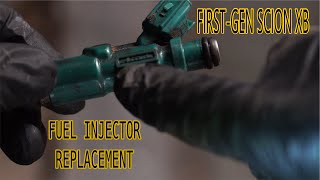
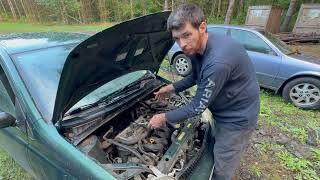
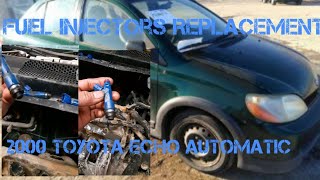
Technical Specifications
OEM Part Numbers: 23250-21020 23209-21020
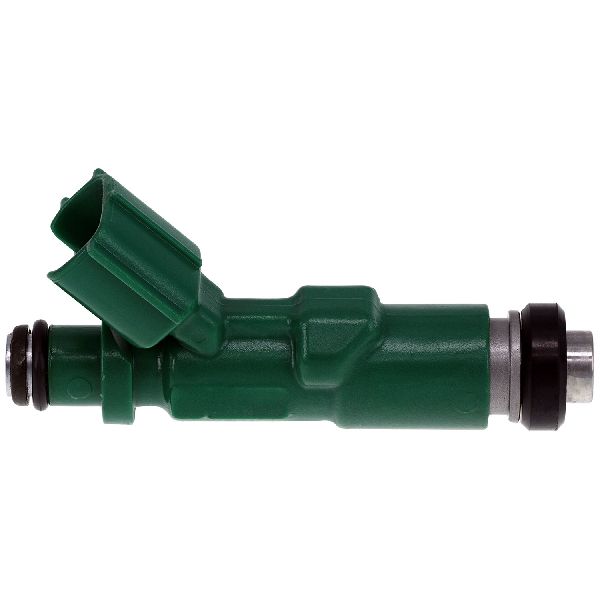
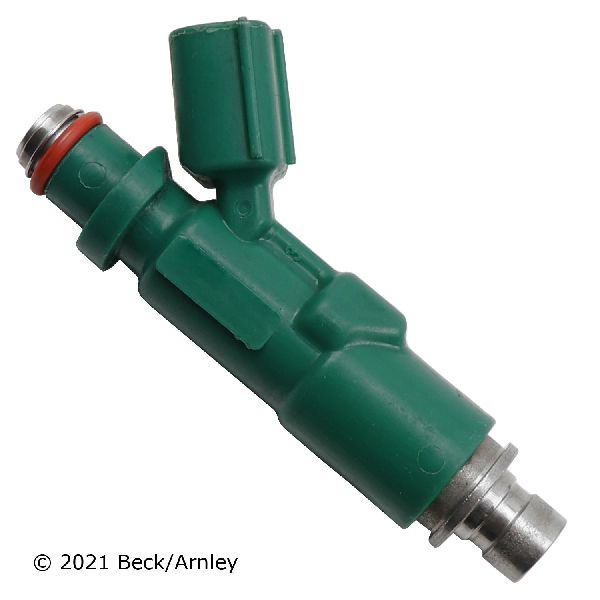
This vehicle uses four high-impedance, port-style fuel injectors on the 1.5L 1NZ-FE engine.
We Have This Part in Stock


The information in this article is provided for general reference and educational purposes only. Vehicle specifications, procedures, and part compatibility can vary by production date, trim level, and region. Always consult your vehicle's factory service manual and verify part numbers before purchasing or performing repairs. Safety-critical components such as airbags, seat belts, and braking systems should be installed by a qualified professional.
- Toyota Echo: