

A Guide to Oxygen Sensors for the 2000-2005 Toyota MR2 Spyder
Keep your MR2 Spyder's 1ZZ-FE engine running efficiently by understanding its specific oxygen sensor needs.
- Denso is the original equipment manufacturer (OEM); using their aftermarket parts is the safest choice for compatibility.
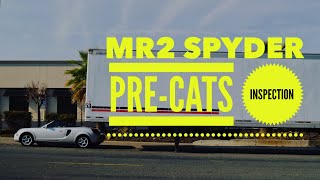
- For 2000-2002 models, always inspect the pre-catalytic converters for damage when changing the upstream O2 sensor to prevent engine failure.
- Your MR2 Spyder has two different, non-interchangeable sensors: an upstream Air/Fuel sensor and a downstream oxygen sensor.
- Always choose a 'Direct Fit' sensor with the correct plug to avoid wiring issues; Denso, NGK, and Bosch are reliable choices.
A Critical Warning for 2000-2002 MR2 Spyder Owners

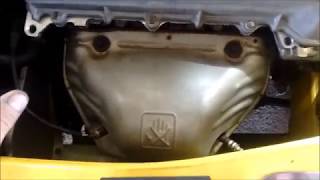
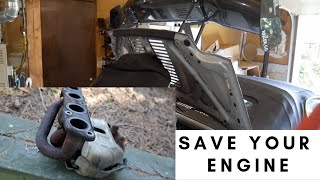
Before replacing an oxygen sensor, especially on a 2000-2002 model, you must be aware of a significant known issue: pre-catalytic converter (pre-cat) failure. The pre-cats are located inside the exhaust manifold and can degrade over time. When this happens, ceramic debris can be sucked back into the engine, causing catastrophic failure.
Symptoms of pre-cat failure, like power loss, can sometimes be mistaken for a bad oxygen sensor. A common diagnostic step is to remove the upstream oxygen sensor and visually inspect the pre-cat's 🎬 Watch: How to remove sensors and inspect your pre-cats. honeycomb structure with a flashlight. If it is damaged, broken, or missing pieces, the manifold must be replaced immediately to save your engine. A bad O2 sensor is an inconvenience; a failed pre-cat can destroy your engine.
Symptoms of a Failing Oxygen Sensor

A bad oxygen sensor won't leave you stranded, but ignoring it can lead to poor performance and costly damage to your catalytic converter. Watch for these signs:
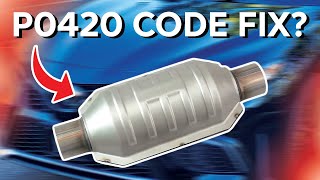
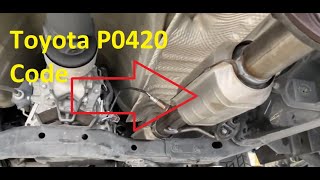
- Check Engine Light: This is the most common symptom. Codes like P0135, P0141, or P0420 often point 🎬 Watch: Understanding causes and fixes for the P0420 code. to an O2 sensor issue.
- Poor Fuel Economy: A bad upstream sensor can cause the engine to run rich, wasting fuel.
- Rough Idle or Hesitation: The engine may run poorly, hesitate during acceleration, or idle unevenly.
- Failed Emissions Test: The car will not pass an emissions test with a faulty oxygen sensor.
Choosing the Right Aftermarket Oxygen Sensor

Not all aftermarket sensors are created equal. For a sensitive engine like the 1ZZ-FE, choosing a quality part is important for proper function and avoiding future headaches.
Tier 1: OEM-Equivalent Brands
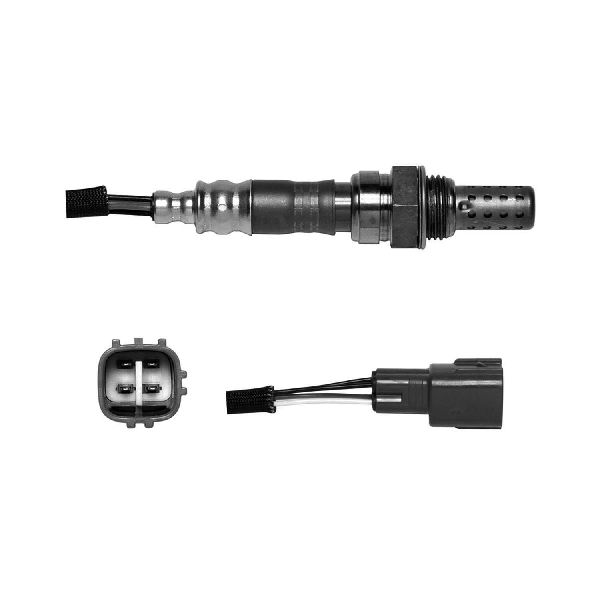
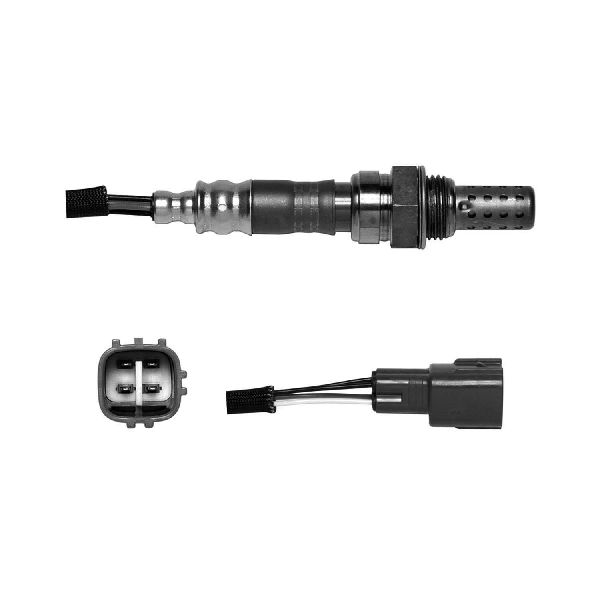
Denso is the Original Equipment Manufacturer (OEM) for Toyota, meaning they made the sensor that came with your car from the factory. Choosing a Denso sensor is the safest bet for a perfect fit, correct electrical connector, and flawless performance. NGK (also sold as NTK) is another top-tier Japanese brand with a strong reputation for quality and is an excellent alternative to Denso.
Tier 2: Quality Aftermarket Brands
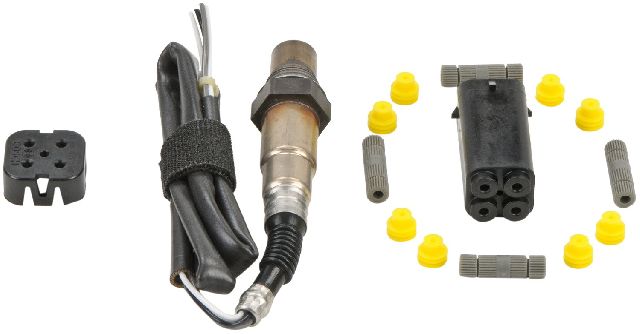
Bosch is a highly reputable brand that invented the modern oxygen sensor. They offer "Direct Fit" sensors that come with the correct connector for your MR2 Spyder, requiring no cutting or splicing. These are a reliable choice. Avoid "Universal" sensors which require you to splice wires, as this can introduce a point of failure.
Tier 3: Budget Brands
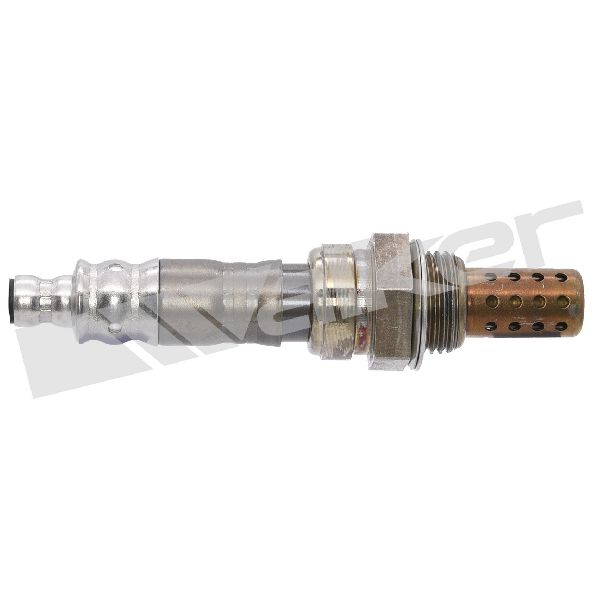
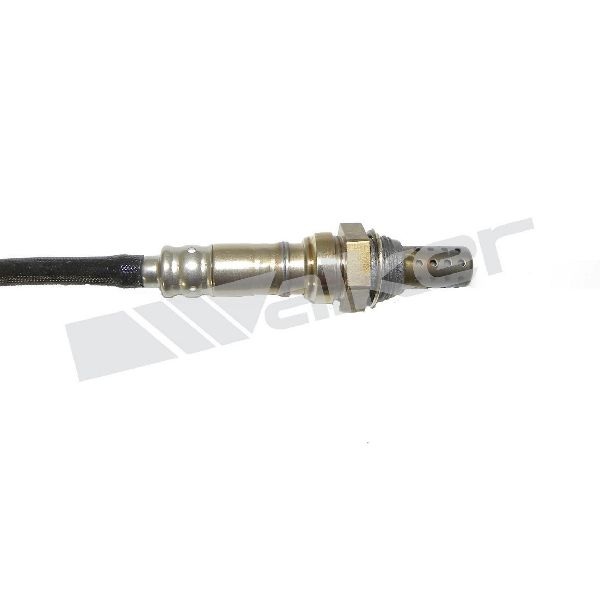
Brands like Walker Products and DriveWire offer more affordable options. While they can get your car back on the road, they may not have the same precise calibration or longevity as the OEM-equivalent brands. They are a viable option if budget is the primary concern.
Cost of Replacement
| Part Type | Estimated Cost |
|---|---|
| New Aftermarket Sensor | $40 - $137 |
| New OEM Sensor | $120 - $185 |
| Shop Labor | $75 - $200 |
Frequently Asked Questions

How many oxygen sensors does my MR2 Spyder have?
Your MR2 Spyder has two sensors: one upstream (Bank 1, Sensor 1) in the exhaust manifold, and one downstream (Bank 1, Sensor 2) in the exhaust pipe after the catalytic converter. They are different parts and are not interchangeable.
What's the difference between an upstream and downstream sensor?
The upstream sensor (Air/Fuel Ratio Sensor) is the most critical; it helps the computer control the fuel mixture. The downstream sensor's main job is to check if the catalytic converter is working correctly. A failure of the upstream sensor has a much bigger impact on how the car runs.
Do I need a special tool to replace an oxygen sensor?
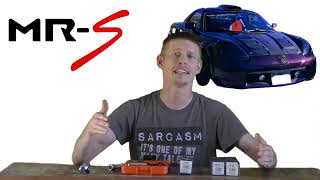
It is highly recommended. A special tool called an oxygen sensor socket, which has a slot for the wire, makes the job much easier. While a standard wrench can sometimes work, the sensors are often in tight spaces and can be seized, making the special socket invaluable.
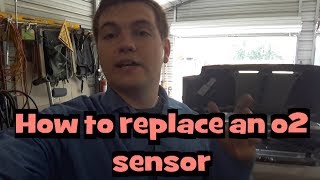
🎬 See this step-by-step walkthrough for replacing the sensor.Can I clean my old oxygen sensor instead of replacing it?
Cleaning is not a reliable or recommended repair. The sensor's internal components wear out over time, and contamination is often a symptom of this wear, not the root cause. Replacement is the only proper solution to ensure correct readings.
Helpful Videos
Technical Specifications
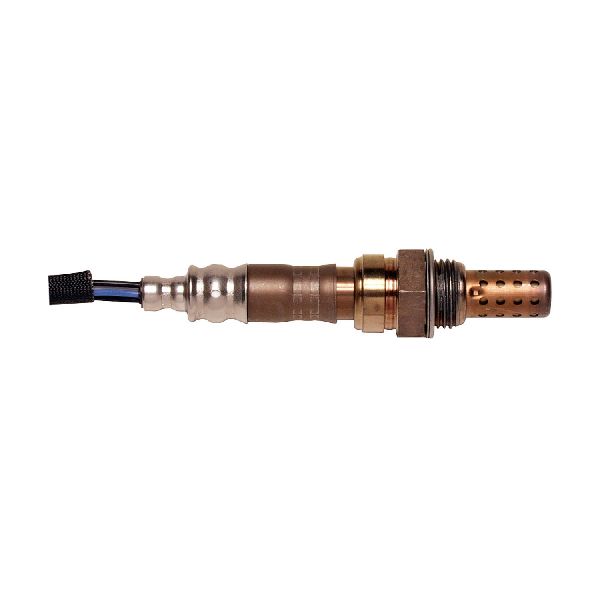
OEM Part Numbers: Upstream (Manifold): 89465-17180 Downstream (Pipe): 89465-17201 (replaces 89465-17200)
The upstream sensor is an Air/Fuel Ratio (wideband) sensor, while the downstream sensor is a standard (narrowband) Oxygen Sensor. Both are 4-wire heated sensors.
We Have This Part in Stock

The information in this article is provided for general reference and educational purposes only. Vehicle specifications, procedures, and part compatibility can vary by production date, trim level, and region. Always consult your vehicle's factory service manual and verify part numbers before purchasing or performing repairs. Safety-critical components such as airbags, seat belts, and braking systems should be installed by a qualified professional.
- Toyota MR2 Spyder:
- 🎬 Helpful Videos
- 🛍️ Shop This Part
- A Critical Warning for 2000-2002 MR2 Spyder Owners
- Symptoms of a Failing Oxygen Sensor
- Choosing the Right Aftermarket Oxygen Sensor
- Tier 1: OEM-Equivalent Brands
- Tier 2: Quality Aftermarket Brands
- Tier 3: Budget Brands
- Cost of Replacement
- Frequently Asked Questions
- 🎟️ Get 5% Off