

Chevrolet Impala Intake Manifold & Gasket Guide (2000-2006)
Solving the common coolant leaks, overheating, and performance issues specific to your 2000-2006 Impala.
- The primary failure on these engines is the intake manifold gaskets, which should be replaced with an updated metal-frame design.
- Check your oil immediately. If it looks milky or sludgy, do not drive the car as severe engine damage is imminent.
- For this repair, aftermarket parts are widely considered a superior and more permanent solution than the original flawed design.
- On 3.8L V6 engines, the plastic upper intake manifold itself can also crack and may need to be replaced along with the gaskets.
A Notorious but Fixable Problem

If you own a 2000-2006 Impala, you've likely heard about intake manifold problems. The issue is most often not the manifold itself, but the gaskets that seal it to the engine. The original factory gaskets used a plastic frame that can degrade, crack, and warp over time from heat and exposure to Dex-Cool antifreeze. This allows coolant to leak externally onto the engine or, more dangerously, internally into the engine oil. On the 3.8L V6 engine, the plastic upper intake manifold can also become brittle and crack, sometimes from an engine backfire.
Symptoms of a Failing Intake Manifold or Gasket

Catching a bad intake manifold or gasket early can save you from catastrophic engine damage. Look for these specific signs:
- Coolant Leaks: You may see puddles of orange Dex-Cool coolant under your car or notice a sweet smell after driving. The leak often occurs where the manifold meets the cylinder heads.
- Engine Overheating: A low coolant level from a leak will cause the engine to run hot or overheat, especially when idling or in stop-and-go traffic.
- Milky Engine Oil: This is a critical sign. If you check your oil dipstick and the oil looks like a chocolate milkshake, it means coolant is leaking internally and mixing with your oil. Do not drive the vehicle if you see this.
- Rough Idle and Poor Performance: A leak in the gasket can create a vacuum leak, letting unmeasured air into the engine. This throws off the air-fuel mixture and can cause a rough or surging idle, hesitation when accelerating, and general power loss.
- Check Engine Light: A vacuum leak or misfires caused by the failing gasket can trigger the check engine light. Common codes include P0171 (System Too Lean) or P0300-P0306 (Cylinder Misfire).
Known Issues, Recalls, and Service Bulletins
While there was never a direct recall for the failing intake manifold gaskets, GM did issue a Technical Service Bulletin (TSB 03-06-01-010B) for the 3.4L V6 engine, acknowledging the leak and instructing technicians to use an improved gasket design for the repair. 🎬 See this walkthrough for installing 3.4L lower manifold gaskets. Several recalls were issued for the 3.8L V6 models concerning oil dripping on the hot exhaust manifold, which could cause a fire, but this was related to the valve cover gasket, not the intake manifold.
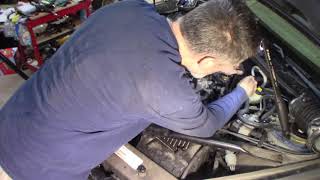
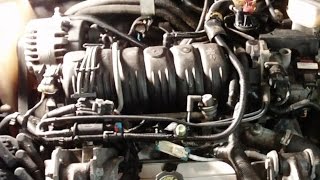
🎬 Watch: Complete 3.8L upper and lower intake manifold replacement guide.Choosing the Right Aftermarket Part

For this specific repair, an aftermarket part is often a better and more durable choice than a new-old-stock (NOS) original part. Aftermarket brands have redesigned the components to fix the original flaws.
- Gaskets: Aftermarket gasket kits, like those from Fel-Pro, feature a metal frame instead of the original plastic one. This design is much more resistant to heat and degradation, providing a permanent fix for the leaking issue.
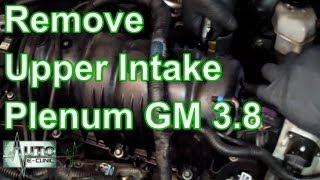
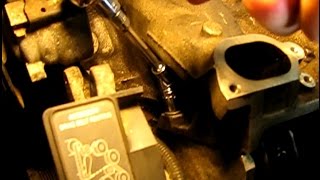
- Upper Intake Manifold (3.8L V6): Aftermarket upper manifolds, such as those from Dorman, are widely available and are a cost-effective replacement for a cracked original. 🎬 Watch: How to remove the upper intake manifold plenum. These kits often include the necessary new gaskets.
A generic "Replacement" brand part for this application typically follows these improved designs, offering a reliable repair at an excellent value.
What Else Should I Replace?
While you have the intake manifold off, it's a smart and cost-effective move to replace a few other items. Consider replacing the thermostat, the EGR valve O-rings, and the intake manifold bolts, which are often torque-to-yield and should not be reused. It's also the perfect time for an oil change and a coolant flush to remove any contaminated fluids.
Replacement Cost

The cost to replace the intake manifold or its gaskets can vary. The aftermarket part itself is affordable, but the job requires several hours of labor.
| Part/Service | Estimated Cost |
|---|---|
| New Aftermarket Upper Intake Manifold | $100 - $130 |
| New Aftermarket Gasket Set | $60 - $150 |
| Shop Labor | $265 - $400 |
| Total Professional Job | $365 - $900+ |
Frequently Asked Questions
Can I just replace the gaskets instead of the whole manifold?
Yes. If your manifold is not cracked (common on the 3.8L V6), you only need to replace the gaskets. However, you must use the updated metal-frame gasket design to prevent the problem from happening again.
Is an aftermarket part really better than the original GM part?
In this case, yes. The original GM gaskets had a design flaw with their plastic carrier. Aftermarket companies engineered a more robust solution with a metal carrier that permanently fixes the problem.
Why did my intake manifold crack or 'explode'?
On the 3.8L V6, a backfire can cause a sudden pressure spike in the plastic intake manifold, causing it to rupture or explode. This can sometimes be related to a faulty fuel pressure regulator that allows fuel to pool in the intake.
Do I have to use Dex-Cool coolant after the repair?
While the original plastic gaskets were known to be damaged by Dex-Cool, the new metal-frame gaskets are designed to be compatible with it. You can continue to use a coolant that meets the Dex-Cool specification or switch to a universal long-life coolant, but be sure to completely flush the system if you switch types.
Helpful Videos
Technical Specifications
OEM Part Numbers: 89017272 12537425
Fits 2000-2005 Chevrolet Impala with 3.8L V6 (non-supercharged) and 2000-2005 Chevrolet Impala with 3.4L V6. Note that the primary failure is often the gaskets, which are available separately or in a kit with the manifold.

The information in this article is provided for general reference and educational purposes only. Vehicle specifications, procedures, and part compatibility can vary by production date, trim level, and region. Always consult your vehicle's factory service manual and verify part numbers before purchasing or performing repairs. Safety-critical components such as airbags, seat belts, and braking systems should be installed by a qualified professional.
- Chevrolet Impala: