

Chevrolet Sonora Engine Timing Set: A Complete Guide for 2000-2006 Models
Here’s what you need to know before replacing the timing set on your Sonora’s 3.4L V6 engine.
- Your vehicle has a timing chain, not a belt, which is not a normal maintenance item.
- A rattling noise on startup is the most common sign of a worn timing chain.
- This is an interference engine; ignoring symptoms can lead to catastrophic engine failure.
- Due to the high labor cost, using a premium aftermarket brand like INA or Cloyes is highly recommended.
Understanding Your Sonora's Timing System
The 2000-2006 Chevrolet Sonora minivan platform, known as the Chevrolet Venture in the United States, uses a 3.4L V6 pushrod engine. This engine is equipped with a timing chain, not a timing belt. Chains are generally designed to last for a very long time and do not have a scheduled replacement interval like belts do. However, high mileage, poor maintenance, or issues with chain tensioners can cause the system to wear out, requiring replacement.
Signs of a Failing Engine Timing Set
A bad timing chain gives several warning signs before it fails completely. Ignoring them can lead to serious engine trouble. Listen and watch for these symptoms:
- Rattling Noise from the Engine: The most common symptom is a rattling or buzzing sound coming from the front of the engine (passenger side). This noise is often most noticeable for a few seconds on a cold startup as oil pressure builds.
- Check Engine Light: A stretched timing chain can affect camshaft and crankshaft correlation, which will be detected by the engine's computer and trigger a Check Engine Light. You may see codes related to camshaft/crankshaft position or engine misfires.
- Rough Idle and Poor Performance: As the chain stretches, the engine's timing becomes less precise. This can cause a rough idle, hesitation during acceleration, and a general lack of power.
- Engine Won't Start: In a worst-case scenario, a broken timing chain will cause the engine to stop running immediately and it will not restart. This can cause severe internal engine damage.
Is the 3.4L V6 an Interference Engine?
Yes, the GM 3.4L V6 is considered an interference engine. This means that if the timing chain breaks, the valves could stay open and be struck by the rising pistons. This results in bent valves and potentially damaged pistons, requiring a very expensive engine repair or replacement. This is why addressing timing chain symptoms early is critical.
Choosing the Right Aftermarket Timing Set
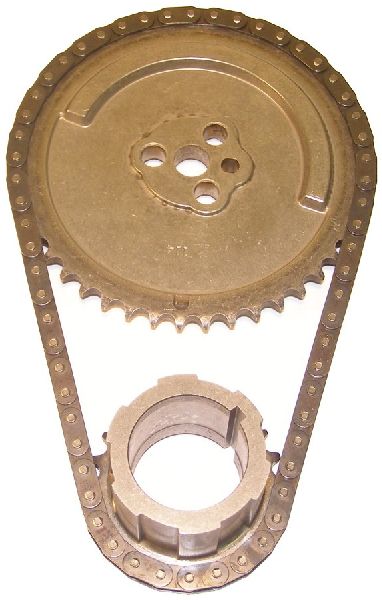
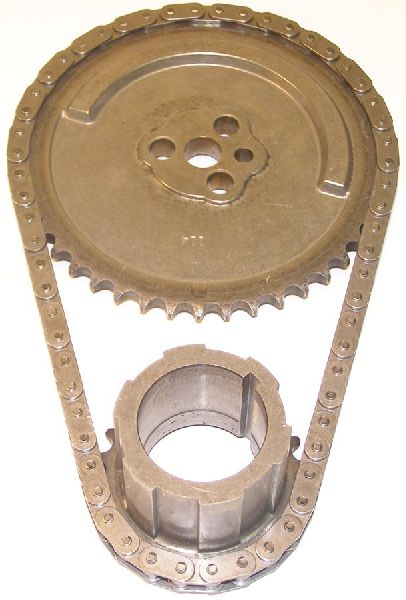
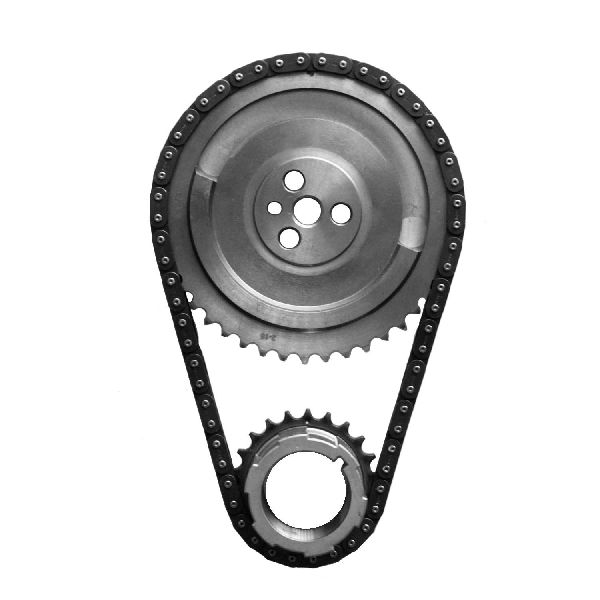
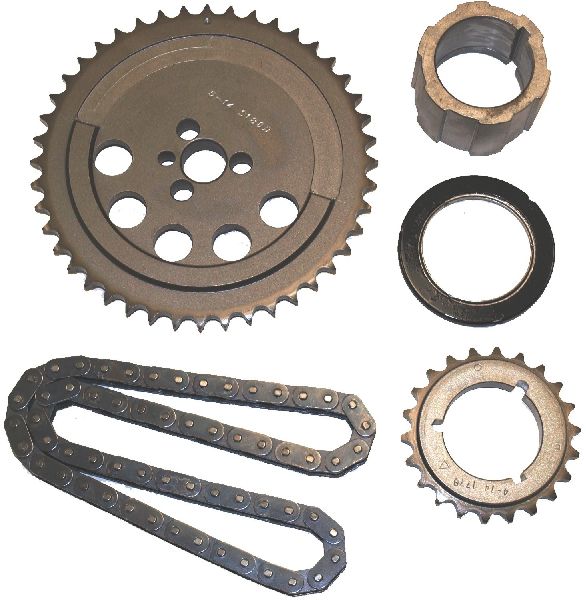
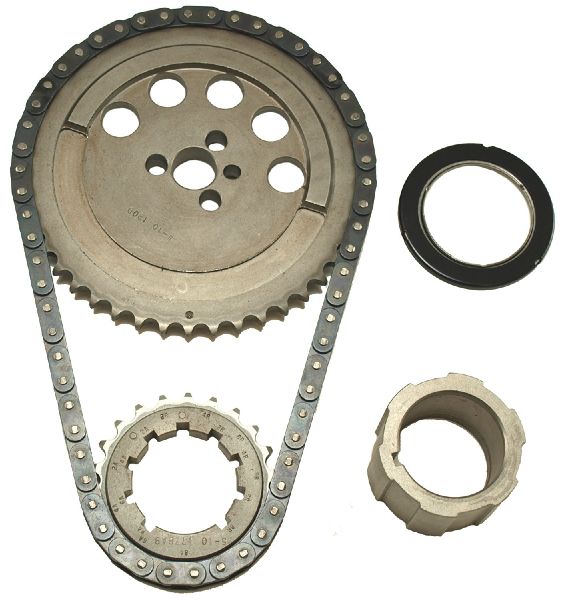
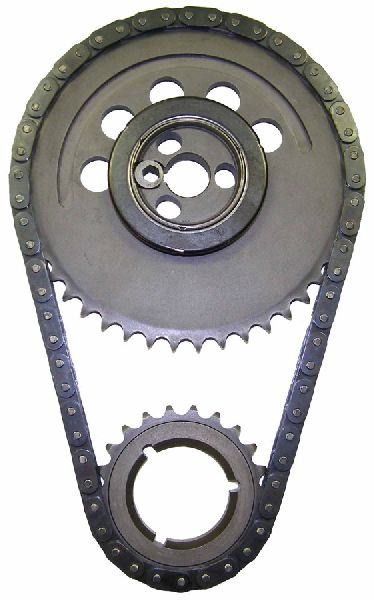
For a vehicle of this age, a quality aftermarket timing set provides the best balance of performance and value. OEM parts are often prohibitively expensive and offer little benefit over top-tier aftermarket options. Here’s a breakdown of the available brands:
Tier 1: Premium Aftermarket (Recommended)
These brands are known for high-quality engineering and often supply parts directly to automakers. They are the best choice for reliability and peace of mind.
- INA (Schaeffler): A highly respected German brand known for its OEM-quality components. INA kits are comprehensive and often include a special additive to reduce wear during the break-in period. They are a top choice for a durable repair.
- Cloyes: A long-standing leader in timing systems, Cloyes has been making timing components since 1921. They are a major OEM supplier and their aftermarket kits are known for being complete and reliable, making them a trusted choice for mechanics.
Tier 2: Standard Aftermarket
These brands offer a good balance of quality and affordability for a standard replacement.
- Melling / Melling Select Performance: Melling is a well-known name in engine parts, especially oil pumps and timing components. Their standard replacement sets are a reliable and cost-effective option for getting your vehicle back on the road.
Tier 3: Economy
This category includes lesser-known brands like Skyward. While they are the most affordable, quality can be inconsistent. Given the critical nature of the timing set and the high labor cost to replace it, investing in a Tier 1 or Tier 2 brand is strongly recommended to avoid premature failure and doing the job twice.
Pro Tip: What Else to Replace
The timing set replacement is a labor-intensive job that requires removing the timing cover. While you're in there, it is highly recommended to also replace the water pump, timing cover gasket, and the crankshaft front seal. These parts are easily accessible during the job and are likely near the end of their service life. Replacing them at the same time saves you from a costly future repair.
| Part/Service | Estimated Cost |
|---|---|
| New Aftermarket Timing Set | $51 - $338 |
| Shop Labor | $750 - $1200 |
| Total Estimated Cost | $800 - $1538 |
Frequently Asked Questions (FAQ)
Are there any recalls on the Sonora / Venture timing chain?
No, there are no NHTSA recalls or common Technical Service Bulletins (TSBs) for the timing chain on the 2000-2006 Chevrolet Venture platform. Any recalls for this vehicle pertain to other systems like fuel tanks or seat belts.
How long does a timing chain last on the 3.4L V6?
The original timing chain is designed to last the life of the engine, often exceeding 200,000 miles with proper maintenance. It is not a scheduled maintenance item. Replacement is only necessary if it shows symptoms of wear, such as stretching or noise.
Can I replace the timing set myself?
This is an advanced DIY repair. It requires draining coolant, removing the serpentine belt, power steering pump, harmonic balancer, and front engine cover. It also requires special tools like a harmonic balancer puller and the knowledge to set engine timing correctly. For most owners, this job is best left to a professional mechanic.
Should I worry about the intake manifold gaskets?
Yes. The 3.4L V6 engine is well-known for failures of the lower intake manifold gaskets, which can cause coolant to leak internally and mix with the engine oil. If your engine has high mileage, it is wise to inspect for this issue and consider replacing these gaskets at the same time as the timing set, as much of the labor overlaps.
Technical Specifications
Engine: 3.4L OHV V6 (LA1)
We Have This Part in Stock

The information in this article is provided for general reference and educational purposes only. Vehicle specifications, procedures, and part compatibility can vary by production date, trim level, and region. Always consult your vehicle's factory service manual and verify part numbers before purchasing or performing repairs. Safety-critical components such as airbags, seat belts, and braking systems should be installed by a qualified professional.
- Chevrolet Sonora:
- 🛍️ Shop This Part
- Understanding Your Sonora's Timing System
- Signs of a Failing Engine Timing Set
- Is the 3.4L V6 an Interference Engine?
- Choosing the Right Aftermarket Timing Set
- Tier 1: Premium Aftermarket (Recommended)
- Tier 2: Standard Aftermarket
- Tier 3: Economy
- Pro Tip: What Else to Replace
- Frequently Asked Questions (FAQ)
- 🎟️ Get 5% Off