

Lexus GS300 Automatic Transmission Input Speed Sensor Guide (2000-2006)
If your 2000-2006 Lexus GS300 is shifting harshly or has a P0715 code, this guide is for you.
- A faulty input speed sensor is a common cause of harsh shifting and a P0715 check engine light code on the 2000-2006 GS300.
- For 2006 models specifically, a harsh 2-1 downshift could be a faulty ECM, as noted in TSB L-SB-0126-12.
- Replacement is a simple DIY job for many owners, as the sensor is located on the exterior of the transmission.
- Using a high-quality aftermarket brand like NGK (NTK) is a reliable, cost-effective alternative to an expensive OEM part.
Is Your GS300 Shifting Erratically? It Could Be the Input Speed Sensor.

A failing automatic transmission input speed sensor is a common issue on the 2000-2006 Lexus GS300 that can cause significant drivability problems. When this sensor sends incorrect data or no data at all to the car's computer, the transmission doesn't know when to shift properly. This can lead to a range of symptoms, from annoying to severe. The most common diagnostic trouble code associated with this failure is P0715 (Input/Turbine Speed Sensor “A” Circuit Malfunction).
Common Symptoms of a Bad Input Speed Sensor

- Harsh or Delayed Shifting: The transmission may feel like it's slamming into gear, hesitating, or shifting at the wrong moments.
- Check Engine Light: A P0715 code is a clear indicator that the computer has detected a fault in the input speed sensor circuit.
- Sluggish Acceleration: The car may feel underpowered or slow to respond when you press the gas pedal.
- Limp Mode: In some cases, the transmission may go into a fail-safe mode, getting stuck in a single gear to prevent further damage.
- Stalling or Low Idle: Some owners have reported that a faulty input speed sensor can cause the engine to idle very low or even stall when coming to a stop.
Special Note for 2006 GS300 Owners
If you own a 2006 model and experience a harsh 2-1 downshift when stopping, the cause may not be the sensor. Lexus issued Technical Service Bulletin (TSB) L-SB-0126-12 for this specific issue, identifying a faulty Engine Control Module (ECM) as the likely culprit. The recommended repair is an ECM replacement, so proper diagnosis is crucial before replacing the sensor.
Choosing the Right Aftermarket Sensor: OEM vs. Aftermarket

When replacing a critical electronic part on a Lexus, part quality matters. While an OEM sensor from the dealer is always an option, high-quality aftermarket parts can offer a reliable repair at a better price. The engines and transmissions in these GS300 models are known to be very durable, so it's common for sensors to fail from age and heat long before the transmission itself wears out.
- OEM (Original Equipment Manufacturer): This is the part you would get from a Lexus dealership. It guarantees perfect fit and function but comes at the highest cost.
- Premium Aftermarket (e.g., NGK/NTK): Brands like NTK (the sensor division of NGK) are known for manufacturing parts that meet or exceed original specifications. For sensitive electronics, choosing a reputable brand like this is a smart investment to avoid premature failure and having to do the job twice.
- Standard Aftermarket (e.g., Standard Ignition): Brands like Standard Motor Products (SMP) provide a cost-effective solution and have wide availability. They can be a good choice for budget-conscious repairs, though they may not have the same reputation for longevity as an OEM or premium aftermarket part.
Pro Tip: Given that the labor to replace the sensor is the same regardless of the part's cost, investing in a quality aftermarket brand like NGK (NTK) is often the best value. It provides peace of mind without the high cost of an OEM part.
Replacement Cost
Replacing the input speed sensor is a relatively affordable repair, especially if you can do it yourself. The sensor is located on the outside of the transmission, making it accessible without major disassembly.
| Part or Service | Estimated Cost |
|---|---|
| Shop Labor | $88 - $129 |
| New Aftermarket Part | $68.52 - $206.07 |
| New OEM Part | $200 - $275 |
| Total Professional Replacement | $156 - $481 |
Frequently Asked Questions (FAQ)

Where is the input speed sensor located on the 2000-2006 GS300?
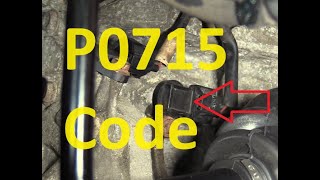
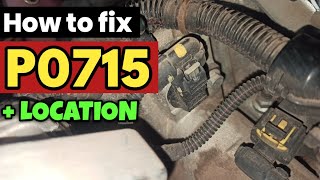
The transmission has two main speed sensors located on the driver's side of the transmission case. The input speed sensor (the one related to code P0715) is the sensor closer to the front of the car, near the bell housing where the transmission meets the engine. The output sensor is further back, near the driveshaft.
Can I replace this sensor myself?
Yes, this is a good DIY job for someone with basic tools and experience. The process involves safely lifting the vehicle, disconnecting the battery, locating the sensor, unplugging its electrical connector, removing a single bolt, and swapping the old sensor for the new one. Always use a new O-ring and lubricate it to ensure a proper seal.
What's the difference between the input and output speed sensors?
The input speed sensor measures how fast the shaft entering the transmission is spinning, while the output speed sensor measures the speed of the shaft leaving the transmission. The computer needs both signals to calculate the current gear and make correct shifting decisions. A P0715 code points specifically to the input sensor circuit.
Will replacing the sensor fix a P0715 code?
In most cases, yes. A faulty sensor is the most common cause of a P0715 code. However, the problem can also be caused by damaged wiring, a bad connector, or, in rare cases, a problem with the powertrain control module (PCM). Always inspect the wiring and connector for damage when replacing the sensor.
Helpful Videos

Technical Specifications
OEM Part Numbers: 89413-24010
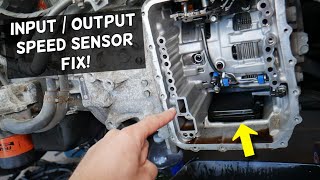
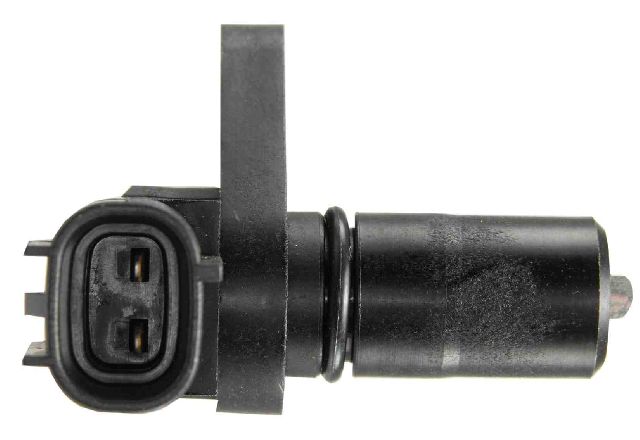
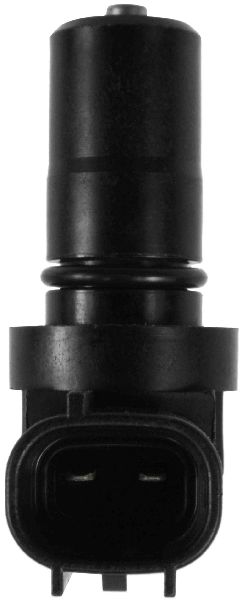
The input shaft speed sensor is a magnetic sensor held in place by a single bolt on the driver's side of the transmission housing, near the engine.
We Have This Part in Stock


The information in this article is provided for general reference and educational purposes only. Vehicle specifications, procedures, and part compatibility can vary by production date, trim level, and region. Always consult your vehicle's factory service manual and verify part numbers before purchasing or performing repairs. Safety-critical components such as airbags, seat belts, and braking systems should be installed by a qualified professional.
- Lexus GS300:
- 🎬 Helpful Videos
- 🛍️ Shop This Part
- Is Your GS300 Shifting Erratically? It Could Be the Input Speed Sensor.
- Common Symptoms of a Bad Input Speed Sensor
- Special Note for 2006 GS300 Owners
- Choosing the Right Aftermarket Sensor: OEM vs. Aftermarket
- Replacement Cost
- Frequently Asked Questions (FAQ)
- 🎟️ Get 5% Off