

2000-2006 Lexus GS300 Automatic Transmission Output Shaft Speed Sensor Guide
Fix erratic shifting and speedometer problems in your Lexus GS300 by understanding and choosing the right speed sensor.
- A P0720 trouble code is the most common indicator of a failed output speed sensor.
- Symptoms include harsh shifting, a non-working speedometer, and a Check Engine Light.
- Replacement is simple and accessible on the outside of the transmission, making it a good DIY task.
- For best results, choose a high-quality aftermarket brand like NTK or a genuine OEM part to avoid premature failure.
Is Your Lexus GS300 Shifting Strangely?
A failing transmission output speed sensor can make your reliable Lexus feel unpredictable. Because this sensor provides crucial data for gear changes and speed readings, its failure leads to obvious problems. Understanding these symptoms is the first step to a correct diagnosis and repair.
Symptoms of a Bad Output Speed Sensor
When this sensor starts to fail, your car's computer gets confusing information. You will likely experience one or more of the following issues:
- Harsh or Erratic Shifting: The transmission may slam into gear, hesitate between shifts, or shift at the wrong times.
- Check Engine Light: A failing sensor will almost always trigger a Check Engine Light. The most common trouble code is P0720 (Output Speed Sensor Circuit Malfunction).
- Inaccurate or Dead Speedometer: The speedometer may jump around, read an incorrect speed, or stop working completely.
- Cruise Control Not Working: The cruise control system relies on a steady speed signal, so it will not engage if the sensor is faulty.
Choosing the Right Aftermarket Speed Sensor
For a critical electronic part like a speed sensor, quality matters. While an OEM sensor from Lexus is always a safe choice, high-quality aftermarket options can offer reliable performance for less money. Here’s a look at the available brands.
Brand Tiers for Lexus GS300
- Tier 1: NGK (NTK)
NTK is the sensor division of NGK, a brand well-known for being an original equipment supplier to many Japanese automakers. Their sensors are manufactured to meet or exceed OEM specifications and are considered a top-tier aftermarket choice for reliability and fit. For a Lexus, NTK is often the best choice if you are not buying the genuine Lexus part. - Tier 2: Standard Ignition (Standard Motor Products)
Standard Motor Products (SMP) is a large aftermarket manufacturer. Their parts can be a good budget-friendly option. However, owner experiences with their sensors can be mixed. While many have no issues, some have reported receiving a defective part that fails early. If choosing this brand, be aware that it may carry a higher risk of premature failure compared to NTK or OEM.
Cost to Replace the Output Speed Sensor
The cost to replace the output speed sensor on a 2000-2006 GS300 can vary. If you are a DIYer, you can save significantly on labor. The sensor is located on the outside of the transmission, making it a relatively simple replacement.
| Part/Service | Estimated Cost |
|---|---|
| New OEM Part | $200 - $275 |
| New Aftermarket Parts | $32 - $206 |
| Shop Labor | $88 - $129 |
| Total Professional Replacement | $120 - $504 |
Frequently Asked Questions
Where is the output speed sensor located on the GS300?
The output speed sensor is located on the exterior of the automatic transmission housing, typically toward the rear of the unit where the driveshaft connects. You will need to safely raise the vehicle to access it from underneath. It is held in by one or two bolts and has an electrical connector attached.
Can I replace this sensor myself?
Yes, this is a DIY-friendly job for those with basic mechanical skills. The process involves safely lifting and supporting the vehicle, unplugging the electrical connector, removing the mounting bolt(s), and swapping the old sensor for the new one. Always ensure the new sensor's O-ring is properly lubricated and seated to prevent leaks.
What's the difference between an input and output speed sensor?
The transmission has at least two main speed sensors. The *input* (or turbine) speed sensor measures the speed of the shaft coming from the engine's torque converter. The *output* speed sensor measures the speed of the shaft leaving the transmission. Both are needed for the computer to calculate the correct gear ratio and control shifts. A P0720 code specifically points to the output sensor circuit.
What happens if I don't replace a bad speed sensor?
Ignoring a bad output speed sensor is not recommended. The shifting problems will only get worse, putting extra strain on your transmission's internal components. Driving with an inoperable speedometer is also unsafe and can get you a traffic ticket. For the health of your transmission and your safety, it's best to replace it as soon as it's diagnosed as faulty.
Technical Specifications
OEM Part Numbers: 89413-32010 89413-0C010 89413-30010 89413-50020
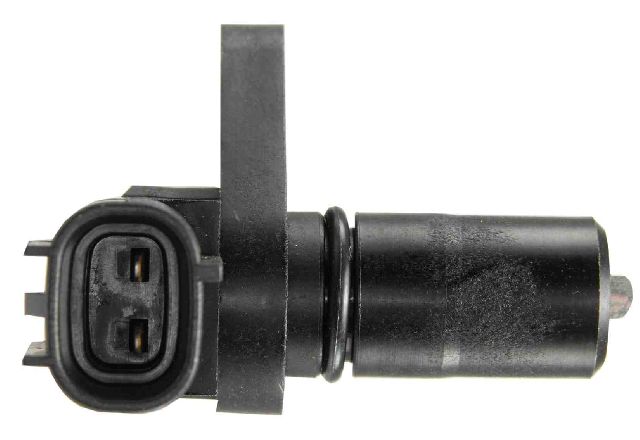
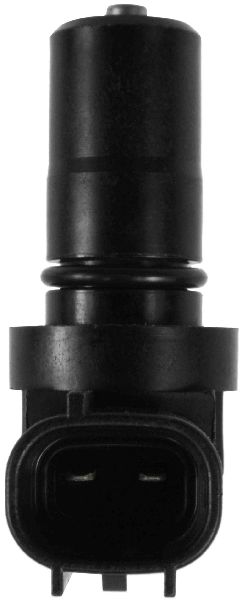
The sensor is an inductive type with a 2-pin oval connector, held in place by a single bolt. It is crucial to verify the exact OEM part number for your specific vehicle year before ordering, as several part numbers may apply across the Lexus/Toyota lineup.
We Have This Part in Stock


The information in this article is provided for general reference and educational purposes only. Vehicle specifications, procedures, and part compatibility can vary by production date, trim level, and region. Always consult your vehicle's factory service manual and verify part numbers before purchasing or performing repairs. Safety-critical components such as airbags, seat belts, and braking systems should be installed by a qualified professional.
- Lexus GS300: