

A Guide to the 2000-2006 Lincoln LS Cylinder Head Temperature Sensor
Solve false overheating warnings and limp mode issues by understanding this critical sensor in your Lincoln LS.
- Your Lincoln LS uses a Cylinder Head Temperature (CHT) sensor, not a standard coolant (ECT) sensor.
- Replacement is a major job requiring removal of the intake manifold; use a high-quality part like Motorcraft to avoid repeat labor costs.
- Symptoms are severe and include 'Reduced Engine Power' mode and fans running constantly on high.
- Always diagnose properly; a stuck thermostat can cause similar issues and should be considered for replacement at the same time.
Is It a Coolant Sensor or a Head Temperature Sensor?
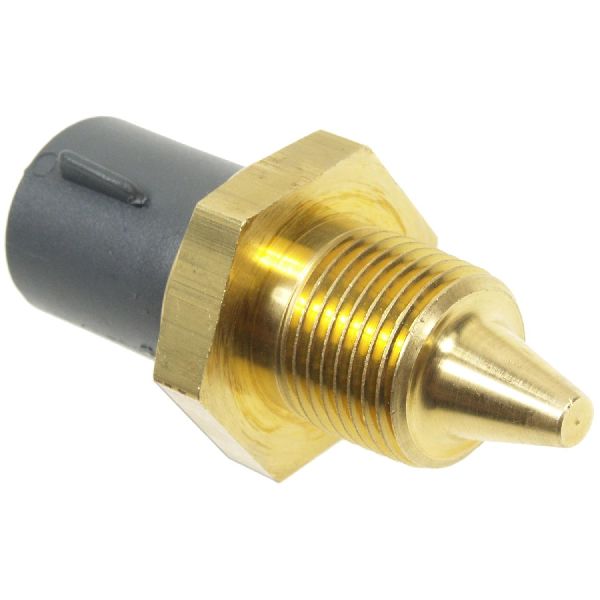
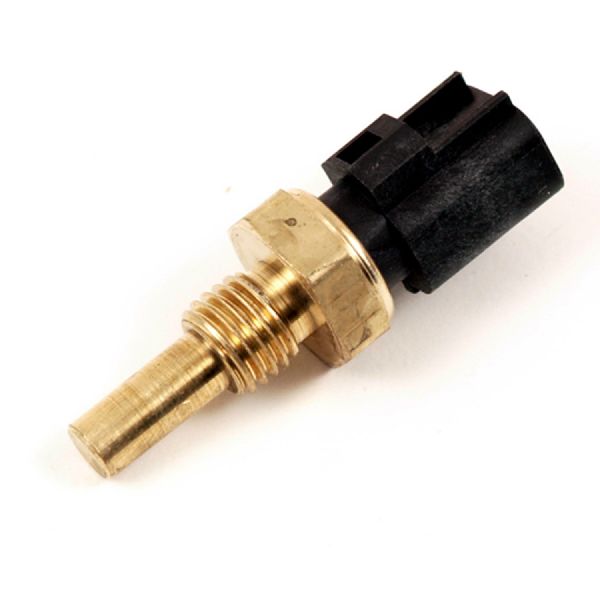
If you're looking for a traditional Engine Coolant Temperature (ECT) sensor for your 2000-2006 Lincoln LS, you won't find one. This vehicle uses a more advanced Cylinder Head Temperature (CHT) sensor. It threads into the engine valley, between the cylinder heads, and measures the actual metal temperature. This is a key detail, as a failure of this sensor causes unique and often alarming symptoms that can be mistaken for other major problems.
Symptoms of a Failing CHT Sensor
When the CHT sensor fails on a Lincoln LS, the vehicle's computer (PCM) doesn't know the real engine temperature. To protect the engine from potential damage, it triggers a 'fail-safe' or 'limp-home' mode. You will likely experience a combination of these specific symptoms:
- Sudden Overheating Warning: The temperature gauge on your dashboard may shoot straight to 'H' (Hot), even moments after starting a cold engine.
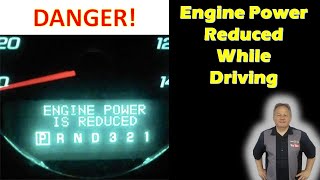
- "Reduced Engine Power" Message: A warning will appear on the instrument cluster, and the car will have noticeably less acceleration. 🎬 See what causes the 'Reduced Engine Power' mode to trigger.
- Cooling Fans Run Constantly on High: The computer will command the radiator fans to run at full speed as a precaution, making the car sound very loud.
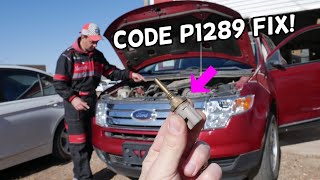
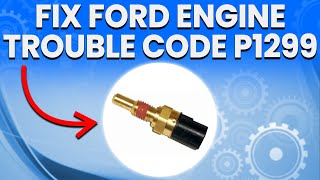
- Check Engine Light: A Check Engine Light is almost certain, with codes like P1289 (Cylinder Head Temp Sensor Circuit High) or P1299 (Cylinder Head Overtemperature Protection Active) stored in the computer. 🎬 Watch this guide to fixing the P1299 overtemperature protection code.
- Poor Fuel Economy & Black Smoke: With incorrect temperature data, the computer may enrich the fuel mixture, leading to wasted gas and sometimes black smoke from the exhaust.
A Word of Warning on Replacement
Replacing the CHT sensor on both the V6 and V8 Lincoln LS engines is a difficult job. The sensor is located under the upper and lower intake manifolds. This is not a simple part to access and typically requires 4-5 hours of shop labor. Because of the high labor cost, choosing a low-quality part that might fail early is a significant financial risk.
Choosing the Right Aftermarket CHT Sensor
Given the labor-intensive replacement, part quality is critical. You do not want to do this job twice.
- Tier 1: OEM / Premium Aftermarket: Motorcraft is the original equipment manufacturer and the most recommended choice by Lincoln LS owners and mechanics. It ensures perfect communication with the vehicle's computer. Brands like NGK and Delphi are also known for producing high-quality sensors that often meet or exceed OE specifications.
- Tier 2: Reputable Aftermarket: Brands like Standard Ignition (SMP), Walker Products, and Holstein offer a good balance of quality and value. They are established names in the aftermarket and are generally reliable.
- Tier 3: Budget-Friendly Options: Brands like URO Parts, Facet, and others fall into this category. While their low price is tempting, the risk of premature failure is higher. Considering the high cost of installation, saving a few dollars on the part itself is generally not advised for this specific job.
| Part Type | Estimated Part Cost | Estimated Labor Cost |
|---|---|---|
| New OEM (Motorcraft) | $30 - $60 | $350 - $600+ |
| New Aftermarket | $12 - $48 | |
| Used OEM | $10 - $25 |
Pro Tip: Since the intake manifold must be removed to access the CHT sensor, this is an excellent time to inspect and potentially replace other parts in the engine valley, such as intake manifold gaskets, the thermostat, or coolant hoses that are difficult to reach otherwise.
Frequently Asked Questions (FAQ)
Where is the CHT sensor located on the Lincoln LS?
The CHT sensor is located in the engine valley, underneath the intake manifold assembly. On the V8 engine, it threads into the cylinder head between the rearmost cylinders on the passenger side. Access requires removing the entire intake system.
🎬 Watch a walkthrough of this Lincoln LS overheating repair.Can I replace the CHT sensor myself?
This is a job best left to experienced DIY mechanics or a professional shop. The process involves removing the intake manifold, which is a lengthy procedure with many steps. An improper seal on the intake gaskets during reassembly can cause vacuum leaks and other engine problems.
My car isn't actually overheating. Could the sensor still be bad?
Yes. A classic symptom of CHT sensor failure is a false overheating signal. The computer receives an erratic or out-of-range signal and triggers the limp mode and high-temp warning as a safety measure, even if the engine is at a normal temperature.
Should I replace my thermostat at the same time?
It is highly recommended. A stuck thermostat is another common cause of overheating issues on the Lincoln LS. Since replacing the thermostat also requires significant labor, doing both jobs while the intake manifold is off can save you a lot of money in the long run.
Helpful Videos
Technical Specifications
OEM Part Numbers: 3F1Z-12A648-A DY-1144
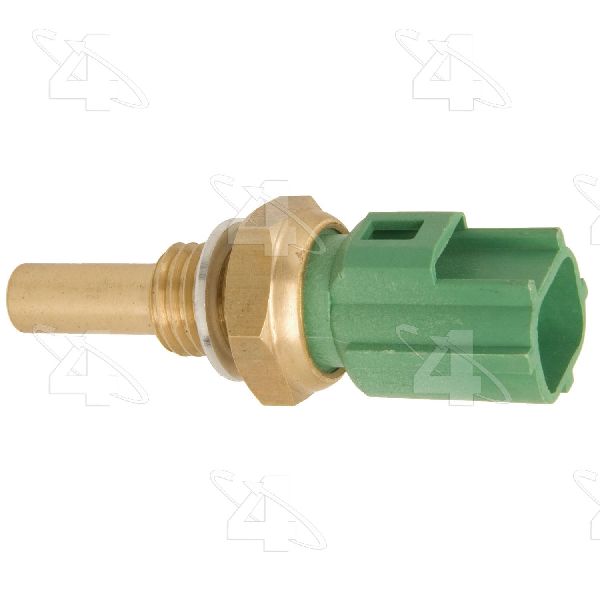
This is a Cylinder Head Temperature (CHT) sensor, not an Engine Coolant Temperature (ECT) sensor. It is a thermistor-type sensor that threads into the cylinder head.
We Have This Part in Stock


The information in this article is provided for general reference and educational purposes only. Vehicle specifications, procedures, and part compatibility can vary by production date, trim level, and region. Always consult your vehicle's factory service manual and verify part numbers before purchasing or performing repairs. Safety-critical components such as airbags, seat belts, and braking systems should be installed by a qualified professional.
- Lincoln LS: