

Your Guide to the 2000-2006 Lincoln LS Mass Air Flow Sensor
Fix poor idling and hesitation by understanding how to choose the right MAF sensor for your V6 or V8 Lincoln LS.
- Always try cleaning your existing MAF sensor with dedicated cleaner before buying a new one.
- Avoid over-oiled aftermarket air filters, as they are a primary cause of MAF sensor contamination and failure.
- For best results, choose an OEM (Motorcraft) or a reputable OEM-supplier brand like Hitachi or Delphi to avoid calibration issues common with cheaper parts.
- Replacement is a very simple DIY task that takes less than 20 minutes with basic tools.
Understanding MAF Sensor Failure in Your Lincoln LS
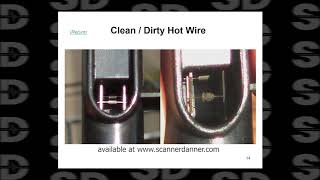
The Mass Air Flow (MAF) sensor is a sensitive and vital component in your Lincoln LS. Its main job is to measure the volume and density of air entering your engine, sending that data to the car's computer to create the perfect air-fuel mixture. When it fails, it can cause a range of frustrating problems. The most common cause of failure isn't a defect in the part itself, but contamination. Oil from aftermarket oiled air filters, dirt, and other debris can coat the delicate sensing wire, causing incorrect readings. This leads the computer to either send too much fuel (running rich) or too little (running lean).
Symptoms of a Bad MAF Sensor
If your Lincoln LS is experiencing the issues below, a dirty or failing MAF sensor is a likely suspect. Often, these symptoms will trigger the Check Engine Light.
- Rough Idle or Stalling: The engine may idle erratically or stall when you come to a stop.
- Hesitation and Jerking: When you accelerate, the car might stumble or jerk before picking up speed.
- Poor Fuel Economy: If you're filling up your tank more often, a bad MAF sensor could be causing the engine to run rich, wasting fuel.
- Loss of Power: Your LS may feel sluggish and less powerful than usual.
- Black Smoke from Exhaust: This is a clear sign that the engine is running too rich and burning excess fuel.
First, Try Cleaning It
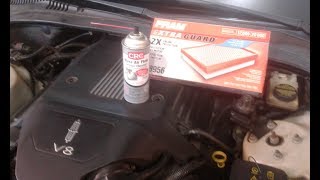
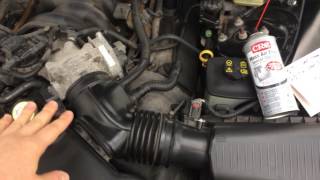
Before you buy a new sensor, it's often worth trying to clean the old one. You can buy a specific MAF sensor cleaning spray at any auto parts store. The sensor is located on the air intake tube between the air filter box and the engine. It's held in by two Torx screws. Carefully remove it, spray it thoroughly with the cleaner without touching the sensitive wires, and let it dry completely before reinstalling. 🎬 Watch: Step-by-step guide to cleaning your Lincoln LS sensor. This simple step can often solve the problem and save you money.
Choosing the Right Aftermarket MAF Sensor
If cleaning doesn't work, a replacement is necessary. For the Lincoln LS, the quality of the MAF sensor matters. While OEM Motorcraft is the gold standard, several aftermarket brands offer a good balance of quality and price. Forum discussions among LS owners often caution against the cheapest "one size fits all" brands, which can cause more problems than they solve. It's recommended to stick with either OEM or a reputable aftermarket supplier.
Brand Quality Tiers
Tier 1: OEM & OEM-Equivalent Brands
- Motorcraft: This is the original Ford/Lincoln part. It guarantees perfect fit and performance but comes at the highest cost.
- Hitachi: Hitachi is a well-regarded OEM supplier for many manufacturers and is often considered equivalent to the factory part in quality and reliability. Reviews are generally very positive.
- Delphi: Another top-tier OEM supplier known for high-quality electronics. A Delphi sensor is a reliable choice that meets factory specifications.
Tier 2: Quality Aftermarket Brands
- NGK/NTK: While famous for spark plugs, NGK's sensor line is known for its quality and reliability.
- Standard Ignition (SMP): A long-standing brand in the aftermarket that produces reliable sensors.
- Walker Products: A solid aftermarket option that provides good value.
Tier 3: Budget & Remanufactured Options
- Cardone: Cardone offers both new and remanufactured sensors. While they can be a budget-friendly option, forum experiences are mixed, with some users reporting issues.
- Spectra, DriveWire, Skyward, Global Parts: These brands fall into the budget category. They are the most affordable but may have a higher risk of being improperly calibrated out of the box, leading to performance issues.
| Part Type | Estimated Cost |
|---|---|
| New OEM (Motorcraft) | $140 - $195 |
| New Aftermarket | $43 - $190 |
| Shop Labor | $50 - $100 |
Pro Tip: Reset the Computer
After replacing the MAF sensor, it's a good idea to disconnect the battery for about 30 minutes. This clears the engine computer's memory (KAM) and forces it to relearn the fuel trims with the new, accurate sensor data. This can prevent the car from running poorly with the new part.
Frequently Asked Questions (FAQ)
Do I need a different MAF sensor for the V6 and V8 engines?
Yes, the part numbers for the 3.0L V6 and 3.9L V8 are often different. While some aftermarket sensors are listed for both, it is critical to verify the exact fitment for your specific engine and year to ensure proper function. Always use a fitment checker before purchasing.
Can I install the MAF sensor myself?
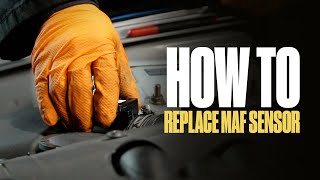
Absolutely. Replacing the MAF sensor on a 2000-2006 Lincoln LS is a very easy job for a DIY mechanic. It requires basic tools (usually a flathead screwdriver and a T20 Torx driver), takes about 15-20 minutes, and is located right on top of the engine's air intake.
🎬 Watch this simple DIY walkthrough for replacing your sensor.What are the most common error codes for a bad MAF sensor?
The most common trouble code is P0101. You may also see codes like P0102 (low input) or P0103 (high input). Lean condition codes like P0171 and P0174 can also be triggered by a faulty MAF sensor providing incorrect air readings.
🎬 See how to diagnose lean codes and faulty sensors.Why is my car running worse after putting in a new, cheap MAF sensor?
This is a common complaint found on Lincoln LS forums. Low-quality aftermarket sensors can be poorly calibrated and send worse information to the computer than the old, dirty sensor. This is why investing in a quality brand like Motorcraft, Hitachi, or Delphi is often recommended to avoid this frustration. Another possibility is an air leak in the intake tube that was present before the swap.
Helpful Videos
Technical Specifications
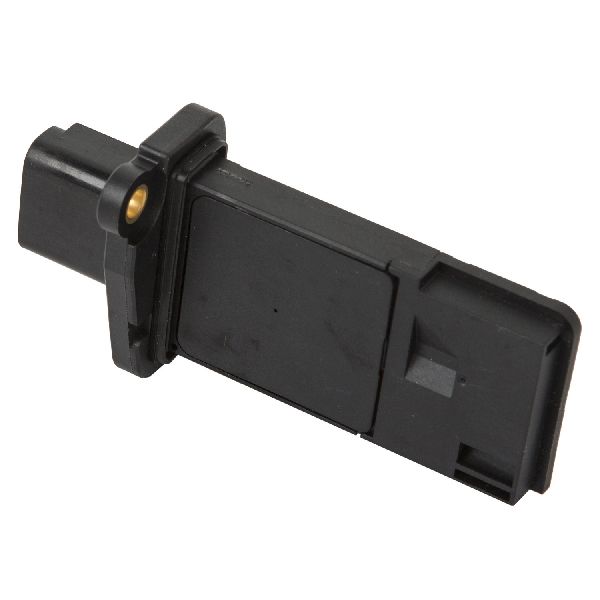
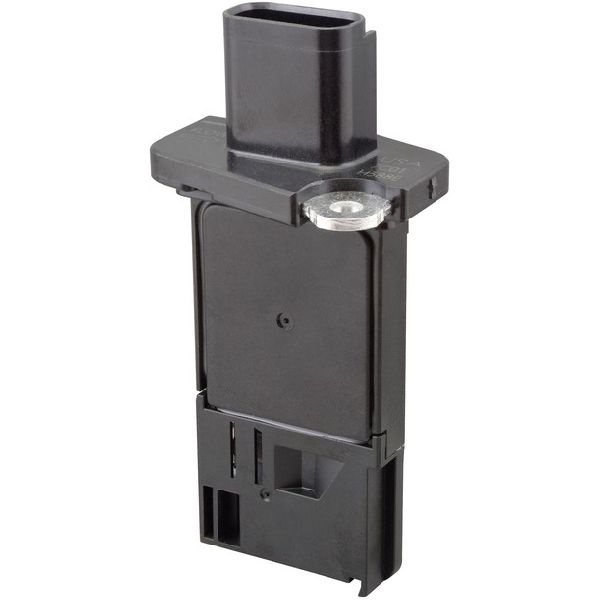
OEM Part Numbers: YC2F-12B579-AA XW4F-12B579-AA 1L2Z-12B579-AA 3W7Z-12B579-BA F8LZ-12B579-AARM
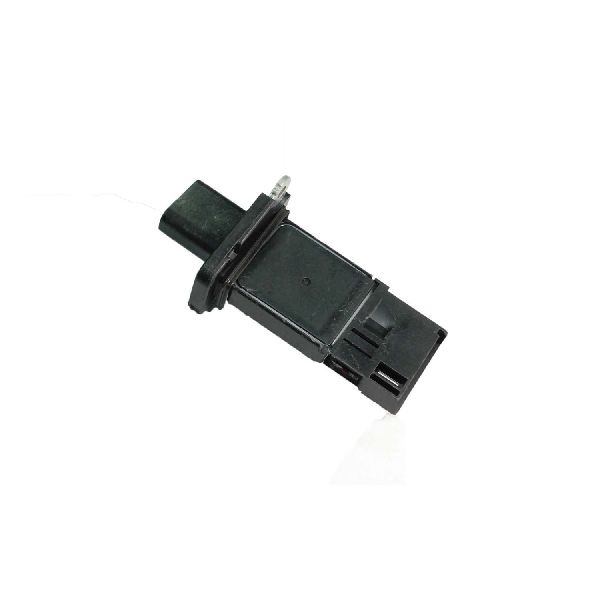
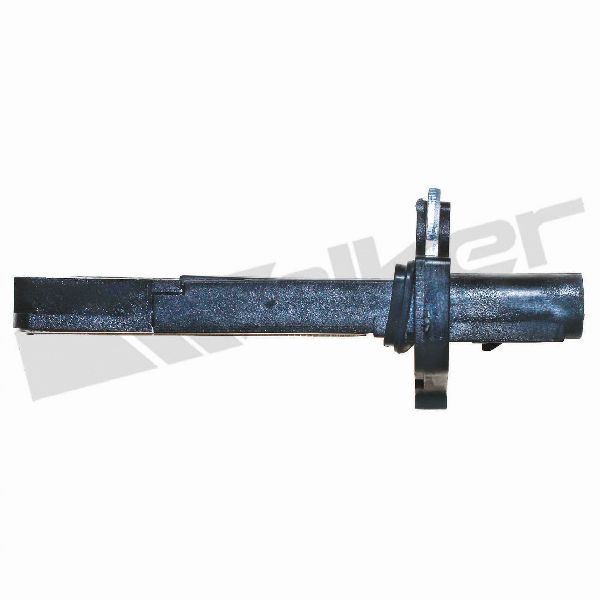
The sensor is a 6-pin 'cartridge' or 'insert' style sensor that mounts into the air duct housing. It integrates the Intake Air Temperature (IAT) sensor. The V6 and V8 models may use different sensors, so fitment verification is essential.
We Have This Part in Stock



The information in this article is provided for general reference and educational purposes only. Vehicle specifications, procedures, and part compatibility can vary by production date, trim level, and region. Always consult your vehicle's factory service manual and verify part numbers before purchasing or performing repairs. Safety-critical components such as airbags, seat belts, and braking systems should be installed by a qualified professional.
- Lincoln LS: