

A Guide to Disc Brake Caliper Repair Kits for the 2000-2006 Mitsubishi Eclipse
Fix your sticking or leaking brakes by deciding if rebuilding your Eclipse's calipers is the right job for you.
- Before buying a kit, remove the caliper to inspect the piston and bore for rust or pitting. If damaged, buy a remanufactured caliper instead.
- A repair kit is a very low-cost solution if your caliper body is in good shape.
- For 2006 models, be aware of an ABS unit recall that can cause similar symptoms to a bad caliper.
- Rebuilding a caliper is a moderate-difficulty DIY job that requires bleeding the brakes afterward.
Is Your Eclipse's Brake Caliper Failing?
On the 2000-2006 Mitsubishi Eclipse, brake caliper issues are common as the car ages. The main problems are sticking pistons or guide pins and leaking brake fluid. Knowing the signs can help you decide if a repair kit is the solution.
Symptoms of a Bad Caliper:
- Vehicle Pulls to One Side: When you brake or even while driving, a seized caliper can cause the car to pull to the left or right.
- Spongy or Soft Brake Pedal: If a caliper seal is leaking brake fluid, you'll lose hydraulic pressure, making the pedal feel soft and increasing your stopping distance.
- Brake Fluid Leaks: Puddles of fluid near your wheels are a clear sign of a leak. The caliper piston seal is a common source.
- Brakes Dragging: A caliper that doesn't release properly will cause the brake pads to drag on the rotor. You might notice a burning smell, excessive heat from one wheel, or poor fuel economy.
- Uneven Brake Pad Wear: When you inspect your brake pads, if one side is significantly more worn than the other, it often points to a sticking caliper piston or seized guide pins.
Important Note for 2006 Eclipse Owners
A recall (NHTSA #15V337000, Mitsubishi #SR-15-004) was issued for 2006-2009 Eclipse models for a faulty anti-lock brake system (ABS) unit. Internal corrosion could cause valves to seize, leading to increased brake pedal travel and reduced braking power, symptoms that can be mistaken for a bad caliper. It is wise to check if your vehicle was affected by this recall.
Choosing the Right Aftermarket Kit: Rebuild or Replace?
The biggest question is whether to use a repair kit or buy a complete remanufactured caliper. The answer depends on the condition of your existing caliper.
You can use a repair kit if: The caliper piston (the metal cylinder that pushes the pad) and the caliper bore (the hole it slides in) are smooth and free of rust, pitting, or scoring. If the surfaces are clean, a new set of seals is all you need.
You should buy a remanufactured caliper if: The piston or caliper bore is corroded or damaged. A new seal won't last long on a rough surface and will leak again. For many owners, the low cost of a complete remanufactured caliper makes it a faster and more reliable repair than rebuilding a questionable original.
Aftermarket Brand Options
For the 3G Eclipse, several reputable brands offer caliper repair kits. Your choice depends on balancing cost and specialized quality.
- Dorman: A widely available and common choice for all types of automotive repairs. Dorman kits are a standard, reliable option for a budget-friendly rebuild.
- Carlson: A well-known specialist in brake hardware. Carlson is a major supplier of caliper components and their kits are considered a dependable, quality choice.
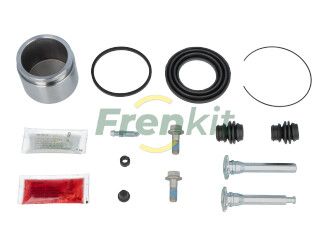
- Frenkit: A European brand that specializes in brake and clutch repair kits, even serving as an original equipment supplier to some carmakers. They are known for high-quality, precision components and are an excellent choice if available.
| Repair Option | Estimated Part Cost | Notes |
|---|---|---|
| Aftermarket Repair Kit | $7 - $73 | Contains new seals, boots, and sometimes guide pin boots. Only viable if the caliper piston and bore are in good condition. |
| Remanufactured Aftermarket Caliper | $65 - $90 | A fully rebuilt caliper, often with a new piston. A safer, faster option if your original is corroded. |
| New OEM Caliper | $250+ | The most expensive option, providing a brand-new part directly from Mitsubishi. |
Pro Tip: Check the Brake Hoses
While you have the caliper off, inspect the flexible rubber brake hose connected to it. Over time, these hoses can deteriorate internally and collapse, which can trap brake fluid and cause the caliper to stick, mimicking a seized caliper. If the hoses are original, replacing them is cheap insurance against future brake problems.
Frequently Asked Questions
What comes in a typical caliper repair kit?
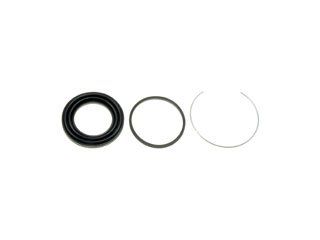
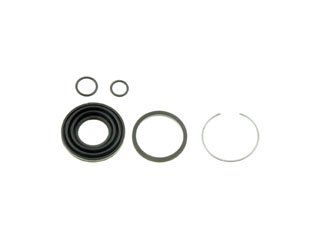
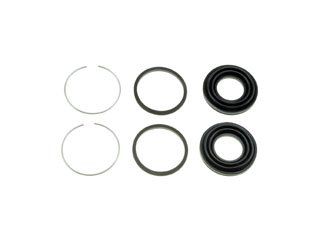
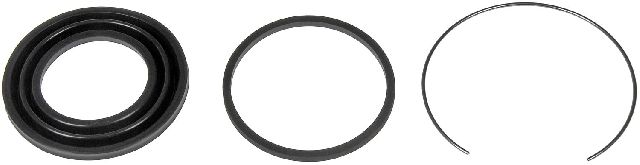
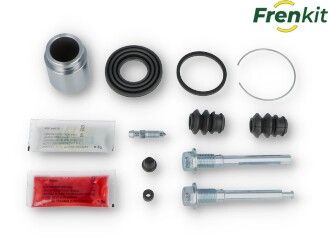
A basic kit includes the main piston seal (a square-cut O-ring) and the outer dust boot that protects the piston. More comprehensive kits may also include new rubber boots for the caliper guide pins, a new bleeder screw cap, and assembly lubricant. Kits with new pistons are also available at a higher cost.
Is rebuilding a brake caliper a good DIY job?
This is a moderately difficult job, more complex than changing brake pads. It requires you to open the hydraulic brake system, which means you must bleed the brakes afterward. You will need to be very careful not to scratch the caliper bore during cleaning. If you are a beginner, watching several tutorial videos is highly recommended before you start.
What tools do I need to rebuild a caliper?
You'll need standard mechanic's tools, a C-clamp, and a way to remove the piston. The easiest method is using low-pressure compressed air, but be extremely careful as the piston can come out with dangerous force. You will also need a pick or small screwdriver to remove the old seals, brake cleaner, and fresh brake fluid for lubrication and bleeding.
Should I rebuild both front or rear calipers at the same time?
It's good practice. If one caliper has failed due to age, the one on the other side of the car has been subjected to the same conditions and is likely to fail soon. Rebuilding in pairs ensures balanced brake performance and saves you from doing the same job twice.
Technical Specifications
OEM Part Numbers: MB699707 (Example for earlier models, verify for your specific year)
Kits typically include a piston seal and dust boot. Some kits may include guide pin boots or a new piston. Compatibility varies between front and rear calipers, and between trim levels (e.g., GT vs. base models).
We Have This Part in Stock

The information in this article is provided for general reference and educational purposes only. Vehicle specifications, procedures, and part compatibility can vary by production date, trim level, and region. Always consult your vehicle's factory service manual and verify part numbers before purchasing or performing repairs. Safety-critical components such as airbags, seat belts, and braking systems should be installed by a qualified professional.
- Mitsubishi Eclipse: