

A Guide to Disc Brake Hardware for the 2000-2007 Audi TT Quattro
Everything you need to know about replacing the essential clips, pins, and springs on your Mk1 TT's brakes.
- Always replace brake hardware when changing pads to prevent noise and uneven wear.
- A special caliper wind-back tool is required for the rear brakes on the TT Quattro.
- Thoroughly clean and lubricate caliper slide pins to prevent them from seizing, a common TT issue.
- Quality aftermarket brands like Centric and Raybestos offer excellent value and performance for this vehicle.
Is New Brake Hardware Necessary for Your TT?
When you're doing a brake job on your 2000-2007 TT Quattro, it's easy to focus only on the pads and rotors. However, the disc brake hardware kit is just as important. The clips and springs in these kits are under constant heat and tension. Over time, they can lose their springiness, corrode, or get clogged with brake dust. This can cause brake pads to stick, drag, or wear unevenly. For a performance car like the TT, ensuring the brakes operate freely is critical for both safety and feel.
Pro Tip: Always replace your brake hardware when you replace your brake pads. It's a low-cost part that prevents future headaches like noise and premature pad wear. The small cost is cheap insurance for a properly functioning brake system.
Symptoms of Failing Brake Hardware
Worn or failing brake hardware often shows the same symptoms as bad pads or rotors. If you notice any of these issues, a full brake system inspection is in order.
- Brake Noise: Squealing, rattling, or clunking sounds can come from loose or worn-out clips that allow the brake pads to vibrate.
- Uneven Pad Wear: If caliper guide pins are sticking or seized, one pad can wear out much faster than the other. This is a common issue on the TT Quattro if not serviced regularly.
- Dragging Brakes: A sensation that the car is holding back or poor fuel economy can be caused by hardware that prevents the pads from retracting from the rotor. This also generates excess heat, which can damage pads and rotors.
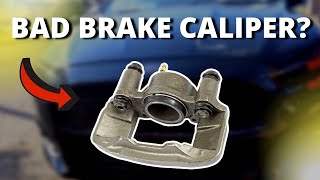
- Vehicle Pulling to One Side: When a caliper's slide pins are seized, the brake on that wheel may not apply or release correctly, causing the car to pull to the opposite side when you brake. 🎬 Watch: Learn more about the symptoms of a bad caliper.
Choosing the Right Aftermarket Hardware Kit
For a first-generation Audi TT, you don't need to buy expensive OEM (Original Equipment Manufacturer) hardware. Quality aftermarket brands provide excellent performance and often include features like better rust-resistant coatings. The brands available are generally grouped into tiers based on community feedback and reputation.
Brand Quality Tiers
Tier 1: Reputable Aftermarket (Recommended)
- Centric: A widely respected brand known for good quality and fitment. They also own the StopTech performance brand. Their premium kits often feature coatings to prevent rust, which is a smart upgrade.
- Raybestos: Another strong choice, often compared directly with Centric for quality and value. Their Element3 line is well-regarded.
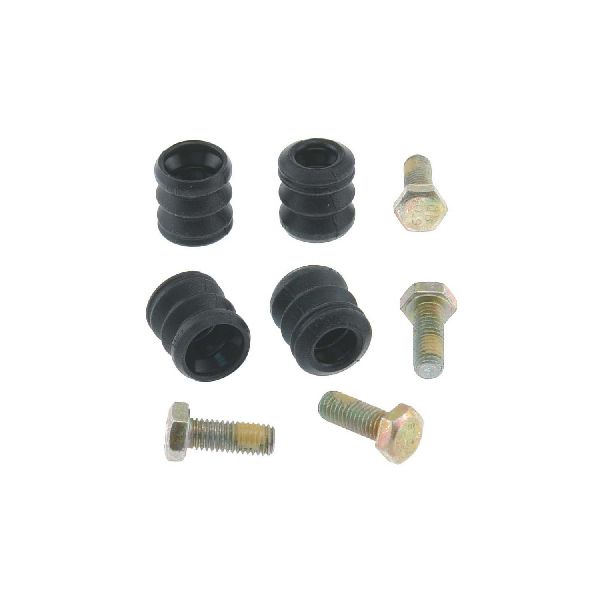
- Carlson: Known for making quality hardware, especially caliper guide pins and boot kits.
Tier 2: Good Value / Mixed Reviews
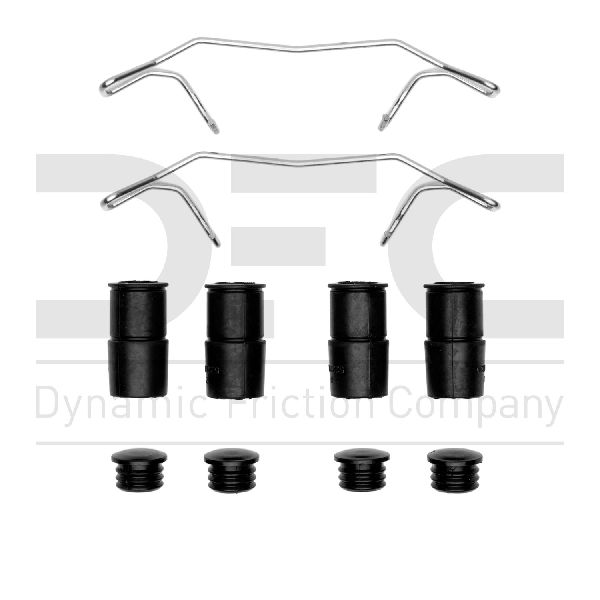
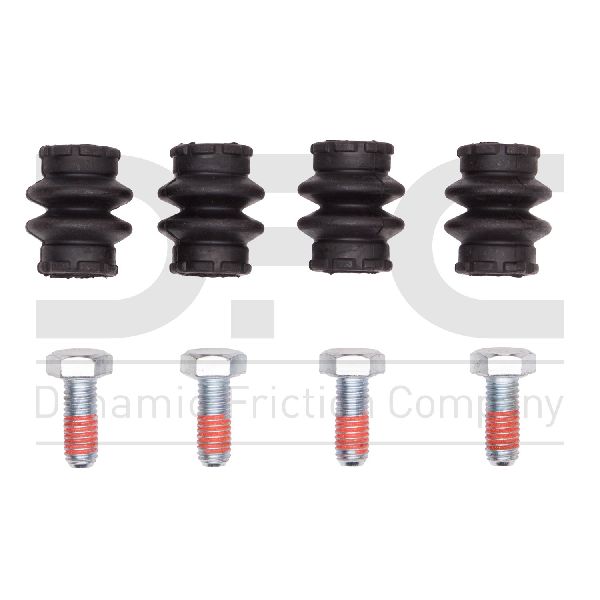
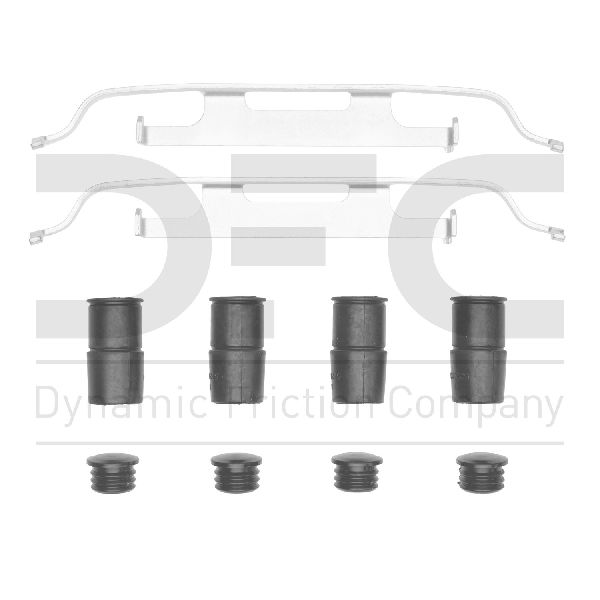
- Dynamic Friction (DFC): Often praised for their pads and coated rotors, their hardware kits are considered a solid value option. While generally good, there have been isolated reports of quality control issues on their other brake parts.
- Dorman: Dorman makes a huge variety of parts, but their quality can be inconsistent. While a Dorman hardware kit will likely fit and function, brands from Tier 1 are often preferred by mechanics for a small price difference.
OEM vs. Aftermarket: There are no significant recalls or TSBs for the original hardware on the 2000-2007 TT, suggesting it was well-made. However, aftermarket kits from reputable brands are more affordable and often provide equal or better corrosion resistance.
Estimated Costs for New Hardware
The hardware kit itself is very affordable. The main cost is labor if you have a shop perform the work. Since the hardware is replaced during a brake job, the labor cost is usually included in the overall price for replacing pads and rotors.
| Part / Service | Estimated Cost |
|---|---|
| New Aftermarket Disc Brake Hardware Kit | $5 - $41 |
| Shop Labor (as part of a brake job) | $150 - $300 |
Frequently Asked Questions (FAQ)
Do I need special tools to replace the brake hardware?
For the front brakes, standard hand tools are usually sufficient. 🎬 Watch: A beginner's guide to changing front brake pads. However, for the rear brakes on a TT Quattro, you absolutely need a special caliper wind-back tool. The rear caliper pistons must be rotated as they are pushed back in. Attempting to force them straight back with a C-clamp will damage the caliper.
🎬 See how to properly replace rear discs and pads.Should I replace hardware on both sides if only one is noisy?
Yes. Brakes should always be serviced in pairs on the same axle (both fronts or both rears). This ensures balanced braking performance and even wear. Since the hardware is inexpensive, there is no reason to only do one side.
What is the most common mistake when replacing brake hardware?
The most common mistake is failing to properly clean and lubricate the caliper slide pins and the areas where the new clips sit. Old rust and brake dust must be removed with a wire brush to ensure the new hardware fits correctly and the pads can move freely. Seized slide pins are a very common problem that leads to brake issues.
Are there any recalls I should know about?
There are no specific recalls from Audi or the NHTSA for the disc brake hardware on the 2000-2007 TT Quattro. An earlier recall existed for aftermarket master cylinders made by a company called Cardone, but this did not affect the original Audi parts.
Helpful Videos

Technical Specifications
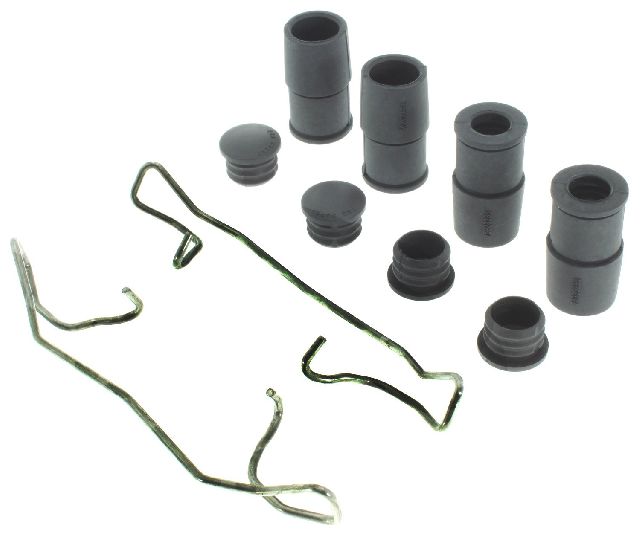
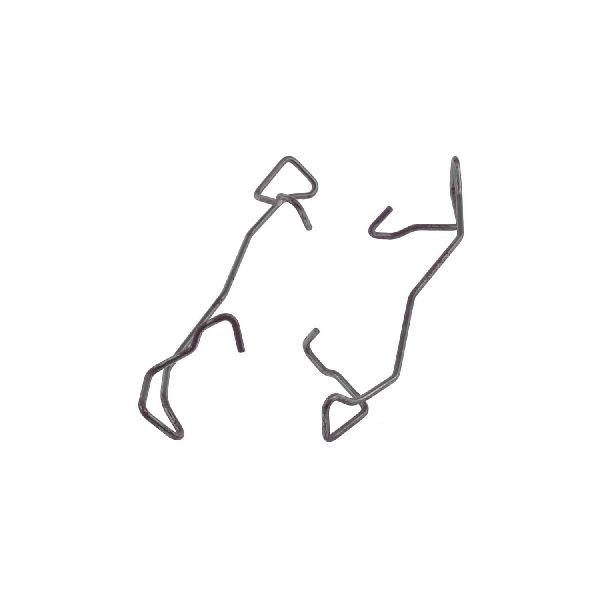
Kit typically includes anti-rattle clips, pad retaining springs, and sometimes guide pin boots. Materials are usually stainless steel or plated steel for corrosion resistance.
We Have This Part in Stock

The information in this article is provided for general reference and educational purposes only. Vehicle specifications, procedures, and part compatibility can vary by production date, trim level, and region. Always consult your vehicle's factory service manual and verify part numbers before purchasing or performing repairs. Safety-critical components such as airbags, seat belts, and braking systems should be installed by a qualified professional.
- Audi TT Quattro: