

A Guide to Aftermarket Brake Pads for the 2000-2007 Audi TT Quattro
Find the right stopping power and performance for your Mk1 Audi TT without the guesswork.
- Choose aftermarket ceramic pads from brands like ATE or Akebono to significantly reduce brake dust compared to OEM pads.
- For performance upgrades, consider EBC Redstuff for a balance of power and low dust, or Hawk HPS for a stronger initial bite.
- Replacing rotors at the same time as pads is highly recommended for best performance and to prevent noise and vibration issues.
- A special caliper wind-back tool is required for replacing the rear brake pads.
Signs Your Brake Pads Need Replacing
Your Audi TT will give you clear warnings when it's time for new brake pads. Ignoring these signs can lead to more expensive repairs, like needing new rotors or calipers.
- Squealing or Screeching Noises: This is often the first sign. Most brake pads have a small metal tab called a wear indicator. When the pad material gets low, this tab scrapes against the rotor, making a high-pitched noise.
- Grinding Sounds: If you hear a deep, metallic grinding, stop driving as soon as it's safe. This means the pad material is completely gone, and the metal backing plate is grinding against the rotor, causing serious damage.
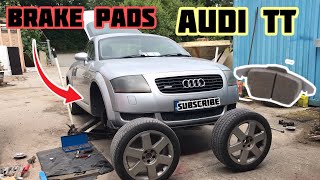
- Brake Warning Light: Many TT models are equipped with brake pad wear sensors. When the pads are low, a sensor embedded in the pad makes contact with the rotor, triggering a warning light on your dashboard. 🎬 Watch a quick demonstration of replacing Audi TT front brake pads.
- Vibration or Pulsing: If you feel a pulsing or vibration through the brake pedal or steering wheel when you brake, it could mean your brake rotors are warped, often from excessive heat or uneven pad wear.
- Spongy or Soft Brake Pedal: A brake pedal that feels less firm than usual can indicate a problem in the hydraulic system, possibly related to worn pads or old brake fluid.
Choosing the Right Aftermarket Brake Pads
Aftermarket brake pads offer a wider range of options than the original equipment manufacturer (OEM) parts. You can choose pads that are a direct replacement for the stock pads or upgrade for better performance or less dust. For the TT Quattro, pads are generally available in two main types: ceramic and semi-metallic.
| Pad Type | Pros | Cons |
|---|---|---|
| Ceramic | Low dust, quiet operation, good for daily driving. | Can have less initial "bite" than semi-metallic pads. |
| Semi-Metallic | Excellent heat dissipation, strong initial bite, great for performance driving. | Can be noisier and produce more brake dust than ceramic pads. |
Brand Tiers for Your TT Quattro
With so many brands available, it helps to group them by quality and intended use. Owner forums and mechanic recommendations provide a good consensus on which brands work well for the Mk1 TT.
- Premium / OEM-Equivalent: These brands are often the original suppliers to Audi and offer similar or identical quality to the parts you'd get from a dealer. They provide a reliable, factory-like feel. Brands in this tier include Textar, Pagid, ATE, Brembo, and Zimmermann. Many owners find these offer a great balance of performance and value.
- Performance / Enthusiast: For drivers who want more aggressive stopping power for spirited street driving or occasional track days. These pads often have a higher friction level but may produce more dust and noise as a trade-off. Popular choices include Hawk (HPS, HP Plus), EBC Brakes (Redstuff, Yellowstuff), and StopTech. EBC Redstuff pads are a common upgrade for their low dust and good performance, while Hawk HPS pads are praised for their strong bite.
- Daily Driver / Value: These brands provide safe, reliable stopping power for everyday commuting at an affordable price. They are a good choice for drivers who prioritize cost-effectiveness. This category includes brands like Bosch, Centric, Wagner, and Raybestos.
Pro Tip: Many Audi TT owners complain about the large amount of brake dust from original factory pads. Switching to a quality aftermarket ceramic pad from a brand like Akebono, ATE, or Hawk can significantly reduce the amount of dust on your wheels without sacrificing daily driving performance.
Known Issues, Recalls, and TSBs
The 2000-2007 Audi TT Quattro has not had any major recalls specifically for its brake pads. However, there was a recall for certain aftermarket Cardone-brand master cylinders that could leak fluid, but this did not involve original equipment. A Technical Service Bulletin (TSB) from Audi notes that rust or pad material transfer can occur on rotors if the vehicle sits for a long time, especially in humid conditions, which can cause vibration. Additionally, some owners report that caliper slide pins can seize, causing pads to wear unevenly or drag. Regular cleaning and lubrication of these pins during a brake job is essential.
Frequently Asked Questions (FAQ)
Do I need to replace my rotors at the same time as my pads?
It is highly recommended. While not always strictly necessary if the rotors are in excellent condition, installing new pads on old or worn rotors can lead to noise, vibration, and reduced pad life. Most mechanics advise replacing pads and rotors together for the best performance and safety.
What are brake wear sensors?
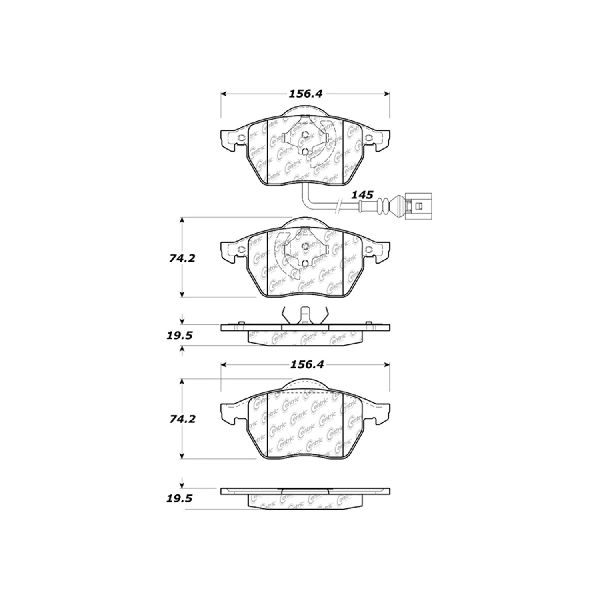
A brake wear sensor is a small electronic sensor attached to the brake pad. When the pad wears down to a certain level, the sensor makes contact with the metal brake rotor, completing an electrical circuit and illuminating a warning light on your dashboard. Not all wheels on the TT have a sensor, so check your specific setup before ordering parts.
What is "bedding-in" new brake pads?
Bedding-in is the process of breaking in new pads and rotors. It involves a series of controlled stops to transfer an even layer of friction material from the pad to the rotor. This process ensures smooth, quiet, and powerful braking. Always follow the manufacturer's specific bed-in procedure for your new pads.
Do I need special tools to change the brake pads on my TT Quattro?
For the most part, standard hand tools are sufficient. 🎬 See a beginner's guide to changing front brake pads on a TT. However, for the rear brakes, you will need a special brake caliper wind-back tool to retract the piston into the caliper, as it screws back in rather than just pushes. These tools are widely available and essential for doing the job correctly.
Helpful Videos
Technical Specifications
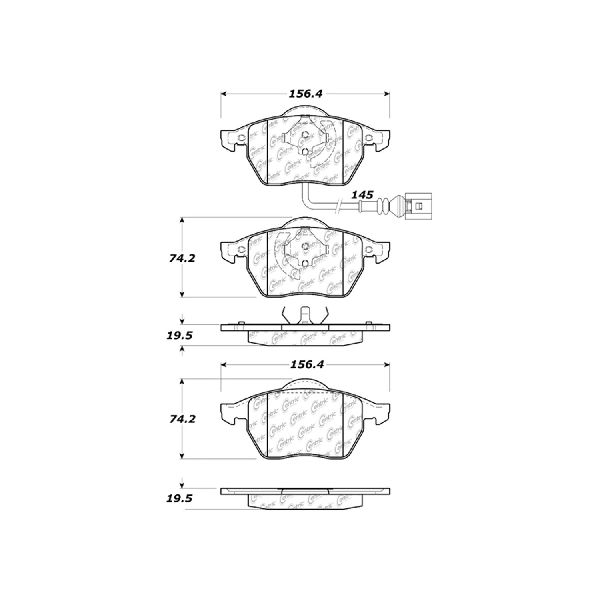
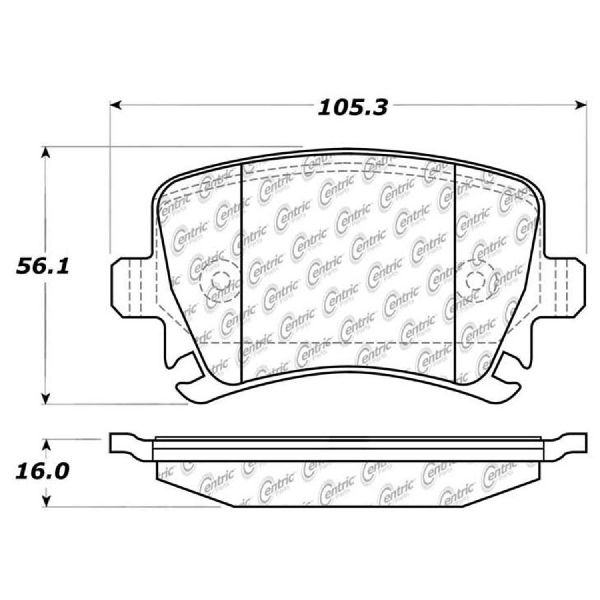
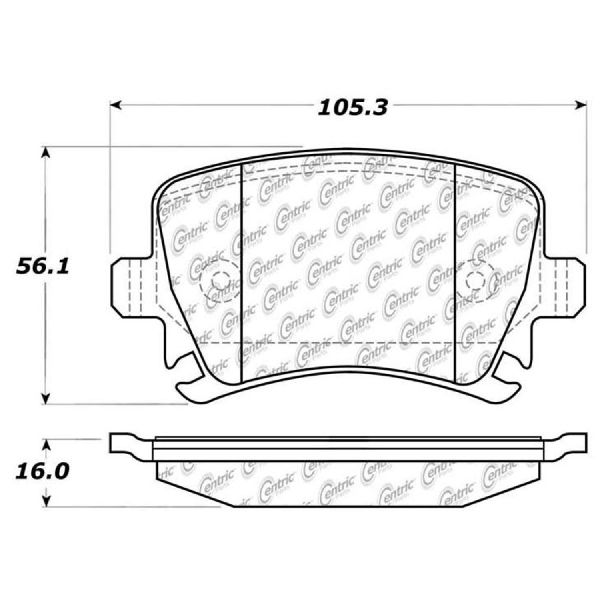
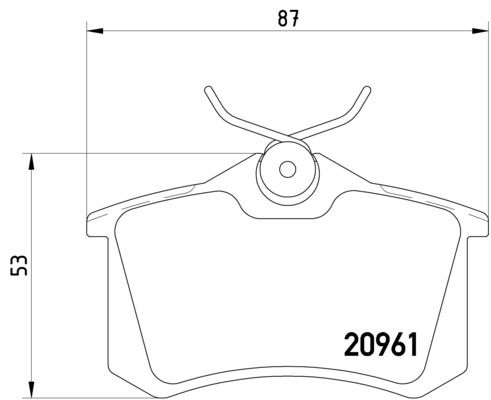
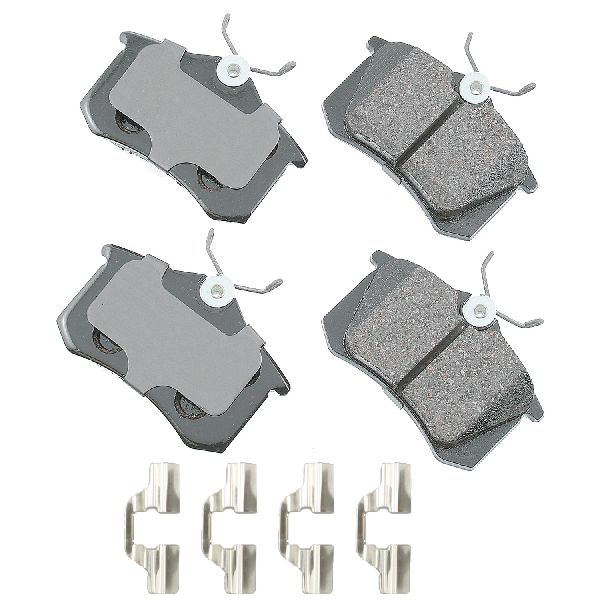
Brake pad sets can be made of ceramic or semi-metallic compounds. Some models require brake wear sensors. The rear calipers require a tool to retract the piston.
We Have This Part in Stock

The information in this article is provided for general reference and educational purposes only. Vehicle specifications, procedures, and part compatibility can vary by production date, trim level, and region. Always consult your vehicle's factory service manual and verify part numbers before purchasing or performing repairs. Safety-critical components such as airbags, seat belts, and braking systems should be installed by a qualified professional.
- Audi TT Quattro: