

Engine Coolant Thermostat Guide for the 2000-2007 Audi TT Quattro
Keep your TT's 1.8T engine running at the perfect temperature by understanding and choosing the right thermostat.
- The most common failure is the thermostat sticking open, causing the engine to run too cool and triggering a P0128 code.
- Due to difficult labor, always replace the brittle plastic thermostat housing at the same time as the thermostat.
- Choose a high-quality OEM or OEM-equivalent brand like Mahle or Behr to avoid premature failure and repeating the repair.
- If the engine is overheating, stop driving immediately to prevent severe engine damage.
Is Your Audi TT Thermostat Failing?


A thermostat failure in the first-generation (Mk1) Audi TT is a common issue as these cars age. The failure usually happens in one of two ways: stuck open or stuck closed. A stuck-open thermostat is the most common problem and is often the cause of a check engine light.
Symptoms of a Failing Thermostat
- Engine Takes Too Long to Warm Up: If your temperature gauge stays on the cold side for a long time or never reaches the middle 90°C (195°F) mark during normal driving, your thermostat is likely stuck open.
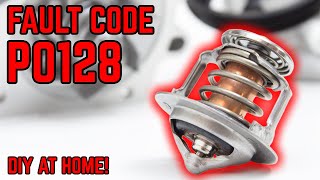
- Check Engine Light with Code P0128: This is a very common code indicating the engine's coolant temperature is below the thermostat's regulating temperature. The car's computer expects the engine to warm up in a certain amount of time, and when it doesn't, it triggers this code. 🎬 See this breakdown of causes and fixes for code P0128.
- Poor Heater Performance: The heater in your car uses hot coolant to warm the cabin. If the engine isn't getting hot enough, you'll notice weak or lukewarm air from your vents, especially in winter.
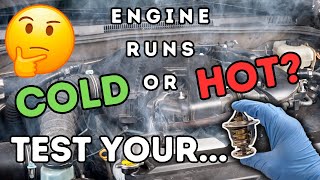
- Engine Overheating: This is a more serious but less common symptom. If the thermostat sticks closed, coolant can't get to the radiator to be cooled, causing the engine to overheat quickly. The temperature gauge will shoot into the red. 🎬 Watch: How to diagnose symptoms and test a bad thermostat. If this happens, pull over and shut off the engine immediately to prevent severe damage.
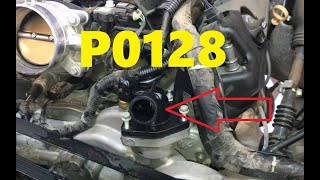
- Coolant Leaks: The thermostat is housed in a plastic flange connected to the engine. Over time, this plastic can become brittle, crack, and leak coolant. Leaks are a sign that the housing needs to be replaced.
The Plastic Housing is a Weak Point
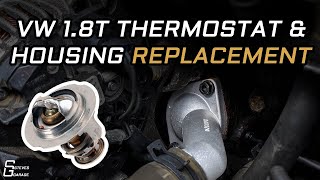
The original thermostat housing on the 1.8T engine is made of plastic that becomes very brittle with age and heat cycles. It is extremely common for it to crack or break during a thermostat replacement, or fail on its own. It is highly recommended to replace the plastic housing (part number 06A121121C) along with the thermostat itself.
Choosing the Right Aftermarket Thermostat

Because replacing the thermostat is a labor-intensive job due to its location, choosing a quality part is critical to avoid doing the work twice. While saving money is tempting, a cheap, unreliable thermostat can fail quickly.
Brand Quality Tiers
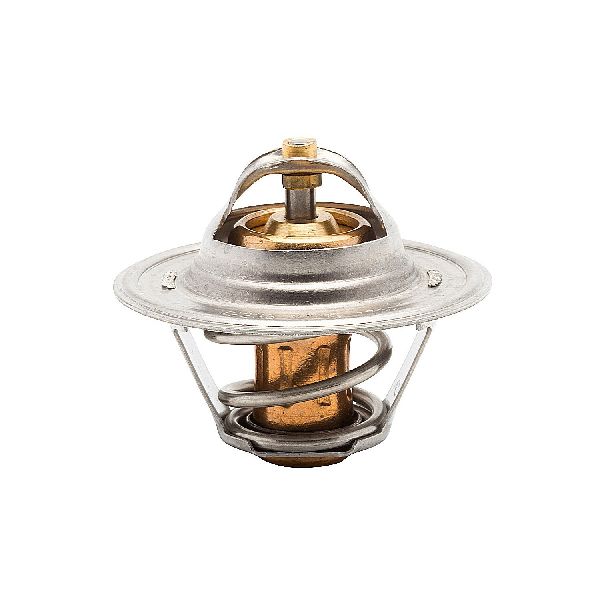
- Tier 1: OEM & OEM-Equivalent Brands (Recommended): These brands are known to manufacture parts for Audi or have a reputation for equivalent quality. For a critical part like this, spending a little more is wise. Look for brands like Mahle, Behr, or Wahler. Many owners recommend buying an OEM part directly from a dealer to guarantee fit and function.
- Tier 2: Reputable Aftermarket Brands: These brands are well-known and generally produce reliable parts. Stant and Gates fall into this category. While many have success with these, some users in forums have reported occasional issues with temperature regulation compared to OEM.
- Tier 3: Economy Brands: This includes house brands and other lower-cost options like Motorad. While they are budget-friendly, they have a higher risk of inconsistent performance or premature failure. Given the high cost of labor for this repair, these brands are not recommended.
Pro Tip: Always buy a thermostat that includes a new O-ring or gasket to ensure a proper seal against the housing.
Cost of Replacing Your Audi TT Thermostat
The cost consists of the part itself and the labor to install it. Labor is the most expensive part of the job.
| Item | Estimated Cost |
|---|---|
| Aftermarket Thermostat & Housing Kit | $25 - $80 |
| OEM Thermostat & Housing Kit | $70 - $120 |
| Shop Labor | $250 - $500 |
| Total Estimated Cost (Shop Repair) | $275 - $620 |
Frequently Asked Questions

Can I drive with a bad thermostat?
If it's stuck open (engine running cool), you can drive short distances, but you should get it fixed soon to avoid poor fuel economy and long-term engine wear. If it's stuck closed (engine overheating), do NOT drive the car. You risk catastrophic engine damage like a warped cylinder head.
Why is the replacement so expensive if the part is cheap?
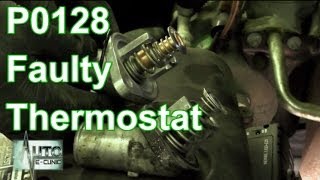
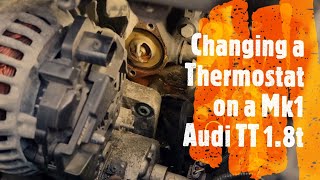
The thermostat is located in a very tight spot on the engine block, behind the alternator. To access it, a mechanic must remove several other components, which takes 2-4 hours of labor. 🎬 Watch: A step-by-step walkthrough of the Mk1 TT replacement process. The high labor cost is why it's so important to use a quality part.
Do I have to replace the plastic housing too?
Yes, it is strongly recommended. The original plastic housing becomes extremely brittle over time and is likely to crack or fail soon, if it doesn't break during the repair itself. Replacing both at the same time saves you from having to pay for the same difficult labor twice.
What coolant should I use for my Audi TT?
You must use a phosphate-free, silicate-free coolant designed for Volkswagen/Audi engines, typically G12 (pink/purple) or G13 (purple). Do not mix it with generic green or orange coolants, as this can cause sludge and damage the cooling system.
Helpful Videos

Technical Specifications
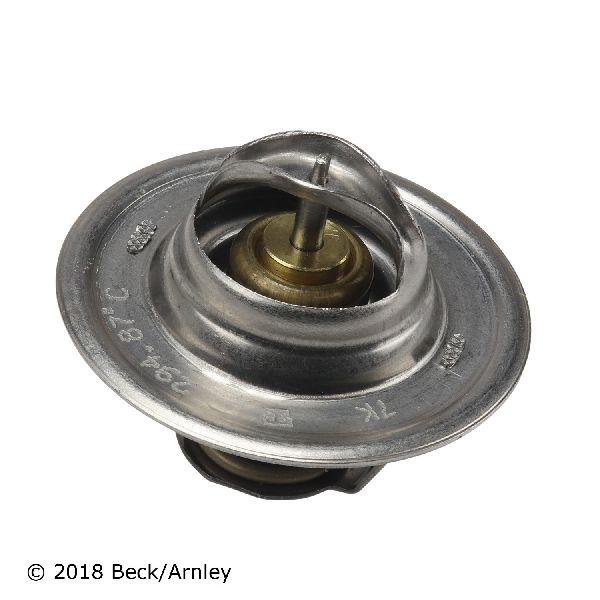
OEM Part Numbers: 050121113C 06A121121C
Standard opening temperature: 87° Celsius (195° Fahrenheit)
We Have This Part in Stock


The information in this article is provided for general reference and educational purposes only. Vehicle specifications, procedures, and part compatibility can vary by production date, trim level, and region. Always consult your vehicle's factory service manual and verify part numbers before purchasing or performing repairs. Safety-critical components such as airbags, seat belts, and braking systems should be installed by a qualified professional.
- Audi TT Quattro: