

Essential Guide to the 2000-2007 Audi TT Quattro 1.8T Timing Belt Kit
Understanding the most critical service for your Audi TT's 1.8T interference engine to prevent catastrophic failure.
- Replace the complete timing belt kit every 75,000 miles or 7 years, whichever comes first, to prevent catastrophic engine failure.
- Always choose a kit that includes a water pump with a metal or upgraded composite impeller to fix the common factory weak point.
- Use high-quality kits from OEM suppliers like Continental, Gates, or INA for maximum reliability.
- Due to the complexity and risk of engine damage, this job is best left to a professional mechanic with experience on Audi/VW engines.
The Most Important Service for Your TT Quattro

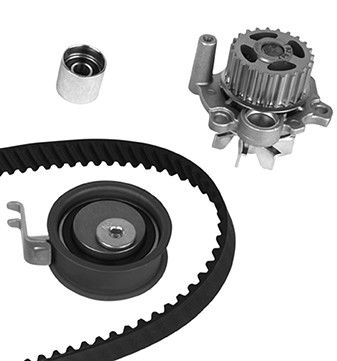
If you own a first-generation Audi TT with the 1.8T engine, the timing belt service is the single most important piece of preventative maintenance you can perform. Neglecting this service is a costly gamble. The 1.8T is an "interference" engine, meaning if the belt snaps, the pistons will strike the valves, causing thousands of dollars in engine damage. This guide covers the essential information you need when shopping for a replacement timing belt kit with a water pump.
When to Replace Your Timing Belt Kit
While original service books may have suggested longer intervals, the currently accepted recommendation for the 1.8T engine is to replace the complete timing belt kit every 75,000 miles or every 7 years, whichever comes first. The rubber belt degrades over time from heat and exposure, so the age-based interval is just as critical as the mileage.
Symptoms of a Failing Timing Belt or Water Pump

A timing belt can snap without any prior warning. However, the components in the kit, especially the water pump and tensioner, will often show signs of wear before a complete failure.
- Coolant Leaks: This is the most common sign of a failing water pump. You may notice puddles of pink or green fluid under the front of your engine.
- Engine Overheating: If the temperature gauge climbs into the red, the water pump may not be circulating coolant properly. Stop driving immediately to prevent engine damage.
- Whining or Grinding Noises: A high-pitched whine or grinding sound from the front of the engine can indicate failing bearings in the water pump or one of the belt tensioner pulleys.
- Ticking Sounds: A rhythmic ticking noise from the timing belt area could be a sign of a failing belt tensioner.
Choosing the Right Aftermarket Kit: Brand Quality Tiers

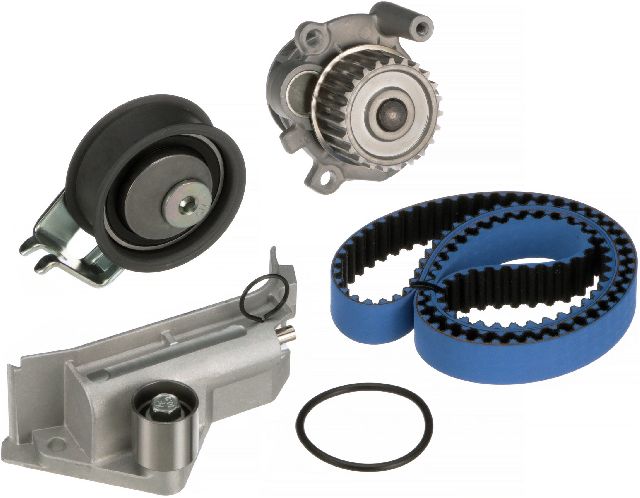
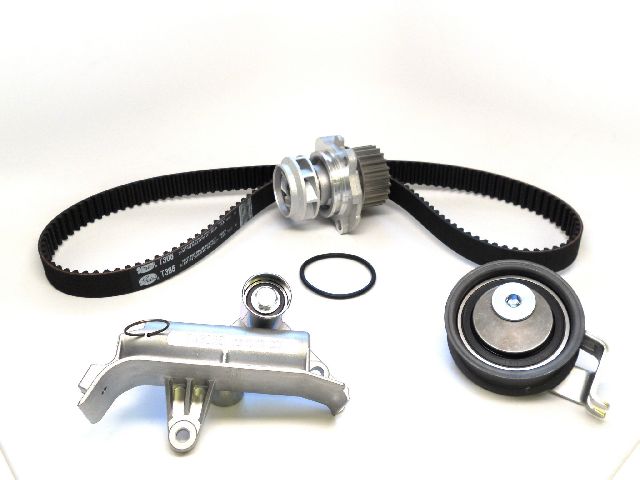
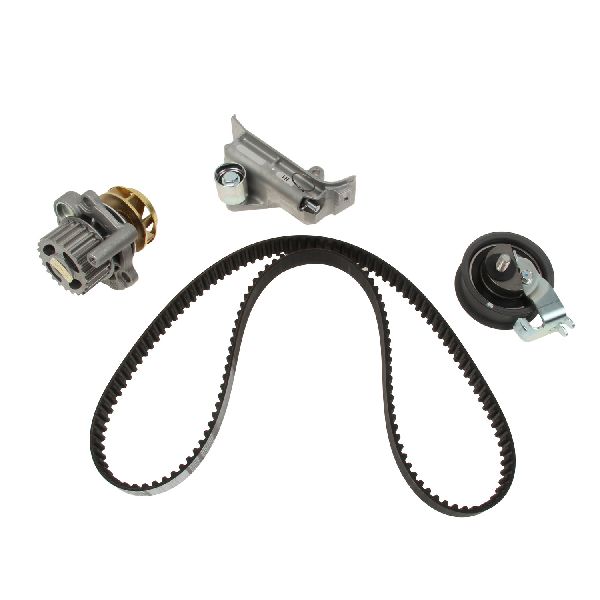
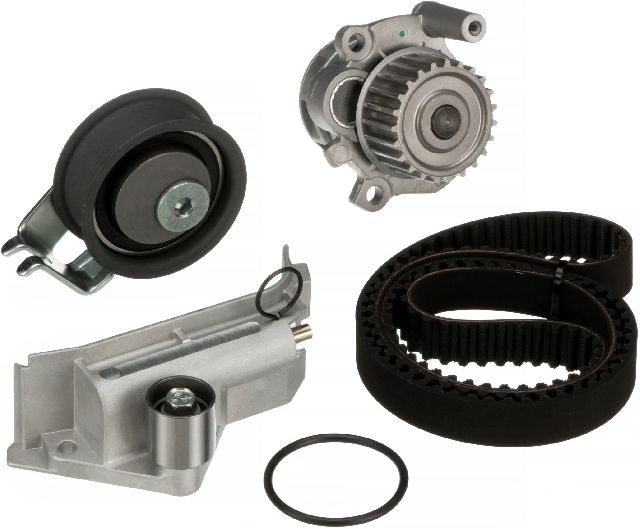
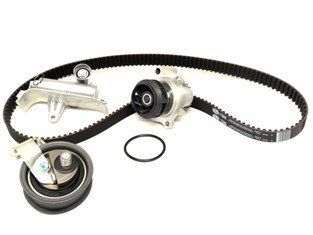
The high labor cost for this job means you should not cut corners on part quality. Always buy a complete kit that includes the belt, tensioner(s), idler pulley(s), and a water pump with gaskets.
Tier 1: OEM-Quality Brands
These brands are known original equipment suppliers to Audi and other German manufacturers. You can expect factory-level quality and reliability.
- Continental (ContiTech): Widely considered an OEM supplier for Audi belts. A Continental kit is one of the safest choices for reliability and fit.
- Gates: Another top-tier OEM supplier. Gates kits are highly regarded, and they even offer high-performance "Racing" belts for modified engines.
- INA: While INA doesn't make its own belts, they are a top OEM supplier of tensioners and pulleys. Their kits typically include a Continental or Gates belt and are trusted by mechanics.
Tier 2: Reputable Aftermarket Brands
These brands have a strong reputation in the European car community and are known for producing quality components, especially water pumps.
- Hepu & Graf: Both are well-known German brands famous for their high-quality water pumps, often featuring the desirable metal impeller. A kit from either is a solid choice.
Tier 3: Standard Aftermarket Brands
These brands offer a balance of value and performance.
- Dayco: A major belt manufacturer, though some mechanics find their belts to be stiffer and more difficult to install than Continental or Gates. Their quality is generally considered reliable for daily use.
- US Motor Works: This brand offers a budget-friendly option, but has less of a proven track record in the Audi community compared to the German brands.
Pro Tip: Insist on a Metal Impeller Water Pump
The original water pumps on many 1.8T engines came with a plastic impeller that can become brittle and break apart over time, leading to overheating and potential timing belt failure. When buying a kit, ensure it includes a water pump with a more durable metal or upgraded composite impeller. This is a well-known and critical upgrade.
Known Issues, Recalls, and Service Bulletins
There have been no major recalls for the timing belt system on the 2000-2007 Audi TT. However, Audi did settle a class-action lawsuit for 2000-2003 models due to timing belt component failures, which resulted in a temporary warranty extension that has since expired. This history underscores the importance of using high-quality replacement parts. Additionally, a recall was issued in 2014 for specific aftermarket Gates water pumps sold through NAPA auto parts, as their pulleys were at risk of fracturing.
| Part Type | Estimated Cost |
|---|---|
| New Aftermarket Kit | $144 - $372 |
| New OEM Kit | $550 - $861 |
| Shop Labor | $600 - $1,300+ |
| Total Professional Job (Aftermarket) | $750 - $1,672 |
Frequently Asked Questions (FAQ)

What happens if my timing belt breaks?
Because the 1.8T is an interference engine, a broken timing belt will cause the pistons to collide with the engine's valves. This results in catastrophic engine damage, including bent valves, damaged pistons, and a damaged cylinder head, often requiring a complete engine rebuild or replacement.
🎬 See this breakdown of the damage from a failed beltDo I really need to replace the water pump with the belt?
Yes, absolutely. The water pump is driven by the timing belt and the labor to access it is identical. Water pumps have a similar service life to the belt, and a seized water pump will cause the new belt to fail. Replacing it as part of a kit is cheap insurance against having to do the entire job twice.
What else should I replace during the timing belt service?
It is wise to also replace the main serpentine/accessory belt that runs the alternator and A/C. Mechanics also recommend replacing the thermostat and inspecting for common oil leaks from the valve cover gasket and camshaft chain tensioner gasket, as these are easy to access during the service.
🎬 Watch: How to fix other common 1.8T engine problemsCan I install a timing belt kit myself?
This is not a job for a beginner. It requires special tools to lock the engine in time, a good understanding of engine mechanics, and significant disassembly of the engine bay. Mistakes can lead to immediate and severe engine damage. For most owners, professional installation is strongly recommended.
🎬 Watch: A beginner-friendly guide to the 1.8T cambelt changeHelpful Videos
![Fix Common 1.8T Engine Problems VW Audi Skoda Seat [VAG Engine Guide]](https://img.youtube.com/vi/V7OYmA3fvUU/mqdefault.jpg)
Technical Specifications
OEM Part Numbers: 06B198119A 06B198479
This guide applies to the 1.8L 20-valve turbocharged (1.8T) engine used in the 2000-2007 Audi TT Quattro. It does not apply to the 3.2L VR6 engine, which uses a timing chain.
We Have This Part in Stock

The information in this article is provided for general reference and educational purposes only. Vehicle specifications, procedures, and part compatibility can vary by production date, trim level, and region. Always consult your vehicle's factory service manual and verify part numbers before purchasing or performing repairs. Safety-critical components such as airbags, seat belts, and braking systems should be installed by a qualified professional.
- Audi TT Quattro:
- 🎬 Helpful Videos
- 🛍️ Shop This Part
- The Most Important Service for Your TT Quattro
- When to Replace Your Timing Belt Kit
- Symptoms of a Failing Timing Belt or Water Pump
- Choosing the Right Aftermarket Kit: Brand Quality Tiers
- Tier 1: OEM-Quality Brands
- Tier 2: Reputable Aftermarket Brands
- Tier 3: Standard Aftermarket Brands
- Pro Tip: Insist on a Metal Impeller Water Pump
- Known Issues, Recalls, and Service Bulletins
- Frequently Asked Questions (FAQ)
- 🎟️ Get 5% Off