

A Guide to Replacing the Oxygen Sensor on Your 2000-2007 Audi TT Quattro
Fix that check engine light and restore lost fuel economy by choosing the right oxygen sensor for your Mk1 TT.
- Bosch is the original equipment (OEM) supplier; choosing a direct-fit Bosch sensor is a reliable and cost-effective option.
- You must confirm your engine (1.8T vs 3.2L) and sensor position (upstream vs downstream) before ordering.
- For 1.8T models, visually check your connector type (4-pin vs 6-pin) to avoid ordering the wrong part.
- Ignoring a bad O2 sensor can lead to expensive catalytic converter damage over time.
Signs of a Failing Oxygen Sensor

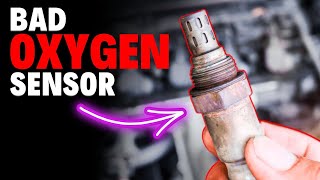
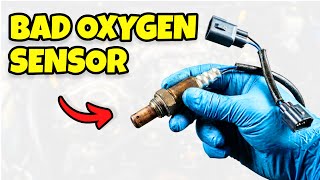
When an oxygen sensor starts to fail on your TT, it can't send accurate information to the engine's computer. This can cause a number of noticeable problems. The most common sign is a Check Engine Light on your dashboard. You might also experience a significant drop in fuel economy, a rough or unstable idle, hesitation or sluggish acceleration, and in some cases, a smell of rotten eggs from the exhaust. 🎬 Watch: A visual guide to common bad oxygen sensor symptoms. A faulty sensor will also cause your vehicle to fail an emissions test.
Don't Ignore a Bad O2 Sensor
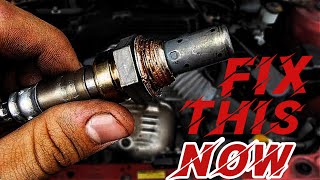
While you can technically drive with a bad oxygen sensor, it's not recommended. Continuously running a rich fuel mixture can cause unburnt fuel to overheat and damage your catalytic converter, a much more expensive repair than replacing the sensor itself.
Choosing the Right Aftermarket Sensor

When shopping for a new oxygen sensor, you have several options. For a German vehicle like the Audi TT, choosing a quality brand is important for compatibility and longevity.
Brand Quality Tiers
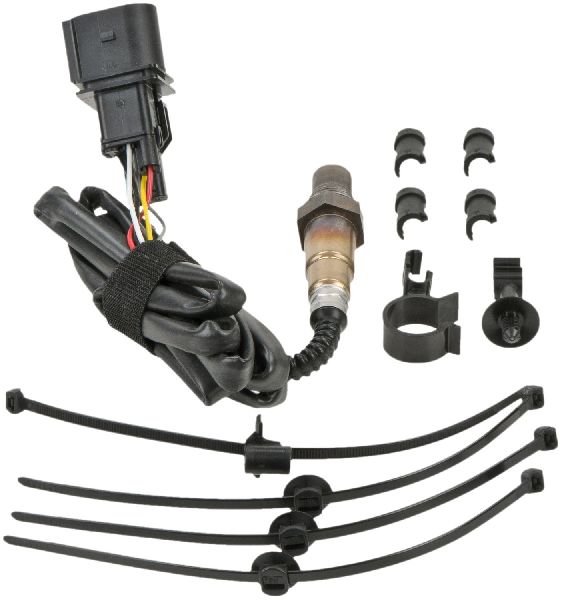
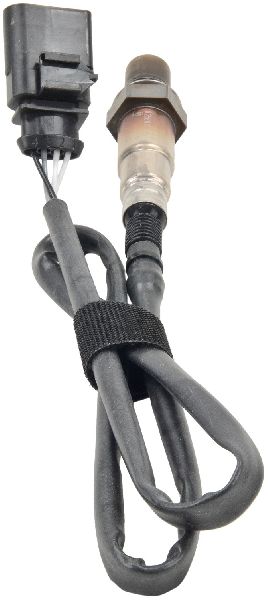
- OEM-Tier (Recommended): Bosch is the original equipment manufacturer (OEM) for most Audi vehicles from this era. Choosing a Bosch sensor is the closest you can get to the original part without the dealership price tag. NGK/NTK and Denso are also top-tier brands with excellent reputations for quality and reliability, often considered equal to OEM.
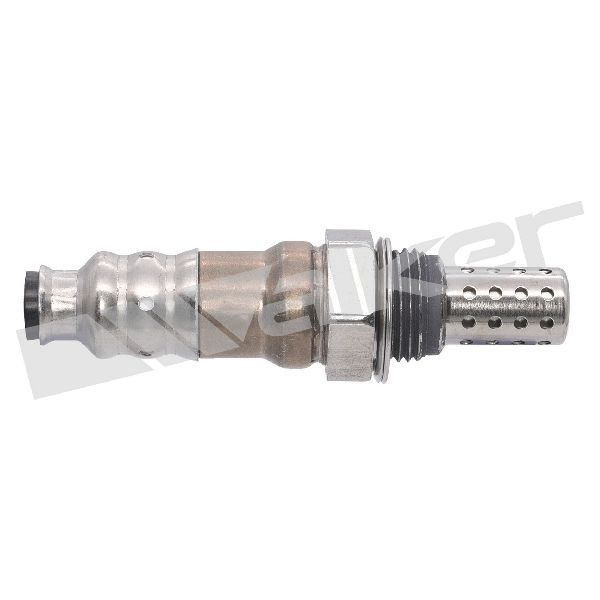
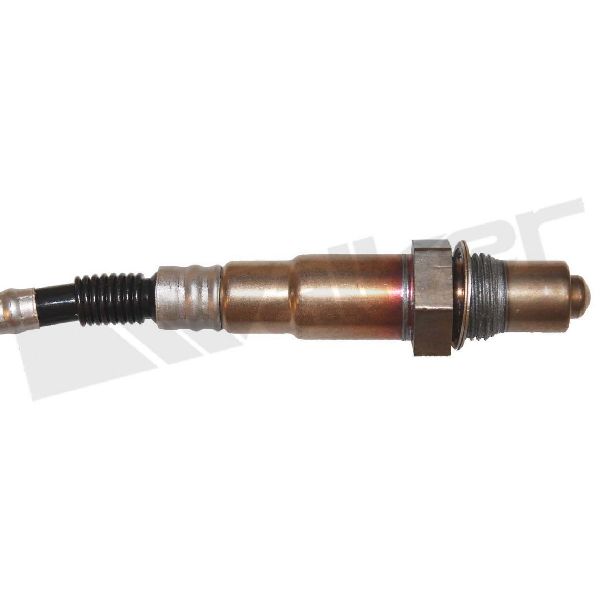
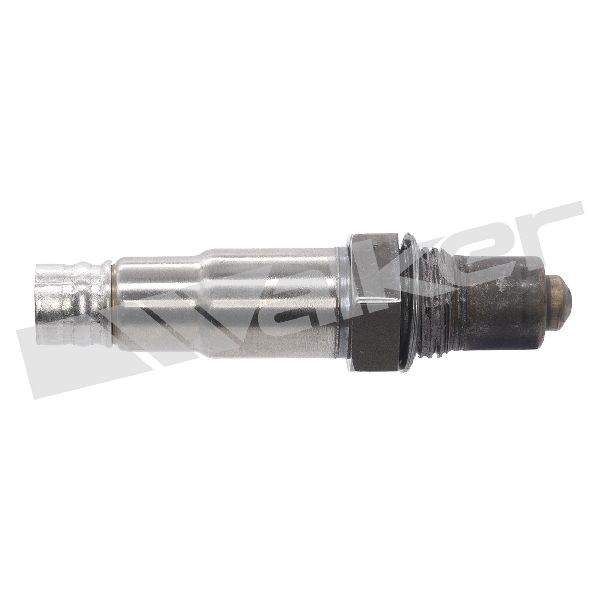
- Professional-Grade Aftermarket: Brands like Delphi and Walker Products are established aftermarket manufacturers that offer a good balance of quality and price. They are a solid choice for a reliable repair.
- Budget-Friendly: Brands such as DriveWire, Facet, and Spectra offer parts at a lower price point. While tempting, be aware that sensor technology is precise, and these may not offer the same longevity or exact performance as higher-tier brands.
Always Choose Direct-Fit
Oxygen sensors are available in "universal" and "direct-fit" styles. Always choose a direct-fit sensor. These come with the correct electrical connector and wire length for your TT, making installation simple and reliable. Universal sensors require you to cut and splice wires, which can lead to connection problems down the road.
Common Ordering Mistakes for the TT Quattro

The Mk1 TT Quattro used different engines and had running changes. Before ordering, you must confirm:
- Engine Type: Is your car a 1.8T or the 3.2L VR6 (available from 2003)? They use different sensors.
- Sensor Position: Do you need the upstream (pre-catalyst, Bank 1 Sensor 1) or downstream (post-catalyst, Bank 1 Sensor 2) sensor? They are not interchangeable. The upstream sensor is closer to the engine, while the downstream is after the catalytic converter.
- Engine Code (1.8T): The 1.8T engine came in several codes (e.g., AMU, BEA, AWP). Some later models use a wideband upstream sensor with a different connector (6-pin vs 4-pin). It is critical to visually inspect your current sensor's connector 🎬 See this walkthrough for replacing an upstream sensor on a BEA engine. before buying a replacement.
Cost of Replacing an Oxygen Sensor
| Part Type | Estimated Cost |
|---|---|
| New Aftermarket (Budget) | $38 - $75 |
| New Aftermarket (OEM-Tier) | $90 - $192 |
| New OEM (Dealer) | $240 - $340+ |
| Shop Labor | $120 - $250 |
Frequently Asked Questions

How many oxygen sensors does my 2000-2007 TT Quattro have?
If you have the 1.8T 4-cylinder engine, your car has two oxygen sensors: one upstream and one downstream. 🎬 Watch: How to install a post-cat downstream sensor on a TT. If you have the 3.2L V6 engine, you have four sensors: two upstream and two downstream (one for each engine bank).
Can I clean my oxygen sensor instead of replacing it?
No. While some online sources suggest cleaning, it is not a reliable or long-term fix. The sensing element degrades over time and cannot be restored by cleaning. Replacement is the only proper solution to ensure correct performance.
Do I need a special tool for the job?
Yes, it is highly recommended to use an oxygen sensor socket. This is a special deep socket with a cutout on the side for the sensor's wire to pass through. Using a standard wrench can be difficult and may damage the old or new sensor.
Were there any recalls for the TT Quattro oxygen sensor?
No. Searches of the National Highway Traffic Safety Administration (NHTSA) database show no recalls specifically related to oxygen sensors for the 2000-2007 Audi TT.
Helpful Videos
Technical Specifications
OEM Part Numbers: 06A906262AS 1K0998262T 06A906262AD
Number of sensors: 2 (1.8T) or 4 (3.2L). Type: Heated, 4-wire or 5/6-wire wideband (upstream, some 1.8T models). Thread size: 18mm. Wrench size: 22mm.
We Have This Part in Stock


The information in this article is provided for general reference and educational purposes only. Vehicle specifications, procedures, and part compatibility can vary by production date, trim level, and region. Always consult your vehicle's factory service manual and verify part numbers before purchasing or performing repairs. Safety-critical components such as airbags, seat belts, and braking systems should be installed by a qualified professional.
- Audi TT Quattro: