

Audi TT Quattro (2000-2007) Radiator Replacement Guide
Keep your TT's engine cool and prevent overheating by understanding common radiator issues and choosing the right replacement.
- The original radiator's plastic end tanks are the most common failure point, leading to leaks.
- Overheating isn't always the radiator; check fans, sensors, and the thermostat before replacement.
- For most owners, a quality OEM-style replacement from a brand like Valeo or Nissens is the best choice.
- Always replace the thermostat and consider replacing hoses at the same time as the radiator.
Common Failures on the MK1 Audi TT Quattro
The most common point of failure for the original radiator in the 2000-2007 Audi TT is not the metal core, but the plastic end tanks crimped onto the sides. Over years of heat cycles, this plastic becomes brittle and can develop hairline cracks or completely separate from the aluminum core. This typically results in coolant leaks, which are often visible as pink or purple crusty residue or active drips on the driver or passenger side of the radiator.
Is It Really the Radiator?
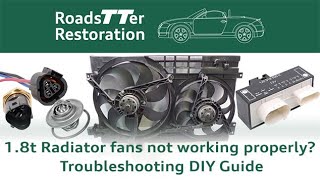
Overheating in a MK1 TT isn't always the radiator's fault. Before ordering a new one, check other common failure points in the cooling system. The radiator fans, fan control module, coolant temperature 🎬 See how to diagnose and replace the fan control module sensors, and the thermostat are all known to fail and can produce similar overheating symptoms. A mechanic can perform a pressure test on the cooling system to confirm if the radiator is the source of a leak.
Choosing the Right Aftermarket Radiator
When shopping for a new radiator, you have several options that can be grouped into different quality tiers. Your choice depends on your budget and how you use your TT.
Tier 1: OEM-Quality Replacements
These brands are often original equipment manufacturers for Audi and other German brands. They provide excellent fit and performance for a daily driven vehicle. They typically feature an aluminum core with high-quality plastic end tanks, similar to the original design but made with modern, more durable materials.
- Valeo: A well-respected OEM supplier known for excellent fit and quality.
- Nissens: Another top-tier OEM supplier with a strong reputation for reliability.
- Mahle/Behr: Often the original part manufacturer for Audi. A Mahle or Behr branded part is equivalent to dealer quality.
- Denso: A major OEM supplier known for its high-quality components.
Tier 2: Performance All-Aluminum Radiators
For modified, high-horsepower, or track-driven TTs, an all-aluminum radiator is a popular upgrade. These eliminate the failure-prone plastic end tanks by using welded aluminum ones instead. They often have a thicker core for increased coolant capacity and improved heat dissipation.
- Mishimoto: A very popular brand offering direct-fit all-aluminum radiators. They offer a lifetime warranty, but some owners in various car communities have reported leaks developing over time.
- CSF Radiator: Known for both OEM-style and all-aluminum performance radiators. While generally considered high quality, some users have also reported long-term durability issues with leaks on their performance models.
Pro Tip: While an all-aluminum radiator offers peace of mind against cracked plastic, the stock cooling system is quite efficient for a non-modified car. A high-quality OEM-style replacement from a brand like Valeo or Nissens is often more than adequate for daily driving.
Tier 3: Budget-Friendly Options
These brands offer a lower price point, making them accessible for immediate repairs on a tight budget. While they will function, they may not offer the same precise fitment or long-term durability as higher-tier brands.
- APDI
- Spectra
- Global Parts
- Onix
- One Stop Solutions
Cost of Replacing a 2000-2007 Audi TT Quattro Radiator
| Part Type | Estimated Cost |
|---|---|
| New Aftermarket Radiator | $86 - $358 |
| New OEM Radiator | $350 - $500 |
| Shop Labor | $360 - $600 |
| Total (Aftermarket Part + Labor) | $446 - $958 |
Cost estimates are for parts and labor and may vary by location and shop.
Frequently Asked Questions (FAQ)
Do I need to use special coolant in my Audi TT?
Yes. The Audi TT requires a specific phosphate-free, silicate-based coolant, typically G12, G12++, or G13. Using the wrong type of coolant (like the common green or orange stuff) can cause corrosion and damage to the cooling system components. Always check your owner's manual or the coolant reservoir cap for the correct specification.
Is replacing the radiator a good DIY project?
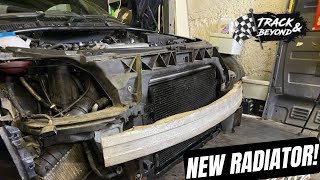
For an experienced DIYer, yes. The process involves draining the coolant, disconnecting hoses, and removing the fan shroud and radiator assembly. Removing the front bumper provides much better access and is recommended. The biggest challenge 🎬 Watch: Step-by-step guide to replacing the radiator on a Mk1 TT is properly bleeding the air out of the system afterward; using a vacuum-fill tool is highly recommended to avoid air pockets that can cause overheating.
Should I replace my radiator hoses and thermostat at the same time?
Absolutely. It's highly recommended. The radiator hoses are exposed to the same age and heat as the radiator and can become soft or brittle. The thermostat is another common failure item that is much easier to access while the cooling system is already drained. Replacing these parts 🎬 Watch: How to remove and replace the 1.8t thermostat at the same time is preventative maintenance that can save you from another cooling system repair down the road.
My car is overheating but I don't see a leak. What could it be?
If there are no visible leaks, the issue could be a stuck thermostat, a failing water pump (the original plastic impellers are known to break), a bad coolant temperature sensor, or a faulty radiator fan/fan control module. The radiator could also be clogged internally, preventing proper coolant flow, though this is less common than an external leak.
Helpful Videos

![Audi TT MK1 8N [Fixing a Coolant / Antifreeze Leak]](https://img.youtube.com/vi/OxdQMm-NIRo/mqdefault.jpg)
Technical Specifications
OEM Part Numbers: 8N0121251 8N0121253L
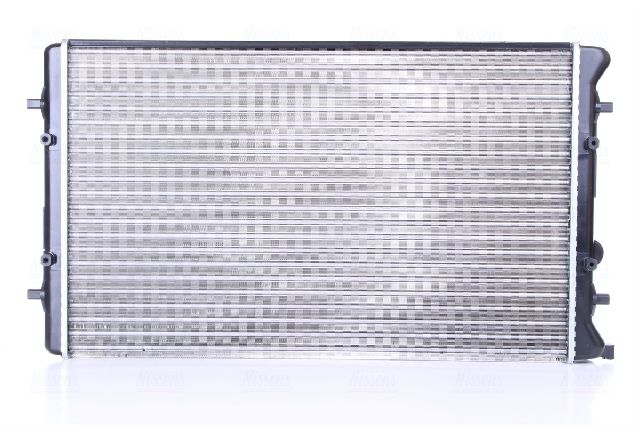
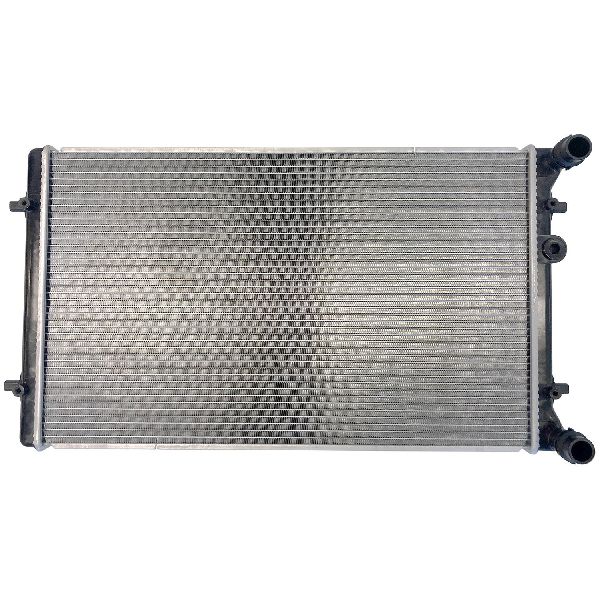
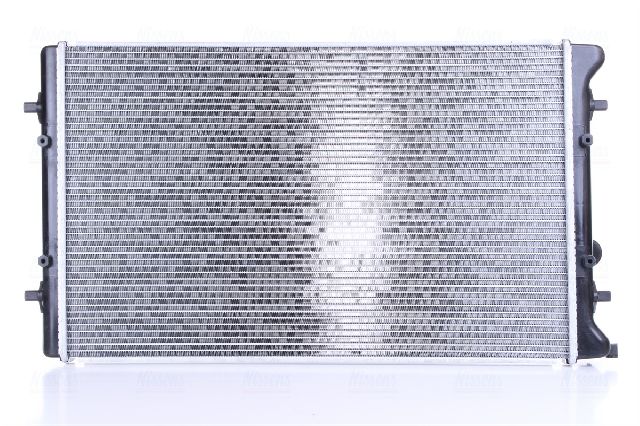
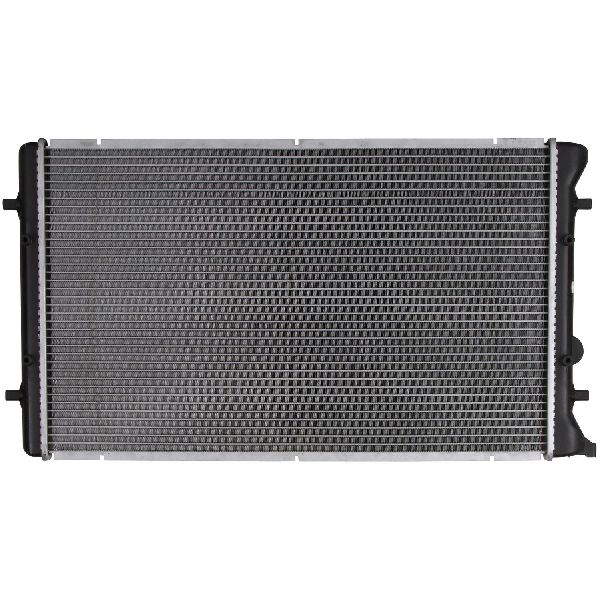
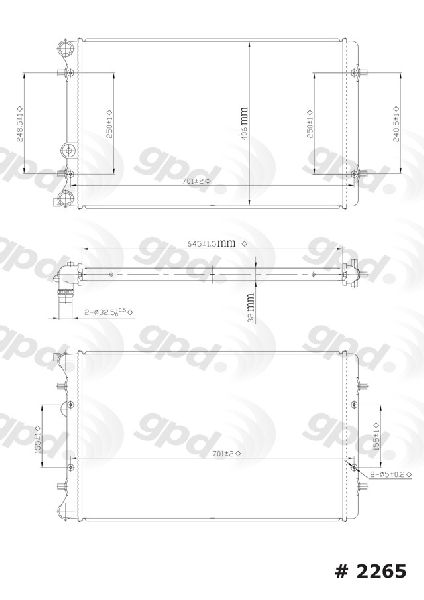
The Audi TT Quattro uses a crossflow radiator design with an aluminum core and plastic end tanks. It is part of a larger assembly that includes the A/C condenser and dual cooling fans. The system requires G12/G13 specification coolant.
We Have This Part in Stock


The information in this article is provided for general reference and educational purposes only. Vehicle specifications, procedures, and part compatibility can vary by production date, trim level, and region. Always consult your vehicle's factory service manual and verify part numbers before purchasing or performing repairs. Safety-critical components such as airbags, seat belts, and braking systems should be installed by a qualified professional.
- Audi TT Quattro:
- 🎬 Helpful Videos
- 🛍️ Shop This Part
- Common Failures on the MK1 Audi TT Quattro
- Is It Really the Radiator?
- Choosing the Right Aftermarket Radiator
- Tier 1: OEM-Quality Replacements
- Tier 2: Performance All-Aluminum Radiators
- Tier 3: Budget-Friendly Options
- Cost of Replacing a 2000-2007 Audi TT Quattro Radiator
- Frequently Asked Questions (FAQ)
- 🎟️ Get 5% Off