

A Guide to the 2000-2007 BMW X5 (E53) Brake Master Cylinder
If your brake pedal feels soft or sinks to the floor, your master cylinder may be the problem.
- A soft or sinking brake pedal is the number one symptom of a failing master cylinder on the E53 X5.
- Braking is a safety-critical system. Driving with a faulty master cylinder is not recommended.
- Choose an OEM supplier brand like ATE or TRW for the best quality and fit.
- The replacement requires a special scan tool to properly bleed the DSC/ABS module, making it a difficult job for most DIYers.
Symptoms of a Failing Brake Master Cylinder
A failing master cylinder is a serious safety issue. The most common failure is internal, where seals inside the cylinder wear out. This allows brake fluid to leak past the piston instead of being forced to the brakes. You may not see an external fluid leak, but you will feel it in the pedal.
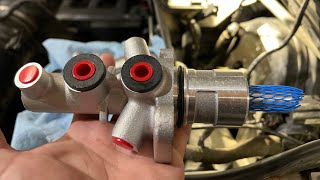
- Spongy or Soft Brake Pedal: This is the most common symptom. The pedal feels mushy and lacks the firm resistance it should have. 🎬 Watch: Troubleshooting a soft brake pedal on your X5.
- Sinking Brake Pedal: When you hold your foot on the brake pedal, it slowly sinks towards the floor. This indicates an internal leak.
- Brake Warning Light: The brake warning light on your dashboard may illuminate due to a drop in hydraulic pressure.
- Contaminated Brake Fluid: If the fluid in the reservoir looks dark brown or black, it could be contaminated by deteriorating rubber seals from inside the master cylinder.
Known Issues, Recalls, or TSBs
While there have been recalls for integrated brake systems on much newer BMW X5 models, searches of the National Highway Traffic Safety Administration (NHTSA) database and technical forums show no specific, widespread recalls or Technical Service Bulletins (TSBs) for the brake master cylinder on the 2000-2007 (E53) BMW X5. Failures on these vehicles are typically due to age and wear of the internal seals.
Choosing the Right Aftermarket Part
When shopping for a new aftermarket master cylinder, it's important to understand the difference between OEM and other aftermarket brands. For a critical safety part like this, quality matters.
Brand Tiers for the E53 X5
- OEM Supplier (ATE, TRW): The original part for your X5 was likely made by ATE or TRW. Choosing a master cylinder from one of these brands is the closest you can get to buying a genuine part from the dealer, but without the high price tag. They are manufactured to the same fit and performance standards as the original. For many owners, this is the recommended choice for reliability and peace of mind.
- Reputable Aftermarket (Centric, Raybestos, Beck Arnley): These brands are well-known in the aftermarket industry. They produce reliable parts that meet or exceed OEM specifications. While not the original supplier, they offer a good balance of quality and price and are a solid choice for a daily-driven X5.
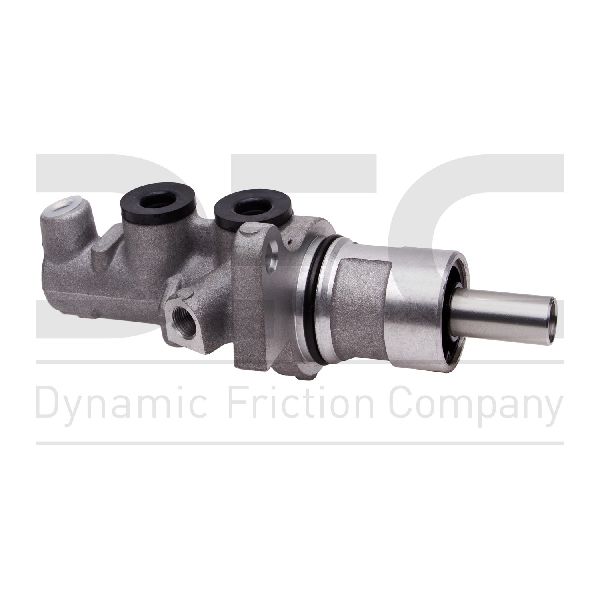
- Budget-Friendly (URO Parts, Dynamic Friction, Replacement): These brands offer the most affordable options. They can be a viable choice for those on a tight budget. However, for a critical brake component, consider the trade-off between initial cost and potential longevity. Some budget brands have improved their quality over the years, but an OEM supplier brand is generally recommended for this part.
Estimated Replacement Costs
The cost to replace the master cylinder can vary significantly based on the part brand you choose and whether you do the work yourself.
| Item | Estimated Cost |
|---|---|
| New Aftermarket Part (Budget) | $70 - $120 |
| New Aftermarket Part (OEM-Supplier) | $200 - $360 |
| New Genuine BMW Part | $450 - $630+ |
| Shop Labor | $250 - $450 |
| Total Professional Replacement | $450 - $810+ |
Frequently Asked Questions (FAQ)
Can I replace the brake master cylinder myself?
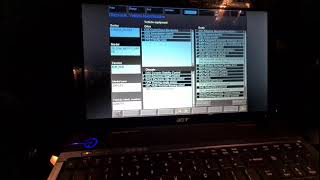
This is a challenging DIY job for the average home mechanic. While the physical replacement is straightforward, the bleeding process is complex. The X5's DSC/ABS system requires a special BMW-specific scan tool to cycle the pumps and properly bleed all air from the system. 🎬 See how to use a scan tool to bleed the ABS. Failure to do this correctly will result in a spongy pedal and unsafe braking. If you do not have this tool, it is strongly recommended to have a professional shop perform the installation.
Do I need to bench bleed the new master cylinder?
Yes, this is a critical step. Bench bleeding involves filling the new master cylinder with fluid and manually pumping the piston to remove all air before you install it on the vehicle. Most new parts come with a simple kit of plastic fittings and hoses for this purpose. Skipping this step will make it nearly impossible to bleed the brakes correctly on the car.
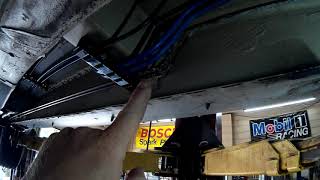
🎬 Watch this walkthrough on how to bleed X5 brakes.What kind of brake fluid does the 2000-2007 X5 use?
The BMW X5 requires DOT 4 brake fluid. Always use fluid from a new, sealed container to avoid moisture contamination, which can damage brake components and lower the boiling point of the fluid. Some high-performance models like the 4.6is may specify a low-viscosity DOT 4 fluid. Always check your owner's manual or the cap on the reservoir to be certain.
Should I replace the brake booster at the same time?
Not necessarily. You should only replace the brake booster if it is also faulty. A common sign of a bad master cylinder is fluid leaking externally at the rear, where it mounts to the booster. This brake fluid is corrosive and can damage the booster's seals over time. If you see fluid leaking in this area, inspect the booster for damage or signs of a vacuum leak.
Helpful Videos

Technical Specifications
OEM Part Numbers: 34316757743 34311165544
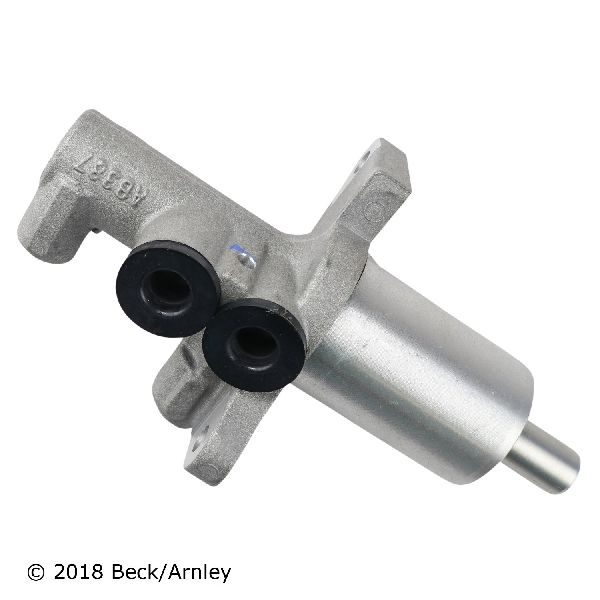
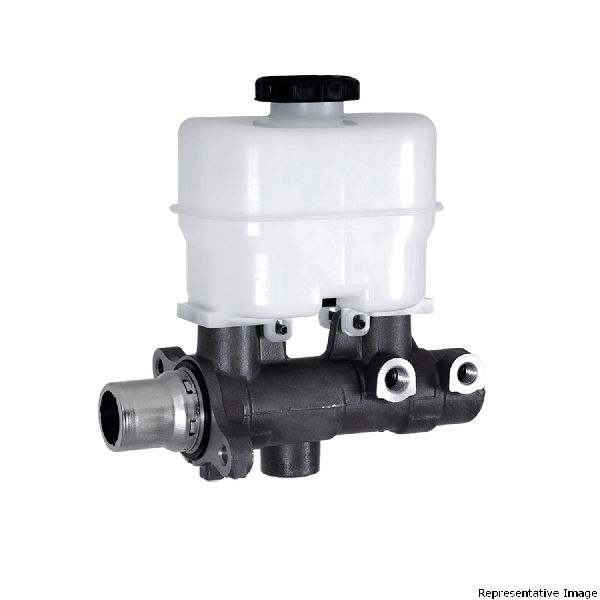
Reservoir Included: No (in most aftermarket units); Material: Aluminum; Brake Fluid: DOT 4
We Have This Part in Stock

The information in this article is provided for general reference and educational purposes only. Vehicle specifications, procedures, and part compatibility can vary by production date, trim level, and region. Always consult your vehicle's factory service manual and verify part numbers before purchasing or performing repairs. Safety-critical components such as airbags, seat belts, and braking systems should be installed by a qualified professional.
- BMW X5: