

BMW X5 (E53) Engine Coolant Temperature Sensor: A Complete Guide (2000-2007)
If your X5's temperature gauge is acting up or the engine is running poorly, the coolant temperature sensor could be the problem.
- The 2000-2007 X5 has two coolant sensors; confirm you are replacing the correct one.
- On V8 engines the replacement is easy; on 6-cylinder engines it is very difficult due to its location under the intake manifold.
- Choose aftermarket brands known for quality, like Delphi or Vemo, to ensure reliability.
- Always replace the metal sealing washer or o-ring with the new sensor to prevent leaks.
Is Your X5's Coolant Temp Sensor Failing?
A bad engine coolant temperature sensor can cause more than just a faulty gauge. Because it provides vital data to the engine computer (DME), a failure can lead to poor fuel economy, rough running, and even a check engine light. Symptoms often get worse as the problem is ignored. Below are the most common signs of failure for the 2000-2007 BMW X5.
Key Failure Symptoms:
- Check Engine Light: The most common sign is a check engine light with codes like P0117 (circuit low) or P0118 (circuit high).
- Inaccurate Temp Gauge: The needle on your dashboard might stay on cold, jump to hot, or move around randomly.
- Poor Fuel Economy: If the sensor tells the computer the engine is always cold, the DME will inject extra fuel, wasting gas.
- Rough Idle and Performance: An incorrect fuel mixture can cause a shaky idle, hesitation, and a general lack of power.
- Black Smoke from Exhaust: This is a sign of a very rich fuel mixture, where unburned fuel is burning in the exhaust.
- Cooling Fan Issues: The electric cooling fan may run at full speed all the time or not turn on when needed, because the system has entered a failsafe mode.
Choosing the Right Aftermarket Sensor
When replacing your X5's coolant sensor, you don't have to buy an expensive OEM part from the dealer. However, not all aftermarket parts are created equal. For critical sensors on a BMW, it's best to stick with known brands.
Aftermarket Brand Tiers
| Tier | Brands | Description |
|---|---|---|
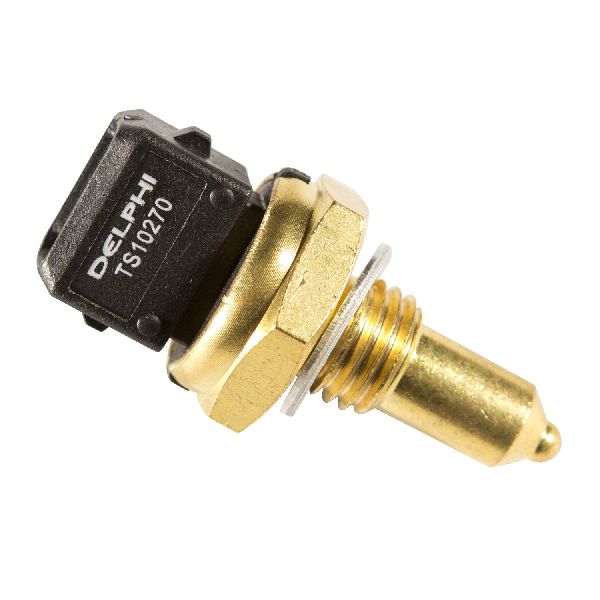
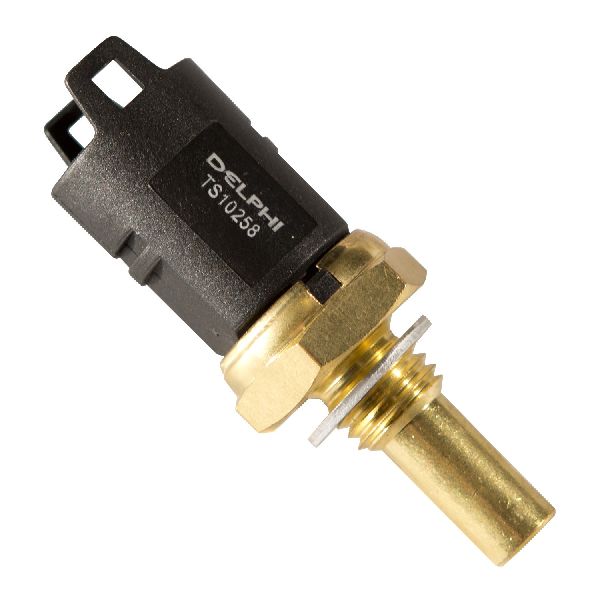
| Tier 1: OEM Supplier Quality | Delphi, Vemo, NGK/NTK | These brands are often original equipment suppliers to BMW and other German automakers. They offer the best fit and reliability outside of a genuine BMW box. Quality is very close to OEM. |
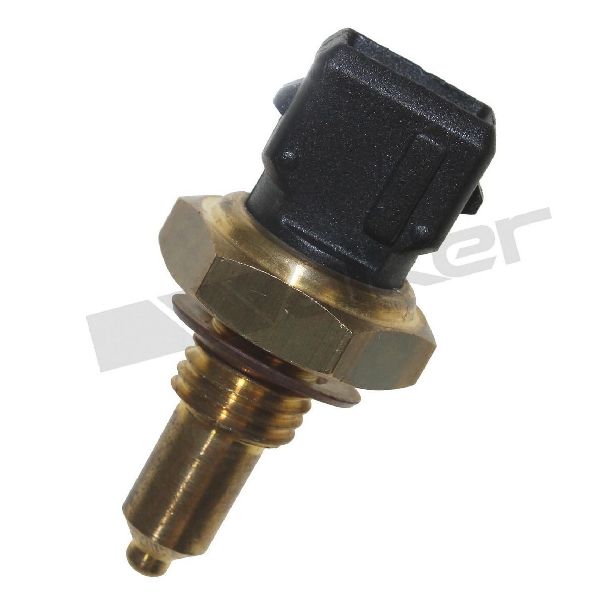
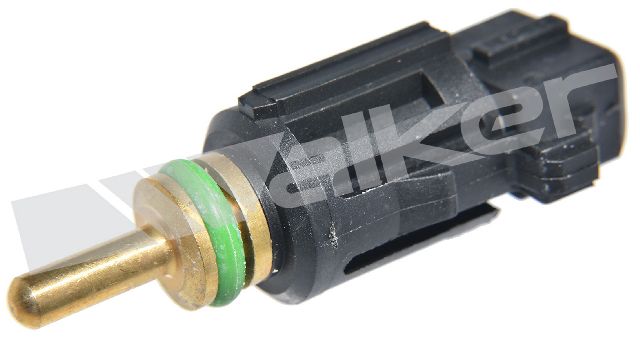
| Tier 2: Reputable Aftermarket | Beck Arnley, Standard Ignition (SMP), Walker Products | These are well-known aftermarket companies that produce reliable parts. They may not be OEM suppliers for this specific sensor but adhere to high quality standards. |
| Tier 3: Value-Oriented | URO Parts, Facet, Four Seasons, True Tech | These brands offer a more budget-friendly option. While some parts from these brands perform well, quality can sometimes be inconsistent. URO Parts are manufactured to ISO 9000 standards. They are best for owners on a tight budget who are comfortable with the potential for a shorter lifespan. |
Important: Your X5 Has Two Coolant Sensors!
The 2000-2007 X5 has two different coolant temperature sensors. This guide focuses on the main Engine Coolant Temperature Sensor located on the engine itself. There is also a second, simpler sensor located in the lower radiator hose that helps control the electric cooling fan. Before ordering, be sure you know which sensor you need to replace.
Frequently Asked Questions (FAQ)
Where is the engine coolant temperature sensor located on the X5?
The location depends on your engine.
• On V8 models (4.4i, 4.6is, 4.8is): The sensor is located at the front of the engine on a coolant pipe, near the throttle body. It is relatively easy to access.
• On 6-cylinder models (3.0i): The sensor is located on the back of the cylinder head, underneath the intake manifold. It is very difficult to access and may require removing the manifold.
Can I replace this sensor myself?
For V8 owners: Yes, this is a very feasible DIY project for a beginner. It requires basic tools and takes less than an hour.
For 6-cylinder owners: This is a difficult DIY project. Because the sensor is under the intake manifold, the job is much more involved and is best left to an experienced DIYer or a professional mechanic.
Should I drain the coolant before starting?
You don't need to drain the entire system. However, have the new sensor ready to install quickly. Some coolant will leak out when you remove the old sensor, so place a drain pan underneath to catch it. Always work on a cold engine to avoid burns.
What is the difference between the engine sensor and the radiator hose sensor?
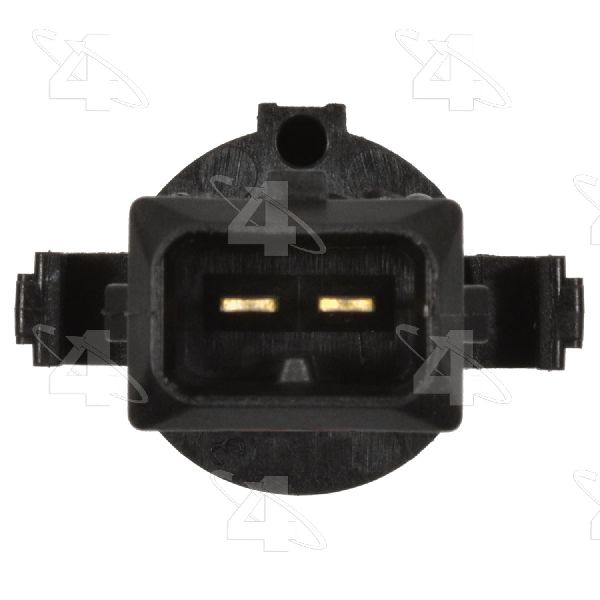
The main engine sensor is a 4-pin double sensor that informs both the DME (for fuel/timing) and the dashboard gauge. The sensor in the lower radiator hose is a simpler 2-pin switch whose main job is to tell the DME when to turn on the electric cooling fan. A failure of the radiator hose sensor typically won't cause poor fuel economy or a rough idle.
Technical Specifications
OEM Part Numbers: 13621703993 13621433076
This is a 4-pin, double temperature sensor that provides signals to both the DME and the instrument cluster.
We Have This Part in Stock


The information in this article is provided for general reference and educational purposes only. Vehicle specifications, procedures, and part compatibility can vary by production date, trim level, and region. Always consult your vehicle's factory service manual and verify part numbers before purchasing or performing repairs. Safety-critical components such as airbags, seat belts, and braking systems should be installed by a qualified professional.
- BMW X5: