

BMW X5 (2000-2007) Engine Oil Level Sensor: A Complete Guide
Seeing a yellow oil light on your E53 X5 even when the level is full? Your oil level sensor has likely failed.
- This sensor is the ONLY way to check oil on many E53 X5s; its proper function is critical.
- A yellow oil light despite a full oil level is the primary sign of sensor failure.
- Replacement is simple but requires a full engine oil drain, so pair it with an oil change.
- Avoid budget-tier electronic parts for your BMW; choose a reputable aftermarket or OEM brand for reliability.
Is Your BMW X5 Oil Level Sensor Failing?
The oil level sensor on the first-generation BMW X5 is a common failure point. Due to its location, it lives in a harsh environment of constant heat and vibration. When it fails, it typically does so in one of two ways: an internal electrical fault causing incorrect readings, or a physical failure where the seal degrades and it begins to leak oil. The most frequent complaint is a yellow oil warning light that appears on the instrument cluster, even right after an oil change or when the oil level has been manually verified as correct.
🎬 Watch: Understanding the yellow oil light and sensor failure symptoms.Don't Ignore the Warning Light
Even if you suspect the sensor is faulty, you should always check your oil level immediately when the warning light comes on. If your X5 has a physical dipstick, use it. If not, you are driving without a way to verify your oil level, which is a significant risk. A real low-oil situation can cause catastrophic engine damage.
Choosing the Right Aftermarket Sensor
When shopping for a replacement, you'll find a huge price difference between brands. BMWs are known for being sensitive to aftermarket electronic parts, and the oil level sensor is no exception. Choosing the wrong one can mean the new part fails quickly or doesn't work correctly out of the box.
- Premium Aftermarket (e.g., Vemo, NGK): Brands like Vemo often serve as Original Equipment Manufacturers (OEM) for German automakers. They offer high-quality parts that are expected to perform like the original without the dealership price tag. These are a reliable choice for a critical part like this.
- Standard Aftermarket (e.g., Standard Ignition): These brands offer a balance of quality and value and are generally a safe bet for most repairs.
- Budget Aftermarket (e.g., URO Parts, Skyward): While the low price is tempting, budget-friendly electronic sensors for BMWs have a mixed reputation. Forum discussions show many owners have had these parts fail prematurely. While they might be acceptable for less critical components, using them for the oil level sensor is a gamble, especially if your vehicle lacks a dipstick.
Pro Tip: Replace During an Oil Change
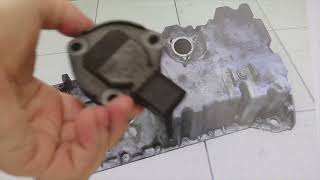
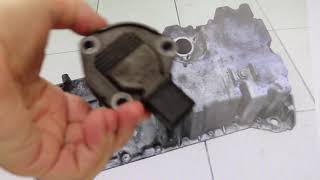
The sensor is located on the bottom of the oil pan and can only be replaced when the engine oil is drained. The best time to perform this job is during a routine oil and filter change to avoid wasting fresh oil and extra labor costs.
Estimated Replacement Costs
The cost to replace the sensor depends on the part you choose and who does the work. Since an oil change is required, those costs are also a factor.
| Part/Service | Estimated Cost |
|---|---|
| New OEM Sensor | $250 - $440 |
| New Aftermarket Sensor | $68 - $200 |
| Shop Labor (including oil change) | $150 - $300 |
| Total Professional Replacement | $220 - $740 |
Frequently Asked Questions
Does my 2000-2007 X5 have a dipstick?
It depends on the engine and model year. Many, especially later models in this generation, do not have a physical dipstick and rely entirely on the electronic sensor. It is crucial to confirm if you have one or not; if you don't, this sensor's reliability is paramount.
Why is my yellow oil light on but the oil level is fine?
This is the classic symptom of a failed oil level sensor. The sensor's internal electronics have malfunctioned and are sending a false signal to the car's computer. 🎬 Watch: How to fix common low oil light warnings. It can also be triggered by aggressive cornering or driving on steep hills when the sensor is beginning to fail.
Is this a difficult DIY job?
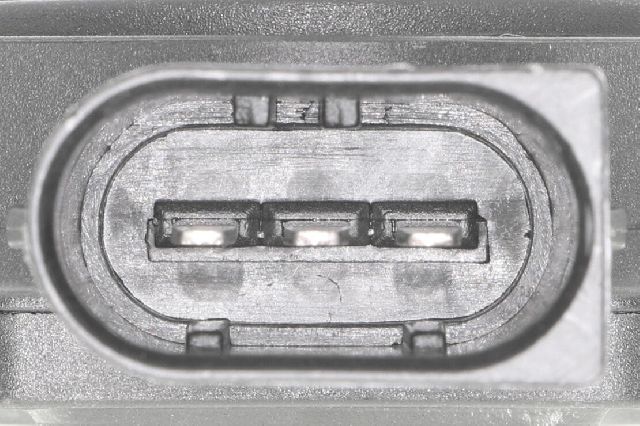
No, if you are comfortable changing your own oil, you can replace this sensor. After draining the oil, you simply remove a plastic splash shield, unplug the sensor's electrical connector, and remove three 10mm nuts. 🎬 See this step-by-step walkthrough for replacing the sensor yourself. The new sensor bolts in with a new seal, and then you refill the engine with oil.
Are there any recalls for the E53 X5 oil level sensor?
Searches of the National Highway Traffic Safety Administration (NHTSA) database and other public records did not show any specific recalls or Technical Service Bulletins (TSBs) for the engine oil level sensor on the 2000-2007 BMW X5.
Helpful Videos

Technical Specifications
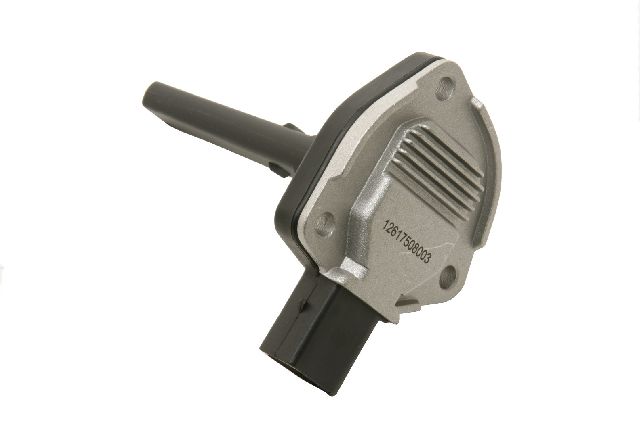
OEM Part Numbers: 12617508003
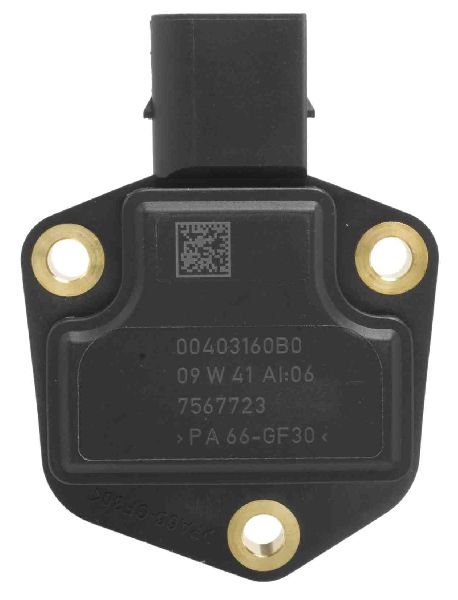
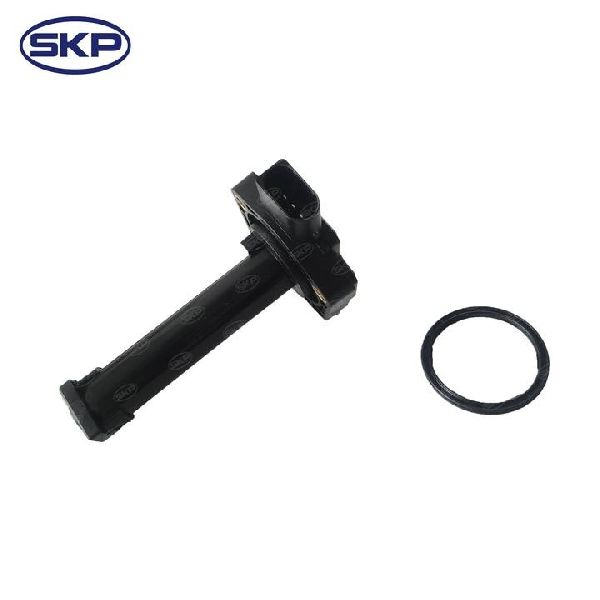
Mounts to the engine oil pan with three 10mm nuts. The replacement requires a new O-ring/seal, which is typically included with the new sensor.
We Have This Part in Stock


The information in this article is provided for general reference and educational purposes only. Vehicle specifications, procedures, and part compatibility can vary by production date, trim level, and region. Always consult your vehicle's factory service manual and verify part numbers before purchasing or performing repairs. Safety-critical components such as airbags, seat belts, and braking systems should be installed by a qualified professional.
- BMW X5: