

Chrysler Voyager Throttle Position Sensor (2000-2007): A Complete Guide
If your Voyager is stalling, hesitating, or shifting poorly, the throttle position sensor is a likely and easy-to-fix problem.
- Symptoms like stalling, hesitation, and poor shifting are very common for a failing TPS on this van.
- This is an excellent, easy, and inexpensive DIY repair that most owners can do in under 30 minutes.
- There are no recalls for this part; the repair is the owner's responsibility.
- For best results, choose a quality aftermarket brand like NGK or Standard Ignition to avoid premature failure.
Symptoms of a Failing Throttle Position Sensor
A bad TPS on a 2000-2007 Chrysler Voyager can cause frustrating problems that often mimic more serious engine or transmission failures. Because the sensor's data is so critical, you might notice one or several of these issues:
- Hesitation and Lack of Power: The van may feel sluggish, stumble, or hesitate when you press the gas pedal. This is one of the most common complaints.
- Rough or Erratic Idle: Your engine might idle too high or too low, or the idle speed may surge up and down without reason.
- Engine Stalling: The engine can stall unexpectedly when you come to a stop or take your foot off the accelerator. This can be dangerous in traffic.
- Poor or Erratic Shifting: The automatic transmission may shift at the wrong times—too early or too late—because it isn't getting a correct signal about your intention to accelerate.
- Check Engine Light: A failing TPS will often trigger the Check Engine Light. You may find diagnostic trouble codes (DTCs) such as P0121, P0122, or P0123 stored in the computer.
Known Issues, Recalls, and TSBs
Searches of the National Highway Traffic Safety Administration (NHTSA) database show no specific recalls or widespread Technical Service Bulletins (TSBs) for the throttle position sensor on the 2000-2007 Chrysler Voyager. This means that any failure of this part is considered a standard repair and is the owner's responsibility.
Choosing the Right Aftermarket TPS: Brand Quality
For a vehicle in this age range, finding an original Mopar part can be difficult and expensive. Thankfully, several reputable aftermarket brands make quality replacements. However, not all aftermarket parts are created equal, and it's wise to avoid the cheapest, no-name options which are more likely to fail prematurely.
Here’s a breakdown of the available brands from our inventory, tiered by general market reputation:
- Tier 1 (High-Quality Aftermarket): Brands like NGK and Standard Ignition (SMP) are well-regarded for their sensors. They often serve as original equipment manufacturers for many car brands and produce parts that meet or exceed OE specifications. These are a solid choice for reliability and longevity.
- Tier 2 (Reputable Aftermarket): Walker Products is another established brand in the engine management space, known for producing reliable components that offer a good balance of quality and value.
- Tier 3 (Standard/Economy): Brands listed as Global Parts or Replacement are typically budget-friendly options. While they can function correctly, they may not have the same long-term durability or precise calibration as higher-tier brands. They can be a good choice for a budget-conscious repair, but be aware of the potential quality difference.
Pro Tip: Clean the Throttle Body
While you have the sensor removed, it is an excellent time to clean the throttle body bore and plate with a dedicated throttle body cleaner. Carbon buildup can cause idle and low-speed drivability issues that can be mistaken for a faulty TPS.
Cost of Replacing a Throttle Position Sensor
The TPS is an inexpensive part and is very easy to replace, making it a great DIY job. A repair shop will charge for diagnosis and a minimum of a half-hour of labor.
| Item | Estimated Cost |
|---|---|
| New Aftermarket Part | $26.96 - $98.08 |
| New OEM Part (Mopar) | ~$167 |
| Shop Labor | $61 - $90 |
| Total (Shop Repair) | ~$258 - $287 |
| Total (DIY Repair) | $26.96 - $98.08 |
Frequently Asked Questions
Is replacing the TPS on a Voyager a DIY job?
Yes, absolutely. The TPS is located on the side of the throttle body, held in place by two screws. The job typically involves disconnecting the negative battery terminal, unplugging the electrical connector, removing the two screws, and swapping the sensor. It usually takes less than 30 minutes with basic hand tools.
Do I need to calibrate or "relearn" the new TPS?
For this generation of Chrysler Voyager, a specific calibration procedure is generally not required. The engine's computer will automatically learn the new sensor's voltage range as you drive. Some mechanics recommend disconnecting the battery for about 15 minutes during the install to reset the computer, which can speed up this relearning process.
Can I just clean my old throttle position sensor?
No. The TPS is a sealed electronic sensor. The problems are caused by internal wear on a variable resistor, not by being dirty. Spraying cleaners into it will likely damage it further. While you should clean the throttle body itself, the sensor must be replaced.
Why did my cheap, new TPS fail after only a few months?
This is a common issue with ultra-low-cost, unbranded electronic parts. They often use lower-quality internal components that can't withstand the heat and vibration of the engine bay for long. Investing in a reputable brand like NGK, Standard Ignition, or Walker Products is often more cost-effective in the long run.
Technical Specifications
OEM Part Numbers: 4686360 4686360AB 4686360AC
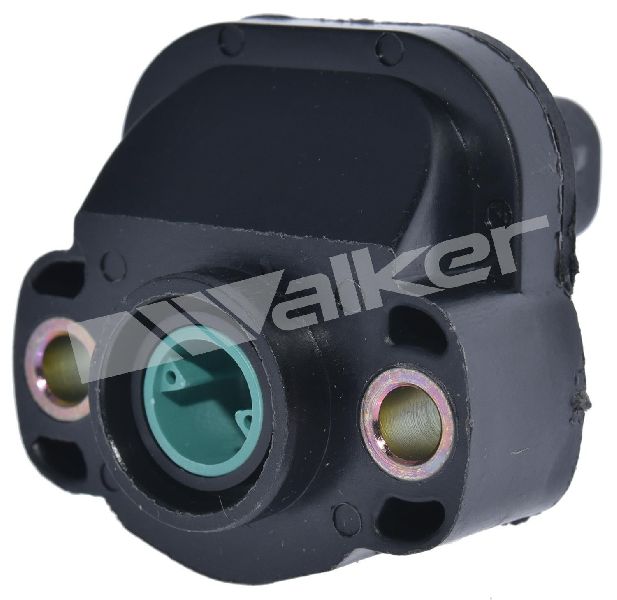
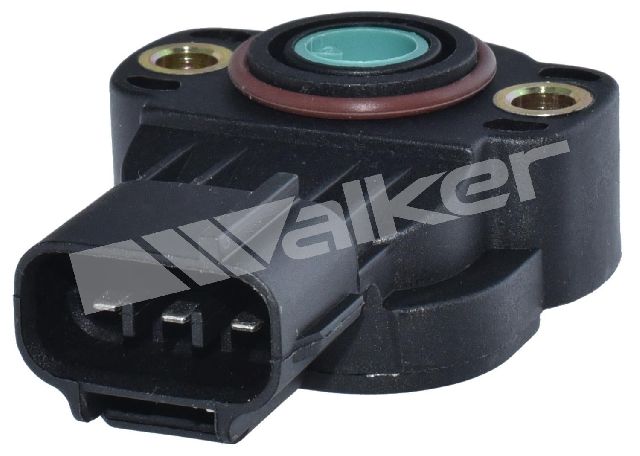
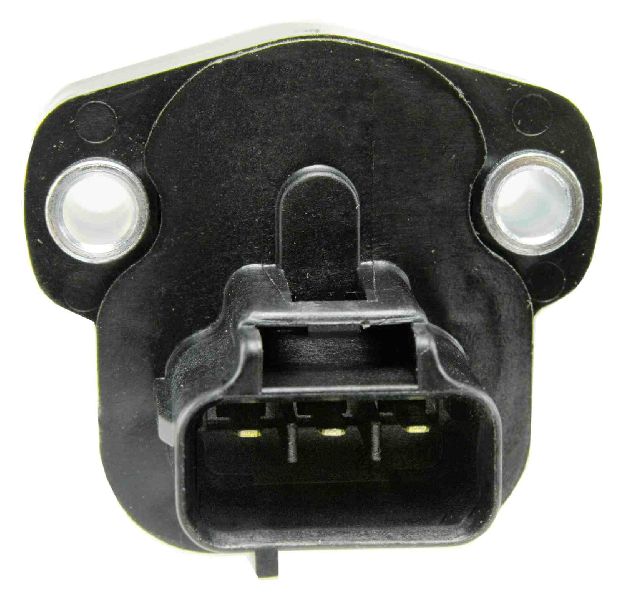
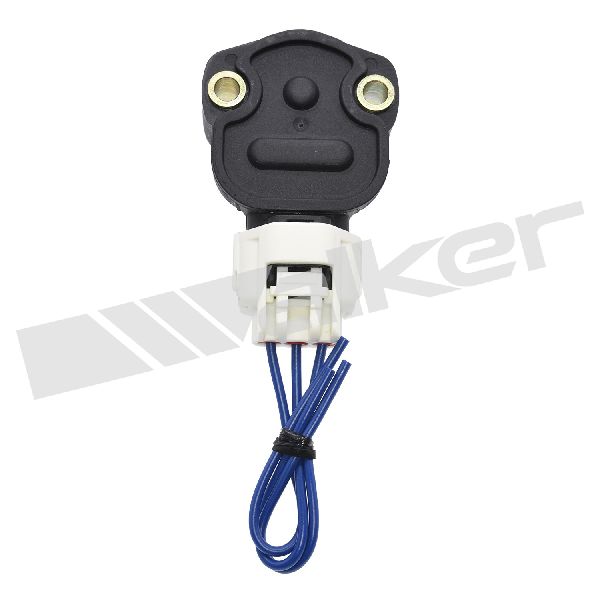
The sensor for the 2000-2007 Chrysler Voyager is a 3-pin, bolt-on, potentiometer-style sensor that mounts to the side of the throttle body.
We Have This Part in Stock


The information in this article is provided for general reference and educational purposes only. Vehicle specifications, procedures, and part compatibility can vary by production date, trim level, and region. Always consult your vehicle's factory service manual and verify part numbers before purchasing or performing repairs. Safety-critical components such as airbags, seat belts, and braking systems should be installed by a qualified professional.
- Chrysler Voyager: