

Chrysler Voyager Input & Output Speed Sensor Guide (2000-2007)
Fix your Voyager's erratic speedometer and harsh shifting by understanding and replacing the right speed sensor.
- Your Voyager has two different speed sensors (input and output); diagnose symptoms carefully to ensure you buy the correct one.
- A bad output sensor causes speedometer problems and limp mode; a bad input sensor mainly causes shifting issues.
- This is a simple DIY repair, but using a quality brand like Delphi or Standard Ignition is highly recommended to avoid premature failure.
- No recalls have been issued for this part, so repair is a customer responsibility.
Is It the Input or Output Sensor?
Before buying a part, it’s critical to know which sensor has failed. Your Voyager has two, and they cause different problems. Mixing them up is the most common mistake.
- Output Speed Sensor (OSS/VSS): A failure here directly affects your speedometer. If your speedometer is jumping around, reading zero, or your van is stuck in second gear (known as "limp mode"), the output sensor is the likely culprit. This sensor also provides the data for your cruise control.
- Input Speed Sensor (ISS/TSS): A failure here usually does not affect the speedometer. Instead, it causes poor transmission performance, like harsh shifting, delayed shifts, or a feeling that the transmission is slipping between gears because the computer is getting bad information about the transmission's internal speed.
Symptoms of a Failing Speed Sensor
A bad speed sensor can make your minivan feel unpredictable and unsafe. Here are the most common signs of failure:
Key Failure Symptoms
- Erratic or Dead Speedometer: The needle may bounce, drop to zero, or not move at all. This is the clearest sign of an output sensor failure.
- Transmission Stuck in Limp Mode: The van may refuse to shift out of second gear to prevent further damage. This is a common result of a bad output sensor signal.
- Harsh or Delayed Shifting: The transmission may slam into gear or hesitate before shifting. This can be caused by either the input or output sensor.
- Check Engine Light: A failing sensor will trigger a Check Engine Light. Common codes include P0700 (a general transmission fault) and P0720 (Output Speed Sensor Circuit Malfunction). You may also see incorrect gear ratio codes like P0732.
- Cruise Control Doesn't Work: The cruise control system relies on a steady signal from the output speed sensor to maintain speed.
Choosing the Right Aftermarket Sensor
For Chrysler electronics from this era, using a quality sensor is important to avoid replacing the part twice. Cheaply made sensors are known to fail quickly or be dead-on-arrival. Here’s a breakdown of the brands available.
Brand Quality Tiers
- Premium Aftermarket (Recommended): Brands like Delphi and Standard Ignition (SMP) have a strong reputation for producing reliable sensors that perform like the original factory part. For a critical part like a transmission sensor, spending a little more for one of these brands is a smart investment in reliability.
- Standard Aftermarket: Brands such as Walker Products, Holstein, Skyward, and True Tech offer a balance of value and quality. They are generally considered a step up from basic economy parts and can be a good option for a budget-conscious repair. However, long-term reliability may not match premium brands.
- Economy Aftermarket: URO Parts is a budget-focused brand. While the price is low, forums and owner experiences frequently report lower quality, poor fit, and a short lifespan for their electronic parts. This brand is best avoided for sensitive electronic sensors to prevent recurring problems.
Pro Tip: Many professional mechanics recommend using either an OEM Mopar sensor or a premium aftermarket brand like Delphi or Standard Ignition for Chrysler transmission electronics. The labor to replace a failed cheap sensor a second time will cost more than the initial savings.
Typical Replacement Costs
Replacing a speed sensor on a 2000-2007 Voyager is an affordable repair, especially if you do it yourself.
| Part Type | Typical Cost |
|---|---|
| New Aftermarket Sensor | $13.98 - $66.47 |
| New OEM (Mopar) Sensor | $50 - $100 |
| Shop Labor | $75 - $150 |
Frequently Asked Questions (FAQ)
How many speed sensors does my Voyager have?
Your 2000-2007 Voyager with the 4-speed automatic transmission (41TE) has two sensors: an input sensor and an output sensor. They are not interchangeable. You must buy the correct one for the problem you are having.
Where are the speed sensors located?
Both sensors are on the front of the transmission case. They are typically accessed by removing the driver's side front wheel and splash shield. The output sensor is located toward the side of the transmission, while the input sensor is slightly more central.
Can I replace a speed sensor myself?
Yes, this is a very DIY-friendly job. The replacement requires basic hand tools, like a 1-inch or 25mm socket or wrench. After disconnecting the electrical plug, you simply unscrew the old sensor and screw in the new one. Be careful not to overtighten the new sensor, as it is made of plastic.
What happens if I don't replace a bad speed sensor?
Ignoring a bad speed sensor can lead to more serious issues. You will experience poor fuel economy, unpredictable shifting that can be dangerous in traffic, and potentially getting stranded in limp mode. Continued harsh shifting can also cause extra wear on internal transmission components.
Are there any recalls for this part?
No, there are no active recalls from the NHTSA for the vehicle speed sensors on the 2000-2007 Chrysler Voyager.
Technical Specifications
OEM Part Numbers: 4800878 4800879
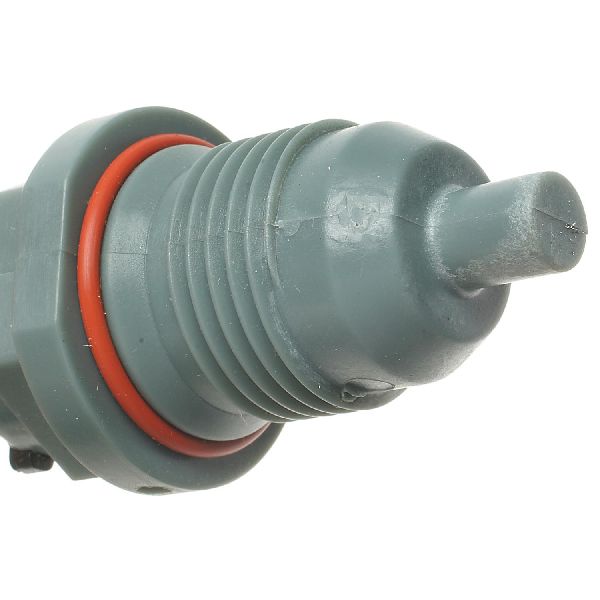
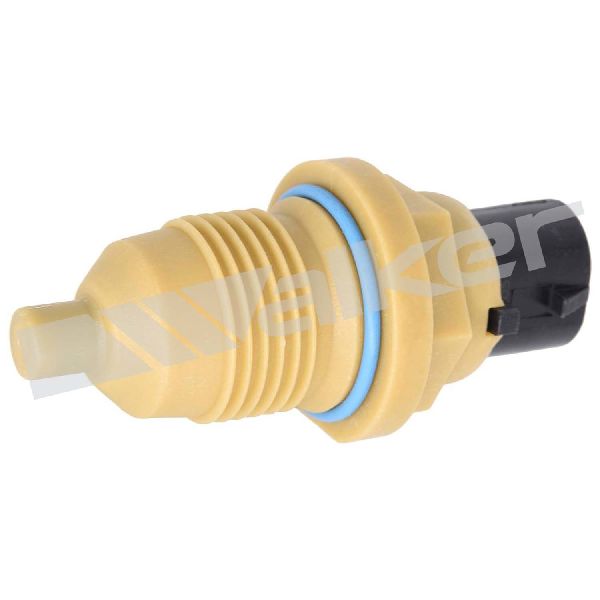
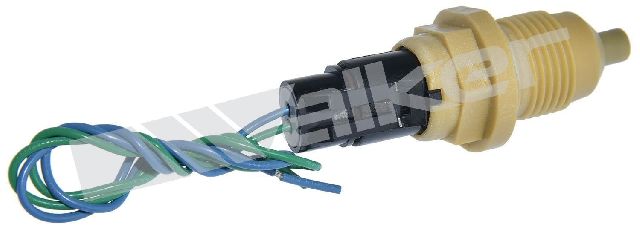
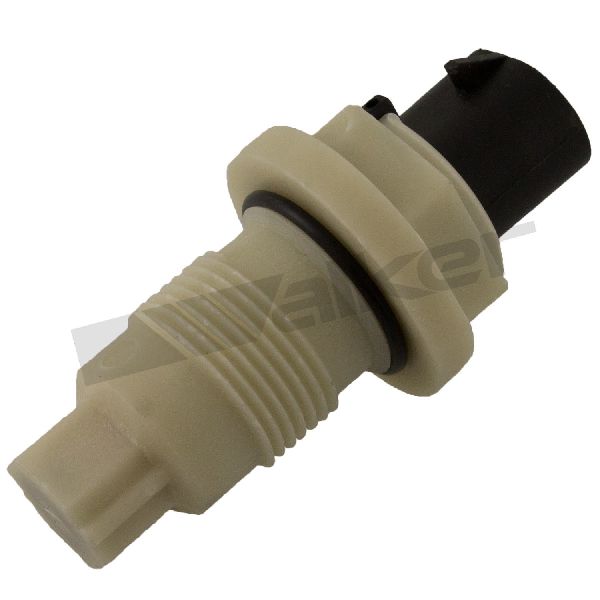
This vehicle uses two distinct sensors for the 41TE automatic transmission. The Input Speed Sensor (TSS) OEM part number is typically 4800878. The Output Speed Sensor (VSS) OEM part number is typically 4800879. Always verify the correct part for your specific vehicle before ordering.
We Have This Part in Stock


The information in this article is provided for general reference and educational purposes only. Vehicle specifications, procedures, and part compatibility can vary by production date, trim level, and region. Always consult your vehicle's factory service manual and verify part numbers before purchasing or performing repairs. Safety-critical components such as airbags, seat belts, and braking systems should be installed by a qualified professional.
- Chrysler Voyager: