

Essential Guide to the A/C Accumulator for 2000-2007 GMC Yukon
If your Yukon's A/C is struggling, this critical part could be the reason why.
- The A/C accumulator must be replaced any time the A/C system is opened for another repair.
- Verify the exact accumulator needed for your Yukon; there are different versions for models with and without rear A/C.
- Replacement requires specialized tools for refrigerant recovery and recharging; this is not a simple DIY job.
- A new accumulator is a cheap insurance policy to protect the expensive A/C compressor from moisture and debris.
Is Your Yukon's A/C Not as Cold as It Used to Be?
When the air conditioning in your 2000-2007 GMC Yukon stops blowing cold, many people immediately suspect the compressor. However, a smaller, less expensive part called the A/C accumulator is often the culprit or a necessary part of the repair. This component is essential for the long-term health of your entire A/C system. Understanding its function, symptoms of failure, and how to choose a quality replacement can save you from repeated repairs and expensive compressor damage.
Symptoms of a Bad A/C Accumulator
A failing accumulator will give you several warning signs. Paying attention to them can help you diagnose the problem before it gets worse.
- Weak or No Cold Air: This is the most common symptom. A clogged accumulator restricts the flow of refrigerant, so your A/C can't cool the cabin effectively.
- Visible Refrigerant Leaks: The accumulator is a metal canister that can rust or crack over time. You might see a greasy or oily residue on the accumulator itself or on the ground beneath it.
- Rattling Noises: If the desiccant bag inside breaks open or other internal parts fail, you may hear a rattling sound from the engine bay when the A/C is running.
- Icing on Components: In some cases, you might see frost or ice forming on the accumulator or its connected lines, which can point to a blockage.
Common Ordering Mistake for 2000-2007 Yukons
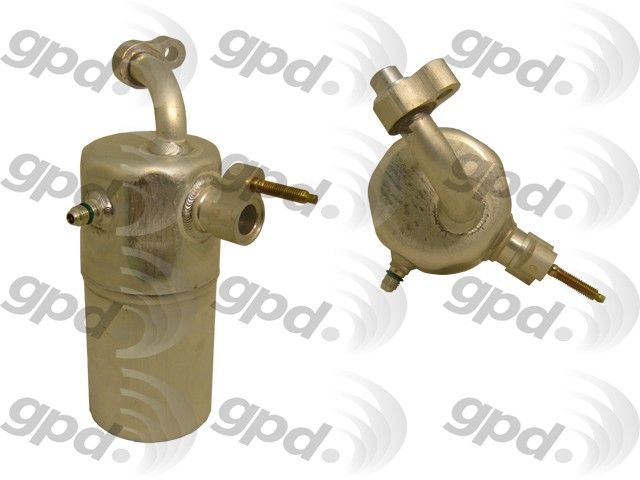
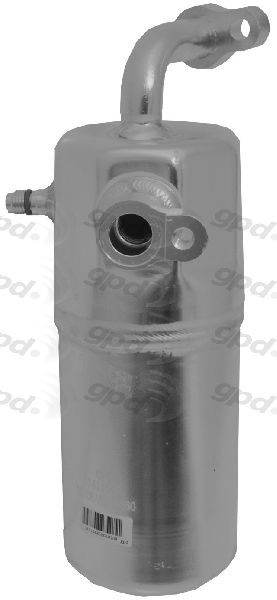
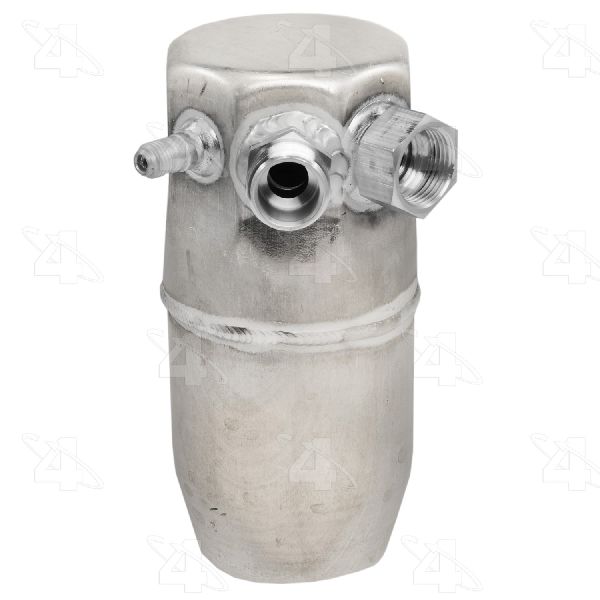
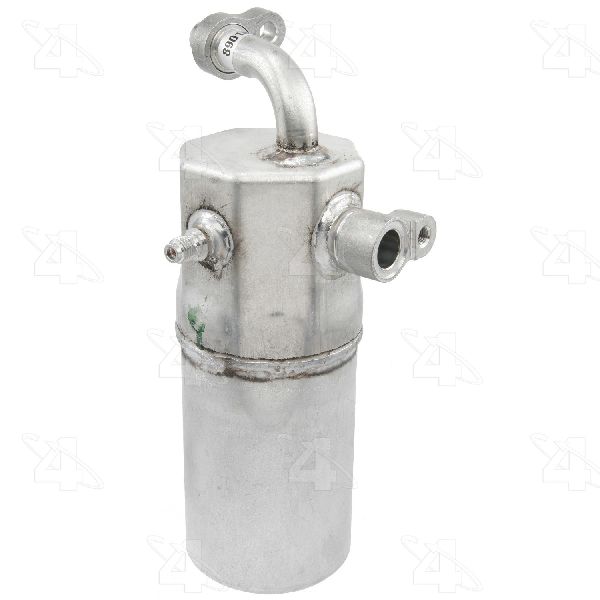
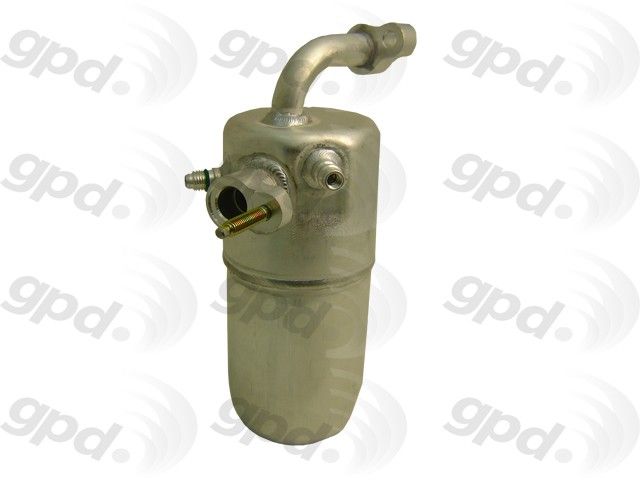
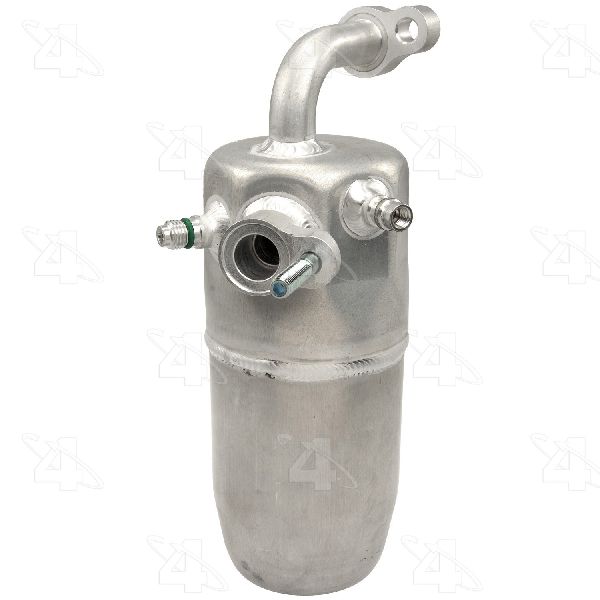
The 2000-2007 generation of GMC Yukon and its siblings used different A/C accumulators depending on the model year and whether the vehicle has rear A/C. There are different hose connection styles, including block-style and peanut-style fittings. It is absolutely critical to visually inspect your original part and compare it to the new one before ordering to ensure you get an exact match. Failure to do so will mean the part simply won't fit.
Choosing the Right Aftermarket A/C Accumulator
When your A/C system is opened for any major repair, like replacing the compressor or condenser, you must also replace the accumulator. The desiccant inside becomes saturated with moisture from the open air almost instantly, making the old part useless. Here’s a look at common aftermarket brands.
- ACDelco: As the original equipment manufacturer (OEM) for GM, ACDelco parts are generally considered a top-tier choice for fit and function. While they may cost more, they are the benchmark for quality.
- Four Seasons: This is a very popular and generally well-regarded aftermarket brand. Many professional mechanics and DIYers use Four Seasons parts with good results, offering a solid balance of quality and price.
- Spectra: Spectra is another established aftermarket brand. Forum discussions suggest its quality is often comparable to Four Seasons, making it a reliable budget-friendly option.
- Global Parts (GPD): GPD is also available and is knowledgeable about the different versions for the Yukon. It is a viable aftermarket choice, though less commonly discussed than Four Seasons or ACDelco.
Pro Tip: Always choose a new accumulator. While remanufactured A/C compressors are available, the accumulator is a maintenance item that should always be replaced with a new unit to ensure the desiccant is fresh and effective.
Installation: A Job for Professionals or Advanced DIYers
Replacing an A/C accumulator is more complex than changing a filter. The process requires special tools, including a refrigerant recovery machine, a vacuum pump, and A/C manifold gauges. The system must be legally and safely emptied of refrigerant before work begins, and put into a deep vacuum for at least an hour afterward to boil off any moisture before it's recharged. Skipping these steps will lead to poor performance and likely damage your new parts.
Difficulty: High. Not recommended for beginners due to refrigerant handling laws and specialized equipment needs.
Cost to Replace a GMC Yukon A/C Accumulator
| Item | Estimated Cost |
|---|---|
| New Aftermarket Accumulator | $35 - $80 |
| New OEM (ACDelco) Accumulator | $80 - $150 |
| Shop Labor & Recharge Service | $250 - $500 |
| Total Professional Replacement | $285 - $650+ |
Frequently Asked Questions
Why do I have to replace the accumulator if I replace my compressor?
The accumulator acts as the filter for the A/C system. If your old compressor failed, it likely sent tiny metal shavings throughout the system. The accumulator is your last line of defense to protect the new compressor from this debris. More importantly, the desiccant inside is exposed to air during the repair and becomes saturated, so it can no longer protect the system from moisture.
Can I replace the A/C accumulator myself?
While physically unbolting the part is easy, the full job is not recommended for beginners. It requires expensive, specialized tools to recover refrigerant, vacuum the system, and recharge it correctly. Improperly charging the system can cause poor cooling or even damage the compressor.
What is the desiccant inside the accumulator?
The desiccant is a material, usually in a small bag inside the accumulator, that is extremely good at absorbing moisture. Think of it like the silica gel packets you find in new shoes or electronics, but designed specifically for A/C systems. Its only job is to keep the refrigerant dry.
Do I need to add oil when replacing the accumulator?
Yes. When you remove the old accumulator, some A/C oil will come out with it. You must add the correct amount and type of new PAG oil to the system to ensure the compressor stays lubricated. The new part's instructions or the vehicle's service manual will specify the amount.
Technical Specifications
OEM Part Numbers: 15-10087
Varies by sub-model. Crucially dependent on whether the vehicle is equipped with rear A/C and the specific hose connection style (block vs. peanut fitting). Example aftermarket parts showing variations include GPD numbers 1411647 (no rear AC), 1411734 (1st gen design), and 1411648 (2nd gen design).
We Have This Part in Stock

The information in this article is provided for general reference and educational purposes only. Vehicle specifications, procedures, and part compatibility can vary by production date, trim level, and region. Always consult your vehicle's factory service manual and verify part numbers before purchasing or performing repairs. Safety-critical components such as airbags, seat belts, and braking systems should be installed by a qualified professional.
- GMC Yukon:
- 🛍️ Shop This Part
- Is Your Yukon's A/C Not as Cold as It Used to Be?
- Symptoms of a Bad A/C Accumulator
- Common Ordering Mistake for 2000-2007 Yukons
- Choosing the Right Aftermarket A/C Accumulator
- Installation: A Job for Professionals or Advanced DIYers
- Cost to Replace a GMC Yukon A/C Accumulator
- Frequently Asked Questions
- 🎟️ Get 5% Off