

GMC Yukon Disc Brake Caliper Guide for 2000-2007 Models
Everything you need to know before replacing the disc brake calipers on your second-generation GMC Yukon.
- A sticking or seized caliper is the most common failure, causing pulling, overheating, and uneven pad wear.
- Before replacing expensive parts for an ABS light, check the ground wire on the frame near the driver's side front wheel for corrosion.
- For best results, replace calipers in pairs and consider replacing the flexible brake hoses at the same time.
- ACDelco, Powerstop, Centric, and Raybestos are generally well-regarded brands for this truck; budget brands like Cardone may have inconsistent quality.
Is Your Yukon's Brake Caliper Failing?

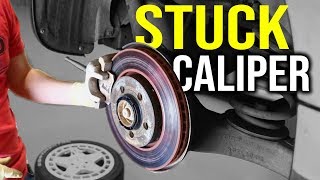
A bad brake caliper isn't just an inconvenience; it's a serious safety issue. The most common problem is a seized or sticking caliper. This can happen in two ways: the caliper piston can get stuck, or the slide pins can corrode and freeze up. When this happens, the brake pad can be constantly pressed against the rotor, causing overheating, or it might not press at all, reducing your stopping power. Look for these common symptoms:
- Vehicle Pulling to One Side: When you brake, a stuck caliper can cause your Yukon to pull to the left or right.
- Burning Smell & Hot Wheel: A caliper that fails to retract can cause the brake to drag constantly. This creates intense heat, which you might notice as a burning smell or an unusually hot wheel hub after driving.
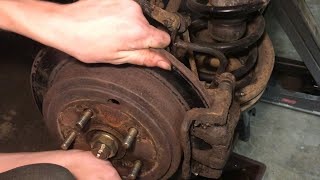
- Uneven Brake Pad Wear: If you inspect your brakes and notice one pad is worn down much more than the others, it's a classic sign of a seized caliper or stuck slide pins.
- Spongy or Soft Brake Pedal: While this can have many causes, a leaking caliper can introduce air into the brake lines, leading to a soft pedal feel.
- Grinding or Squealing Noises: A stuck caliper can cause brake pads to wear out completely, leading to a metal-on-metal grinding sound.
ABS and Brake Warning Lights
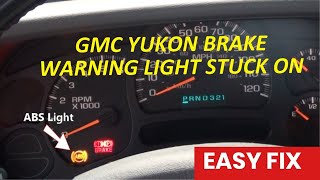
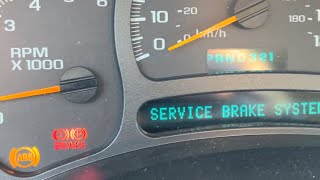
Many Yukon owners experience the ABS and brake warning lights turning on. Before assuming a failed caliper or expensive ABS module, check the main ground connection on the frame near the front left tire. This connection often corrodes, causing false warnings. Cleaning the rust from the ground point is a common and easy fix.
Choosing the Right Aftermarket Caliper

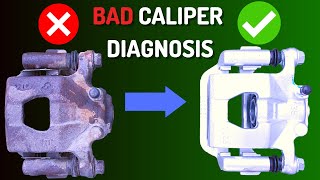
You don't need to buy expensive OEM parts from the dealer to get your brakes working properly. The aftermarket offers a wide range of quality options. Calipers are generally sold as "new" or "remanufactured." Remanufactured calipers are original units that have been rebuilt with new seals and components. Both can be good choices, but quality varies by brand.
Brand Tiers for Your Yukon
Based on owner feedback and mechanic reviews, here’s a breakdown of common aftermarket brands:
- Premium Tier (Performance & Heavy Duty): Powerstop and ACDelco (Gold/Professional lines) are excellent choices. Powerstop calipers are often remanufactured ACDelco units, sometimes with upgrades like powder coating. They are well-regarded for truck and SUV applications, especially for towing. ACDelco Professional and Gold parts are considered high-quality, near-OEM replacements.
- Mid-Tier (Quality OEM Alternatives): Centric and Raybestos are solid, reliable brands that mechanics often use. They offer a good balance of quality and price. Some users find Centric's quality control on remanufactured parts to be slightly more consistent than other budget-focused brands.
- Economy Tier (Budget-Focused): Brands like Cardone and Dynamic Friction offer a more affordable option. However, quality can be inconsistent. Forum discussions frequently mention issues with remanufactured Cardone calipers, such as reused wear items, incorrect hardware, or poor finishing. While they can be a functional replacement, inspect them carefully before installation.
Pro Tip: Replace in Pairs and Change the Hose
For balanced braking, it's always best to replace calipers in pairs (both front or both rear). While you're replacing the caliper, it's also a great time to replace the flexible rubber brake hose. These hoses can degrade internally over time, collapsing and causing the caliper to stick, mimicking a failed caliper.
Known Issues, Recalls, and TSBs

For the 2000-2007 generation, there are no major recalls specifically for the brake calipers themselves. However, there have been related recalls and service bulletins:
- NHTSA Recall #00V345000: Some vehicles had improper clearance for the front right brake line, which could lead to damage and a fluid leak.
- NHTSA Recall #05V379000: Some vehicles had an issue with the brake hydro-boost system that could lead to increased brake pedal effort.
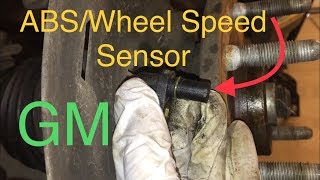
- A common issue for this platform is ABS activation at very low speeds (3-4 mph), which feels like a pulsating pedal. This is often caused by rust building up under the front wheel speed sensor, creating an incorrect air gap. The fix is to remove the sensor and clean the mounting surface.
Frequently Asked Questions
Do I need to buy a caliper with the mounting bracket?
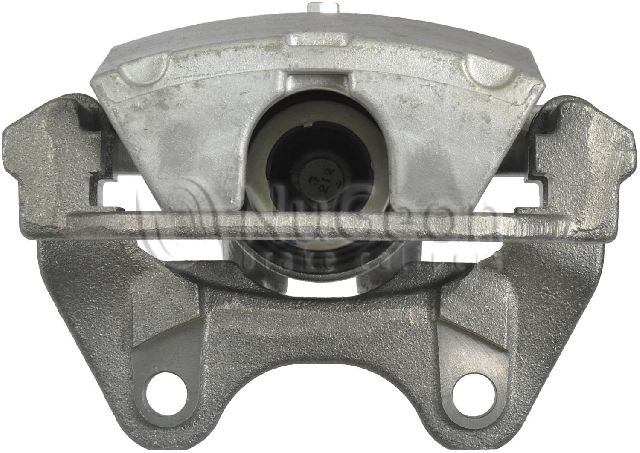
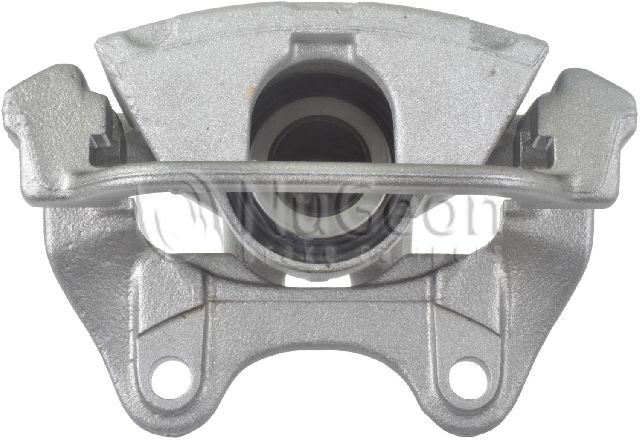
Most aftermarket calipers are available with or without the mounting bracket. If your existing bracket is in good shape and not corroded, you can reuse it. However, buying a loaded caliper with a new, pre-lubricated bracket can save time and prevent issues with sticking slide pins.
What tools do I need to replace a GMC Yukon caliper?
You will need a good socket set (including 18mm for bracket bolts and a T55 Torx for front guide pins), wrenches, a pry bar, a C-clamp or piston compressor tool, a torque wrench, brake grease, and brake cleaner. A caliper hanger tool is also helpful to avoid letting the caliper hang by its hose.
Do I have to bleed the brakes after replacing a caliper?
Yes, absolutely. Any time you open the hydraulic system by disconnecting a brake line, you must bleed the brakes to remove air from the system. Start with the caliper furthest from the master cylinder (usually the rear passenger side) and work your way closer. Failure to bleed the brakes will result in a spongy pedal and poor stopping performance.
What is the torque spec for GMC Yukon caliper bolts?
Torque specifications are critical for safety. For the 2000-2007 Yukon, typical specs are around 122-129 ft-lbs for the caliper bracket-to-knuckle bolts and 80 ft-lbs for the front guide pin bolts. Always verify the correct specs for your specific year and model.
Helpful Videos
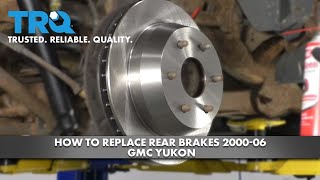
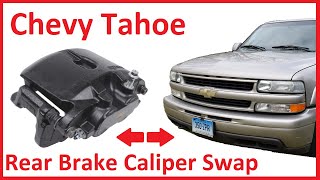
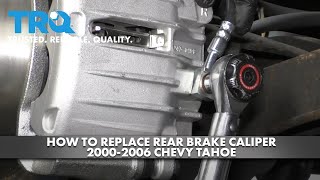
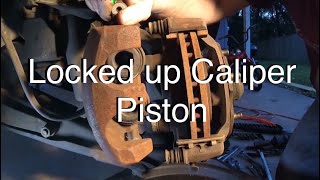
Technical Specifications
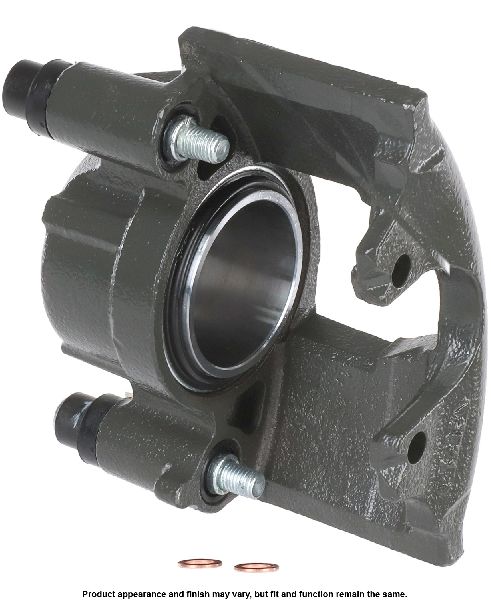
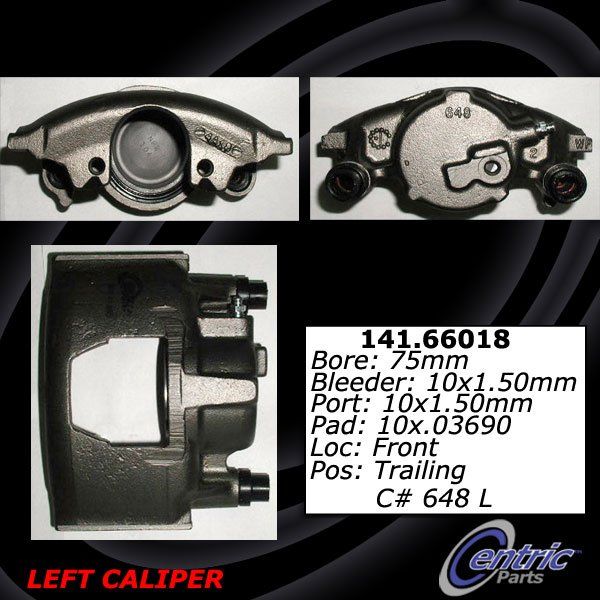
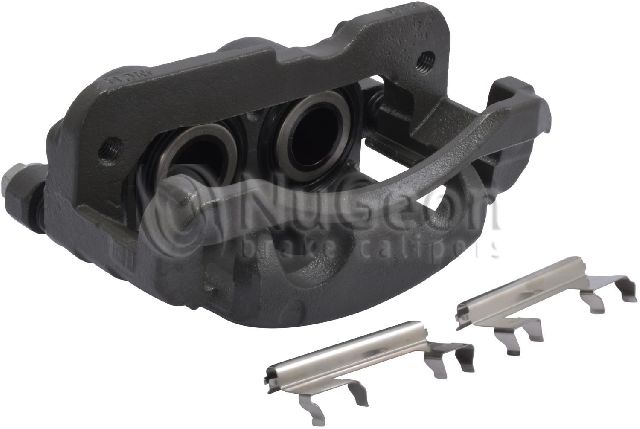
The 2000-2007 GMC Yukon uses a dual-piston floating caliper for the front brakes and a single-piston floating caliper for the rear brakes. Ensure you purchase the correct part for the front or rear, and for the specific side (driver or passenger) if they are not identical.
We Have This Part in Stock

The information in this article is provided for general reference and educational purposes only. Vehicle specifications, procedures, and part compatibility can vary by production date, trim level, and region. Always consult your vehicle's factory service manual and verify part numbers before purchasing or performing repairs. Safety-critical components such as airbags, seat belts, and braking systems should be installed by a qualified professional.
- GMC Yukon: