

Engine Camshaft Position Sensor Guide for 2000-2007 GMC Yukon
Everything a Yukon owner needs to know about fixing starting, stalling, and performance issues caused by a bad camshaft position sensor.
- A failing camshaft sensor on a 2000-2007 Yukon commonly causes stalling, no-start conditions, and a rough idle with codes P0340-P0343.
- The sensor is located in a very tight spot at the rear of the engine, making replacement challenging but possible for a DIYer.
- For critical sensors, it is highly recommended to use OEM-quality brands like ACDelco or Delphi to avoid premature failure and ensure accurate readings.
- While the part itself is affordable, professional labor costs can be over $150 due to the difficult-to-access location.
Is Your Yukon Stalling or Hard to Start? It Could Be the Camshaft Sensor.
If your 2000-2007 GMC Yukon is suddenly hard to start, stalling at stop lights, or running rough, a failing camshaft position sensor is a common suspect. This sensor is a known failure point on many vehicles, and the symptoms can often be confusing. Before you start replacing more expensive parts, understanding what this sensor does and how to choose a good replacement can save you time and money.
Common Symptoms of a Bad Camshaft Sensor on a Yukon:
- Check Engine Light: The most obvious sign. You'll likely see codes like P0340, P0341, P0342, or P0343.
- Engine Won't Start: The engine cranks but refuses to fire up, or takes much longer than usual to start.
- Stalling: The engine may stall unexpectedly while idling at a stop or even while driving at low speeds.
- Rough Idle and Misfires: Your Yukon may shake or vibrate at a stop because the engine timing is off.
- Poor Acceleration: The truck may feel sluggish and lack power, especially when trying to accelerate or go uphill.
- Reduced Fuel Economy: Incorrect timing can cause the engine to use more fuel than necessary.
Choosing the Right Aftermarket Sensor: Not All Brands Are Equal
When it comes to engine sensors, quality matters. A cheap, poorly made sensor can fail quickly or provide inaccurate readings, leaving you with the same problems. For the GMC Yukon, it's best to stick with brands known for their electronic components. Here’s a breakdown of your options:
Tier 1: OEM & Premium Aftermarket
These brands are either the original equipment manufacturer (OEM) for General Motors or are highly regarded for their quality and reliability. They are your best bet for a long-lasting, trouble-free repair.
- ACDelco: This is GM's own parts brand. While some parts are re-boxed from other manufacturers, choosing ACDelco is generally a safe bet for a direct, quality replacement.
- Delphi: Delphi was originally part of GM and manufactured many of the original electronic parts for these Yukons. A Delphi sensor is often considered an OEM-equivalent part and is an excellent choice.
- NGK/NTK: Known for their spark plugs, NGK (under their NTK electronics brand) also produces high-quality sensors that are well-respected in the industry.
Tier 2: Reputable Aftermarket
These brands offer a good balance of quality and price. They are a solid choice if a Tier 1 brand isn't available or if you're looking for a more budget-friendly, yet reliable, option.
- Standard Motor Products (SMP): A long-standing aftermarket manufacturer that produces quality engine management parts. Their standard line (red box) is generally considered reliable.
- Hitachi: A known OEM supplier for many Japanese brands, Hitachi also makes quality sensors for other markets and is a trusted name.
- Beck Arnley: This brand sources parts from various manufacturers, often seeking out the original OEM supplier. Their parts are typically good quality.
Tier 3: Budget Options
These brands are typically the most affordable. While they can get your truck running again, be aware that forum discussions and mechanic experiences suggest their quality and longevity can be inconsistent. Use with caution, especially for a critical sensor like this.
- Dorman: Dorman makes a huge variety of parts and is known for creating replacements for hard-to-find items. However, their electronic sensors have mixed reviews.
- Other budget brands like URO Parts, True Tech, Prenco, and unbranded parts fall into this category. They might work, but the risk of premature failure is higher.
Pro Tip: Location and Replacement
On the 4.8L, 5.3L, and 6.0L V8 engines in the 2000-2007 Yukon, the camshaft position sensor is located at the very back of the engine block, behind the intake manifold, near the oil pressure sensor. It is held in by a single 10mm bolt. While it's possible to replace it without removing the intake manifold, it is a very tight space and you will be working completely by feel. Many mechanics choose to remove the intake manifold for better access.
Cost of Replacing a Camshaft Position Sensor
| Part/Service | Estimated Cost |
|---|---|
| New Aftermarket Sensor | $24 - $75 |
| New OEM Sensor (GM/ACDelco) | $56 - $82 |
| Shop Labor | $153 - $225 |
| Total Professional Replacement | $210 - $306 |
Frequently Asked Questions
Where is the camshaft sensor on my 2004 Yukon 5.3L?
It is located at the top rear of the engine block, behind the intake manifold and just to the side of the oil pressure sending unit. You will need to reach back from the top of the engine to access it. It is held in by one 10mm bolt.
Can I replace this sensor myself?
Yes, this is a DIY-feasible job for someone with patience and basic tools. The main challenge is the sensor's location. You will be working blind, by feel. Using a long extension and a swivel socket can help. If you are not comfortable working in tight spaces, you may prefer to have a professional do it.
What's the difference between a camshaft and a crankshaft sensor?
They work together. The crankshaft sensor tracks the position of the pistons, while the camshaft sensor tracks the position of the valves. The computer compares both signals to ensure the engine is timed perfectly for fuel injection and spark. A failure in either sensor can cause similar symptoms like stalling and no-starts.
Are there any recalls for this part on my Yukon?
No, searches of the NHTSA database did not find any specific recalls or technical service bulletins (TSBs) for the camshaft position sensor on the 2000-2007 GMC Yukon. Recalls found were for much newer model years and different engine issues.
Do I need to do a special procedure after replacing the sensor?
Generally, no special "relearn" procedure is required for just the camshaft position sensor on these models. After installing the new sensor and clearing the trouble codes with a scanner, the vehicle should start and run correctly. However, if you also replace the crankshaft sensor, a Crankshaft Position Variation Relearn (often called a CASE relearn) is recommended.
Technical Specifications
OEM Part Numbers: 19420911 12561211 19420372
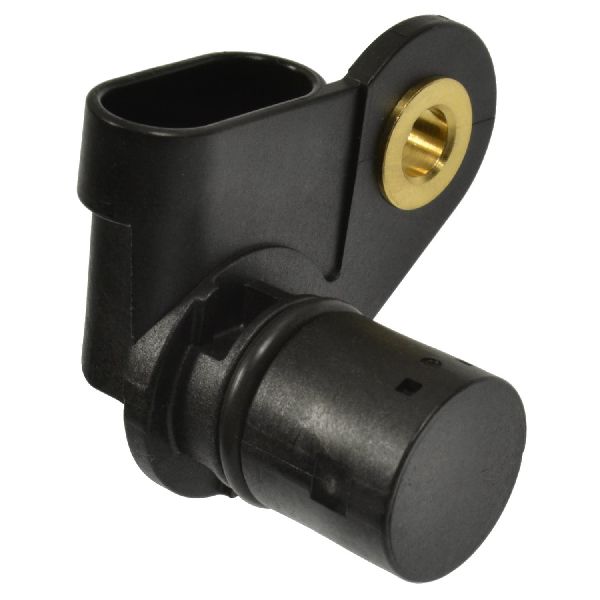
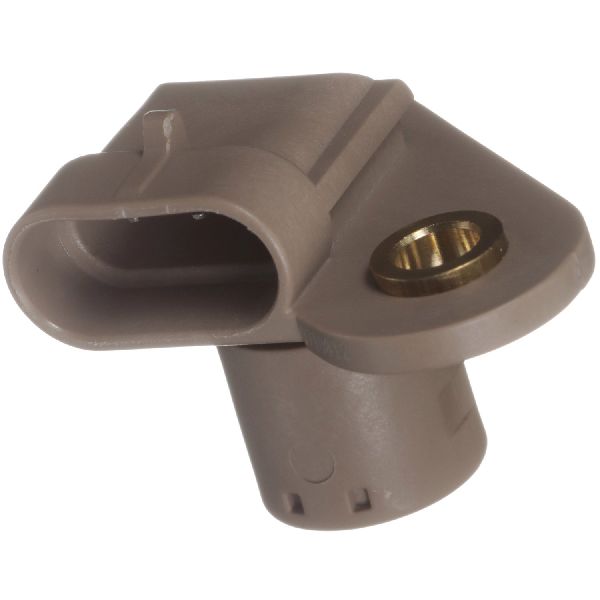
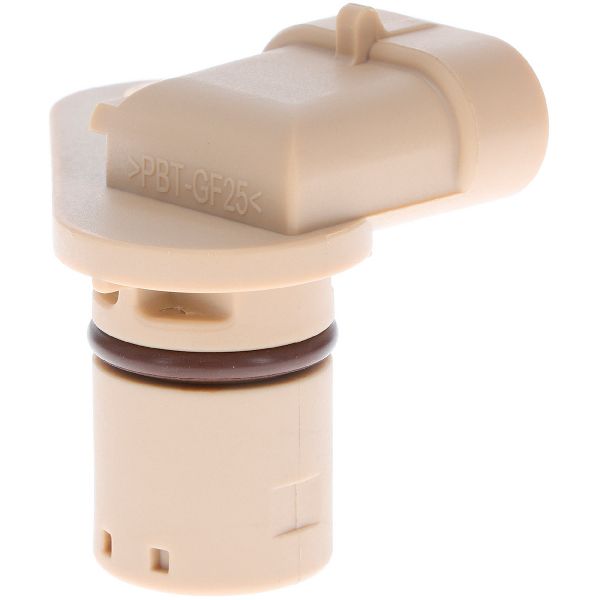
Single bolt-on Hall Effect sensor, typically with a 3-pin connector, located at the rear of the engine block.
We Have This Part in Stock


The information in this article is provided for general reference and educational purposes only. Vehicle specifications, procedures, and part compatibility can vary by production date, trim level, and region. Always consult your vehicle's factory service manual and verify part numbers before purchasing or performing repairs. Safety-critical components such as airbags, seat belts, and braking systems should be installed by a qualified professional.
- GMC Yukon:
- 🛍️ Shop This Part
- Is Your Yukon Stalling or Hard to Start? It Could Be the Camshaft Sensor.
- Common Symptoms of a Bad Camshaft Sensor on a Yukon:
- Choosing the Right Aftermarket Sensor: Not All Brands Are Equal
- Tier 1: OEM & Premium Aftermarket
- Tier 2: Reputable Aftermarket
- Tier 3: Budget Options
- Pro Tip: Location and Replacement
- Cost of Replacing a Camshaft Position Sensor
- Frequently Asked Questions
- 🎟️ Get 5% Off