

A GMC Yukon Owner's Guide to the 2000-2007 Engine Coolant Temperature Sensor
Fix your Yukon's rough idle, bad mileage, or erratic temperature gauge by understanding this critical sensor.
- A bad ECT sensor often triggers codes P0117, P0118, or P0128 and can make the cooling fans run constantly.
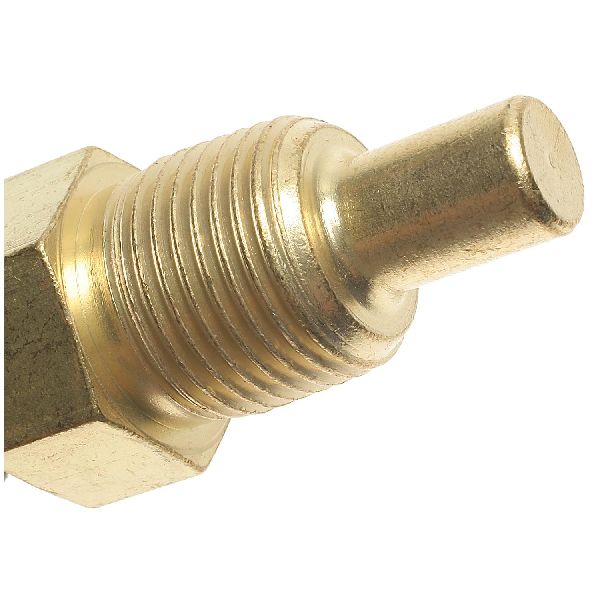
- Replacement is an easy DIY job, located on the driver's side cylinder head and requiring a 19mm deep socket.
- For best results, choose an OEM supplier brand like Delphi or other top-tier aftermarket brands like NGK or Standard.
- Symptoms include a dead temperature gauge, poor fuel mileage, and a rough idle.
Is Your Yukon's Engine Coolant Temperature Sensor Failing?

A bad Engine Coolant Temperature (ECT) sensor on your 2000-2007 Yukon can cause more than just a faulty gauge reading. Because the engine's computer relies on this sensor for crucial information, a failure can lead to noticeable performance problems. If the sensor sends a false signal that the engine is cold, the computer may enrich the fuel mixture, causing poor fuel economy and a smell of gasoline. Conversely, a false 'hot' signal can cause starting issues. In many cases, the computer will enter a fail-safe mode, turning the cooling fans on high speed to prevent potential overheating, even if the engine isn't actually hot.
Common Ordering Mistakes

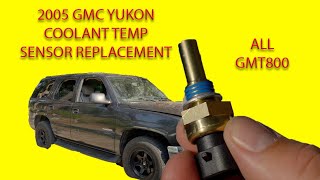
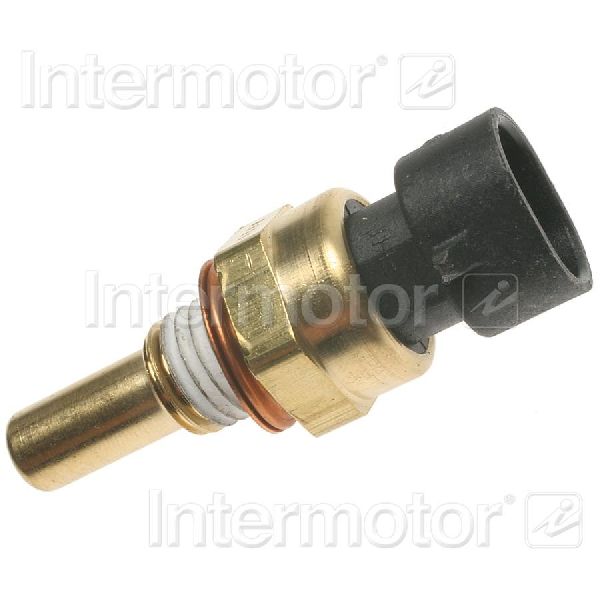
For this generation of GM trucks (platform code GMT800), there is one primary ECT sensor that provides information to both the engine computer and the dashboard gauge. It is located on the driver's side cylinder head. Some older GM vehicles used two separate units (a sensor for the computer and a sender for the gauge), which can cause confusion. Always verify the part fits your specific model year, as there can be minor differences in connectors or threading.
Choosing the Right Aftermarket Sensor for Your Yukon

When replacing a critical sensor, quality matters. While an OEM ACDelco part is always a safe bet, several aftermarket brands offer excellent quality, sometimes from the same factory that made the original part.
Aftermarket Brand Quality Tiers
| Tier | Brands | Notes |
|---|---|---|
| Tier 1: OEM / OEM Supplier | Delphi, ACDelco (OEM) | Delphi was a major original equipment supplier for GM during this period. Choosing a Delphi sensor is often the closest you can get to the original part without the OEM box. These are highly recommended for fit and accuracy. |
| Tier 2: Top-Quality Aftermarket | NGK (NTK), Standard Ignition (SMP), Beck Arnley, Hella | These are reputable brands known for producing reliable sensors that meet or exceed OEM specifications. NGK/NTK and Standard Motor Products are well-respected in the industry for their electronics. |
| Tier 3: Standard Aftermarket | Walker Products, Four Seasons, Facet | These brands provide a cost-effective solution and are generally reliable for this application. They are a good option if budget is the primary concern, but may not have the same long-term durability as Tier 1 or 2 brands. |
Installation Tips

Replacing the ECT sensor on the 4.8L, 5.3L, or 6.0L V8 engine is a straightforward job that can be done with basic tools.
- Location: The sensor is on the driver's side of the engine, threaded into the cylinder head, near the front spark plug.
- Access: You may need to move a small bracket attached to the alternator to get better access. This is typically held by two 10mm bolts.
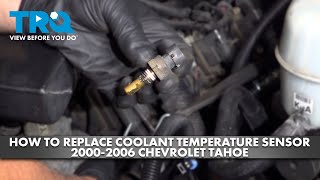
- Tools: You will need a 19mm deep socket to remove and install the sensor.
- Process: Make sure the engine is cool. Disconnect the negative battery terminal. Place a drain pan underneath, as a small amount of coolant will spill. Unplug the electrical connector, then use the socket to unscrew the old sensor. Thread the new sensor in by hand to avoid cross-threading before tightening it with a wrench. Reconnect everything and top off your coolant. 🎬 Watch: Step-by-step sensor replacement for Yukon and GMT800 trucks.
Pro Tip: Buy a sensor that comes with thread sealant pre-applied. If it doesn't, use a small amount of appropriate thread sealant on the threads to prevent leaks. Many new sensors come with this already on them.
Frequently Asked Questions (FAQ)
What are the OBD-II codes for a bad ECT sensor?
The most common codes are P0117 (Sensor Circuit Low Voltage), P0118 (Sensor Circuit High Voltage), 🎬 Watch: EricTheCarGuy explains how to diagnose a P0118 trouble code. and P0128 (Coolant Temperature Below Thermostat Regulating Temperature). P0117 often means the computer sees a very high temperature, while P0118 means it sees a very low temperature. P0128 means the engine isn't warming up as fast as the computer expects, which can be caused by a faulty sensor or a stuck-open thermostat.
Are there any recalls for the Yukon ECT sensor?
No, there are no specific safety recalls issued by the NHTSA for the engine coolant temperature sensor on the 2000-2007 GMC Yukon. Failures are typically due to age and normal wear.
Can a bad ECT sensor cause my Yukon to overheat?
It's unlikely to cause a true overheat, but it can prevent you from knowing if one is happening. If the sensor fails and reads artificially low, it won't trigger the cooling fans or show an accurate reading on your gauge, leaving the engine unprotected if another cooling system part fails.
Why is my temperature gauge at zero but the fans are running on high?
This is a classic symptom of a failed ECT sensor on your Yukon. When the engine computer loses the temperature signal from the sensor, it can no longer tell how hot the engine is. As a fail-safe measure, it commands the cooling fans to run at full speed to prevent a potential overheat and drops the gauge to its lowest reading.
Helpful Videos
Technical Specifications
OEM Part Numbers: 12608814 19236568 15326388 25037062 12191170
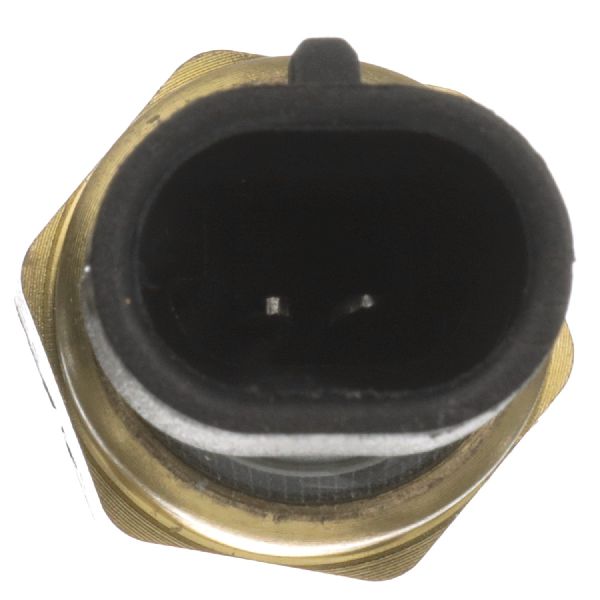
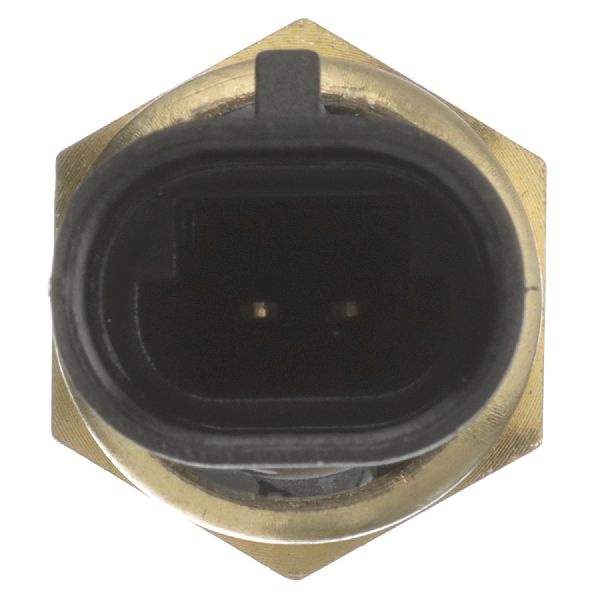
Location: Driver side cylinder head. Socket Size: 19mm Deep Socket. Connector: Typically a 3-pin connector for this generation.
We Have This Part in Stock


The information in this article is provided for general reference and educational purposes only. Vehicle specifications, procedures, and part compatibility can vary by production date, trim level, and region. Always consult your vehicle's factory service manual and verify part numbers before purchasing or performing repairs. Safety-critical components such as airbags, seat belts, and braking systems should be installed by a qualified professional.
- GMC Yukon: