

A Guide to Replacing the Radiator in a 2000-2007 GMC Yukon
Everything a Yukon owner needs to know when it's time to replace a leaking or failed radiator.
- The most common failure is a leak where the plastic side tanks meet the aluminum core.
- For most owners, a quality aftermarket brand like Denso or Spectra offers the best value.
- Replacing hoses and the thermostat at the same time as the radiator is highly recommended.
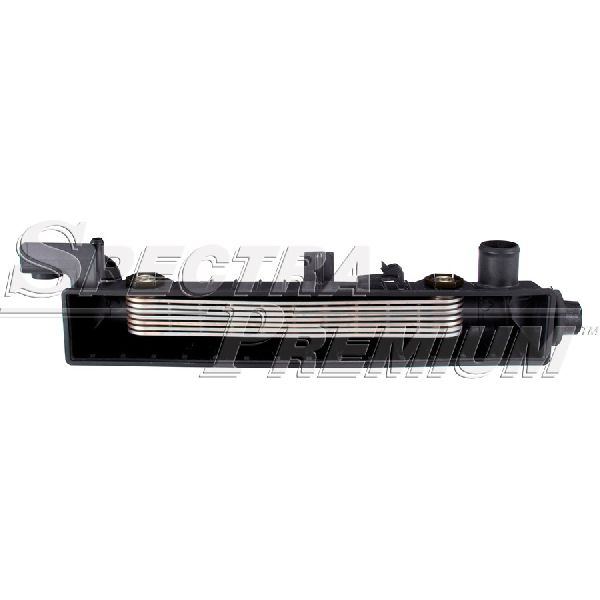
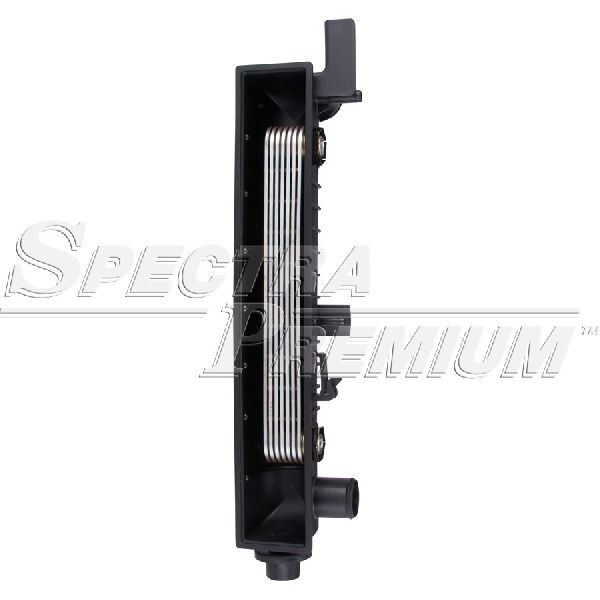
- Confirm if your radiator has connections for an engine oil cooler before ordering a replacement.
Signs of a Failing Radiator in Your Yukon

When your Yukon's radiator starts to fail, it will give you clear signs. Ignoring them can lead to serious engine damage from overheating. Be on the lookout for these symptoms:
- Engine Temperature Gauge Climbing: The most obvious sign is your temperature gauge reading hotter than normal, especially when stopped in traffic or climbing hills.
- Visible Coolant Leaks: You might see puddles of orange or green fluid under the front of your Yukon after it's been parked.
- Low Coolant Level: Frequently needing to top off your coolant reservoir is a sure sign of a leak somewhere in the system.
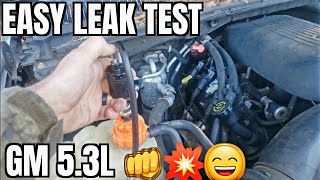
- Pink or Orange Crusty Deposits: The factory Dex-Cool coolant often leaves behind a pink or orange crusty residue where it leaks and dries. Check the sides of your radiator 🎬 Watch: How to perform a coolant pressure test for leaks where the plastic tanks meet the aluminum core.
- Steam from Under the Hood: If you see steam, pull over immediately. This means hot coolant is spraying onto hot engine parts.
Known Issue: Plastic End Tank Failure
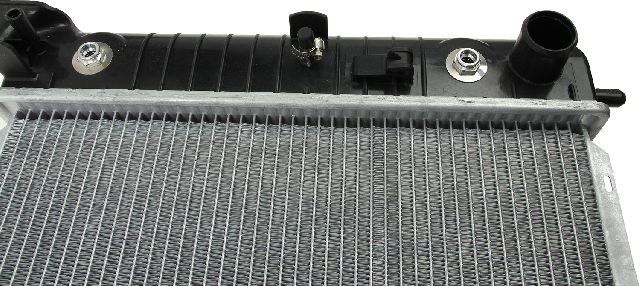
The most common point of failure on 2000-2007 GMC Yukon radiators is where the plastic side tanks are crimped to the aluminum center core. After years of heat cycles, the plastic becomes brittle and can crack, or the gasket between the tank and the core will fail. This typically results in a slow leak that gets progressively worse. When shopping for a replacement, you'll see standard plastic/aluminum options and more expensive full-aluminum radiators that eliminate this failure point.
Choosing the Right Aftermarket Radiator

With dozens of options available, picking the right radiator can be confusing. They generally fall into three tiers of quality and price.
Tier 1: Economy Brands
These are the most affordable options and are often sold as store brands or under value-focused names. They are a good choice if the budget is your primary concern. While they will fit and function, their long-term durability may not match that of higher-priced units. Expect brands like APDI, Onix, One Stop Solutions, and some store-specific labels like Duralast or Murray in this category.
Tier 2: OEM-Equivalent Brands
This is the sweet spot for most Yukon owners, offering a balance of quality, fit, and price. These brands are often original equipment manufacturers for many car companies. They are designed to meet or exceed the original factory specifications. Look for brands like Denso, Spectra, and ACDelco's aftermarket line. Many professional mechanics and experienced DIYers trust these brands for reliable, everyday use.
Tier 3: Performance & Heavy-Duty Brands
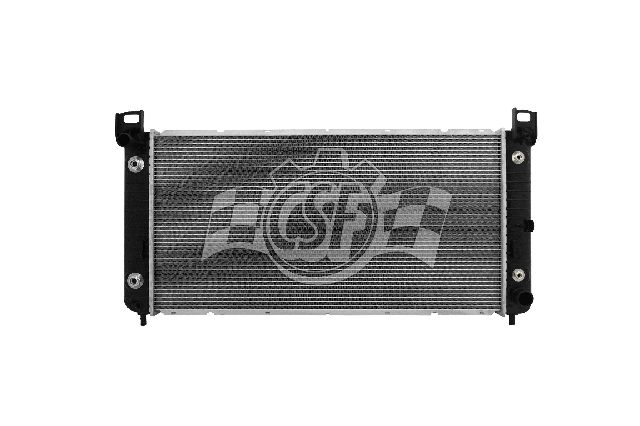
If you tow heavy loads, use your Yukon for high-performance applications, or simply want the most durable option, this tier is for you. Brands like Mishimoto, Frostbite, CSF, and Koyorad often feature all-aluminum, welded construction. This design completely eliminates the plastic end tanks, which are the most common failure point on the stock design. While they are the most expensive, they offer superior cooling and longevity.
Pro Tip: Check Your Cooler Connections
Before you order, confirm if your Yukon's radiator cools just the transmission fluid (TOC), or both the transmission and engine oil (TOC and EOC). They require different radiators. You can check by seeing how many cooler lines go into the side of your current radiator. Most V8 models will have connections for the transmission cooler.
Cost to Replace a GMC Yukon Radiator

The cost depends on the parts you choose and whether you do the work yourself. The job is manageable for a DIYer with basic tools.
| Item | Estimated Cost |
|---|---|
| New Aftermarket Radiator | $100 - $350 |
| New Performance/HD Radiator | $400 - $700+ |
| New OEM Radiator | $300 - $500+ |
| Coolant (Dex-Cool) | $20 - $40 |
| Shop Labor | $250 - $500 |
| Total (DIY) | $120 - $390 |
| Total (Shop Installed) | $370 - $900+ |
Frequently Asked Questions

Is replacing the radiator a DIY job?
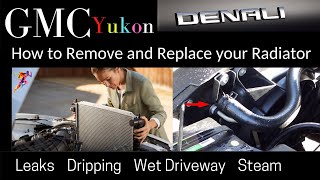
Yes, for many people it is. The process involves draining the coolant, removing the air intake and fan shroud, disconnecting hoses and cooler lines, and unbolting the radiator brackets. It requires basic hand tools and no special equipment, though hose clamp pliers are very helpful. Expect it to take 2-4 hours.
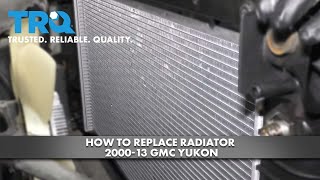
🎬 Watch: Complete radiator replacement walkthrough for 2000-2013 modelsDo I need an all-aluminum radiator?
For most daily driving, a quality OEM-style radiator with plastic tanks is perfectly fine and will last for many years. If you frequently tow, live in a very hot climate, or want to prevent the common plastic tank failure for good, an all-aluminum radiator from a brand like Mishimoto is a worthwhile upgrade.
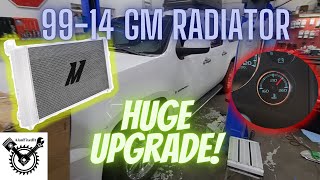
🎬 See this step-by-step Mishimoto performance radiator installationWhat coolant should I use for my 2000-2007 Yukon?
These trucks left the factory with GM's Dex-Cool coolant, which is an orange or pink-colored Organic Acid Technology (OAT) formula. It's recommended to stick with a compatible Dex-Cool coolant to avoid chemical reactions and potential damage to the cooling system.
Should I replace my radiator hoses at the same time?
Absolutely. If you're replacing the radiator, it's the perfect time to replace the upper and lower radiator hoses, as well as the thermostat. These parts are relatively inexpensive and wear out over time. Replacing them all at once is cheap insurance against future cooling system problems.
Helpful Videos
Technical Specifications
OEM Part Numbers: 22840117 15253337 21650
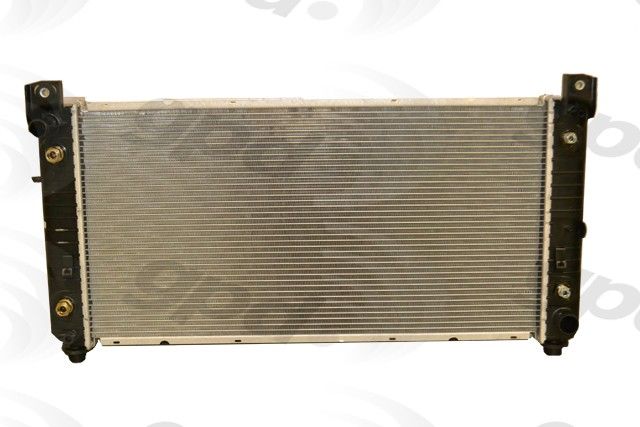
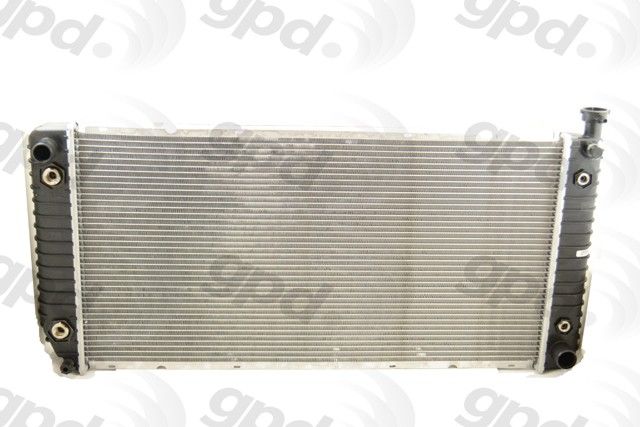
Core material is typically aluminum. Tank material is either plastic (OEM-style) or aluminum (Performance). Core height and width can vary, with common core sizes being around 28 inches or 34 inches wide. Must verify compatibility with or without engine oil cooler (EOC).
We Have This Part in Stock

The information in this article is provided for general reference and educational purposes only. Vehicle specifications, procedures, and part compatibility can vary by production date, trim level, and region. Always consult your vehicle's factory service manual and verify part numbers before purchasing or performing repairs. Safety-critical components such as airbags, seat belts, and braking systems should be installed by a qualified professional.
- GMC Yukon:
- 🎬 Helpful Videos
- 🛍️ Shop This Part
- Signs of a Failing Radiator in Your Yukon
- Known Issue: Plastic End Tank Failure
- Choosing the Right Aftermarket Radiator
- Tier 1: Economy Brands
- Tier 2: OEM-Equivalent Brands
- Tier 3: Performance & Heavy-Duty Brands
- Pro Tip: Check Your Cooler Connections
- Cost to Replace a GMC Yukon Radiator
- Frequently Asked Questions
- 🎟️ Get 5% Off