

A Mechanic's Guide to Front Brake Pads for the 2000-2007 Honda Insight
Understand how your Insight's unique hybrid system affects brake pad choice and longevity.
- Your Insight's brake pads last a very long time (often 100k+ miles) due to regenerative braking, but this can cause rust.
- Inspect the brakes annually for rust and seized caliper pins, not just for pad thickness.
- Choose a quality ceramic aftermarket pad for quiet, low-dust performance that is ideal for this car.
- Periodically perform a few hard stops in a safe location to keep brake components clean and moving freely.
Understanding Brake Pads on Your First-Gen Insight
The 2000-2007 Honda Insight is not a typical car, and its brakes are no exception. The most important factor is the regenerative braking system, which uses the electric motor to slow the car down. This means your brake pads do a lot less work. It's common for original pads on these cars to last over 100,000 miles. However, this infrequent use can lead to its own set of problems.
A Unique Problem: Rust and Seizure
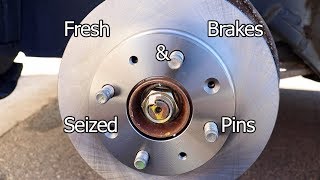
Because the brake pads are used so little, moisture can cause rust to build up on the brake rotors and caliper components. Caliper slide pins can get stuck, causing uneven pad wear or dragging. In some cases, the pad material can even separate from its metal backing plate due to rust.
Pro Tip: Exercise Your Brakes
Once a month, in a safe area with no traffic, perform a few hard stops from about 40-50 mph. Do not lock up the wheels. This helps clean rust off the rotors, heats up the pads, and keeps the caliper pins moving freely, preventing them from seizing.
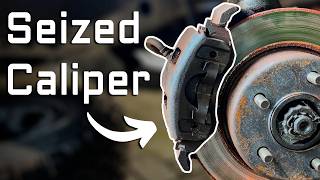
🎬 Watch: How to fix a stuck or seized brake caliperSymptoms of Worn or Failing Brake Pads
Even with long life, Insight brake pads will eventually wear out. Here’s what to look for:
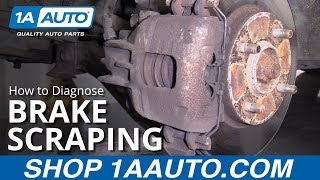
- Squealing or Grinding Noises: A high-pitched squeal when you apply the brakes usually comes from the built-in wear indicator, a small metal tab that contacts the rotor when the pad is low. A grinding noise means the pads are completely worn down, and metal is grinding on metal, which is a serious issue. 🎬 See this guide on diagnosing vibrating and grinding brake noises
- Spongy or Soft Brake Pedal: If the pedal feels less responsive or goes down further than usual, it could indicate worn pads or, in some cases, air in the brake lines.
- Pulling to One Side: If the car pulls to the left or right when braking, it may be caused by a stuck caliper or unevenly worn pads.
- Vibration: A pulsing or vibrating feeling in the brake pedal or steering wheel during braking often points to unevenly worn rotors, which can happen if pads have been worn for too long.
Choosing the Right Aftermarket Brake Pads
Since you're not buying pads every year, it's worth getting a decent set. For the Insight, the focus should be on quality materials that resist rust and provide quiet, reliable stopping, not on extreme high-performance. All listed brands offer pads that are a good fit for this car.
Tier 1: Quality Daily Driver Pads
These brands offer excellent value and are perfect for the typical Insight owner. They provide OEM-like performance, low noise, and are made with modern ceramic or semi-metallic formulas. They are a significant step up from budget, no-name parts.
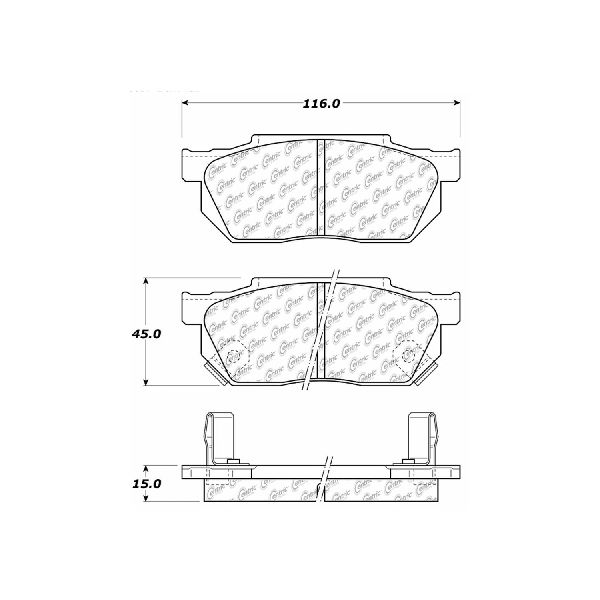
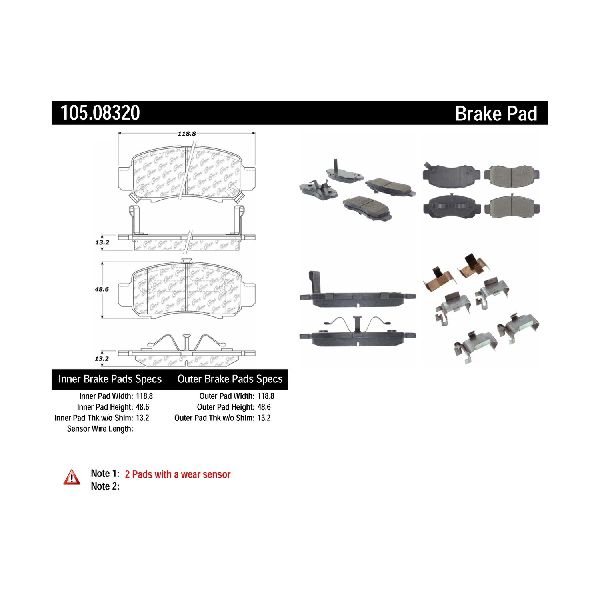
- Centric: A very popular and well-respected aftermarket brand. Their Posi-Quiet and C-TEK lines offer great performance for the price.
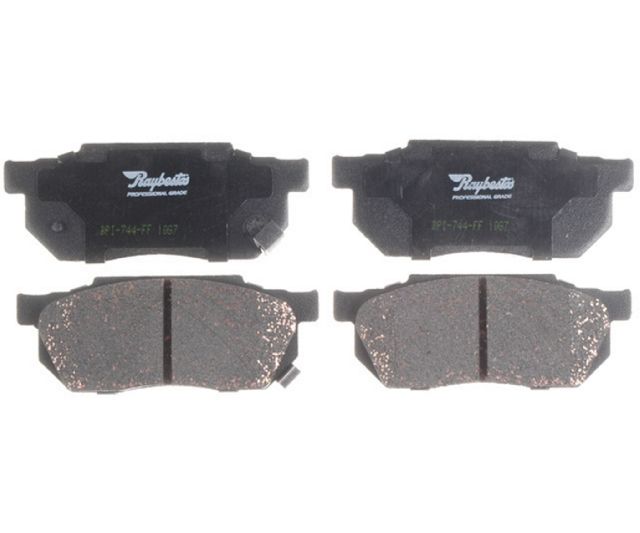
- Raybestos: Known for their slogan "The best in brakes," Raybestos Element3 and PG Plus lines are considered high-quality, reliable options.
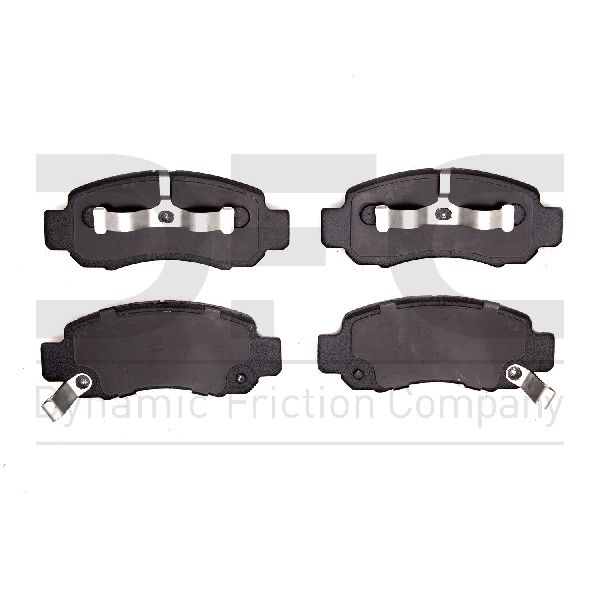
- Dynamic Friction: A solid brand offering quality daily-driver pads that meet or exceed OEM specifications.
Tier 2: Premium & Performance-Oriented Pads
These brands often feature enhanced coatings for rust prevention, premium hardware, and formulas designed for slightly better bite or fade resistance. While not strictly necessary for an Insight, they are a good choice if you want the best rust protection or a slight performance edge.
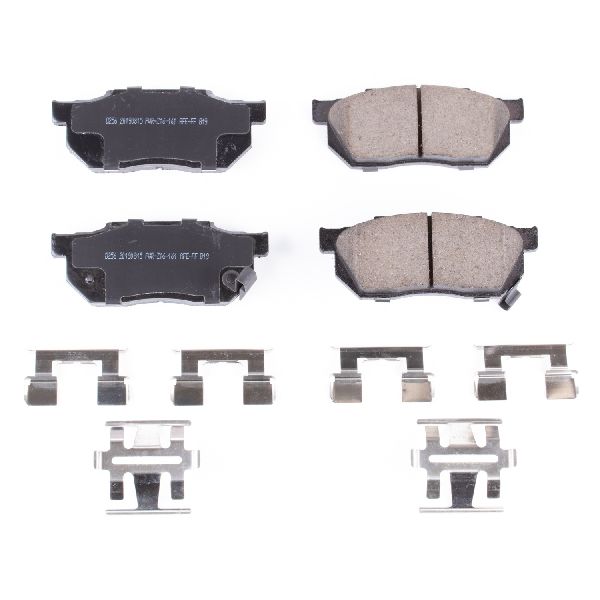
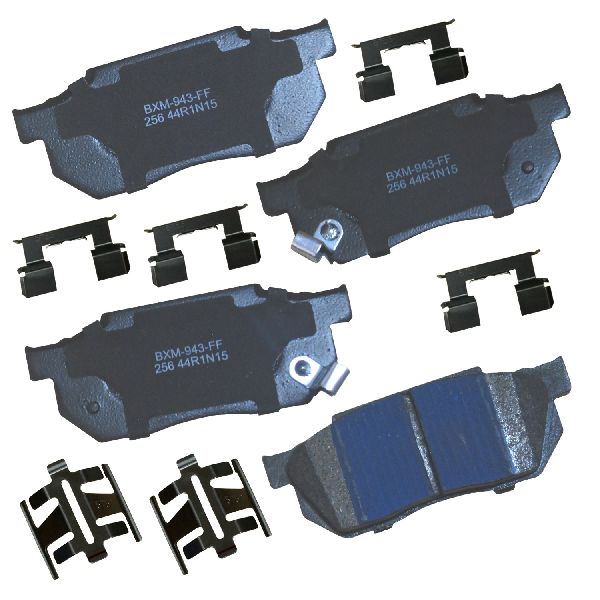
- Powerstop: Their Z17 Evolution Plus ceramic pads are known for being low-dust and often come in kits with all new hardware and rubber components.
- EBC Brakes: EBC offers different compounds, from the OEM-replacement Ultimax to the sportier Greenstuff. For an Insight, the Ultimax is more than enough and provides excellent quality, though they can sometimes be dustier than ceramic options.
- Bendix: A long-standing brand with a reputation for quality, offering reliable pads that are a safe bet for any daily driver.
| Part/Service | Estimated Cost |
|---|---|
| New Aftermarket Pad Set | $22 - $95 |
| New OEM Pad Set | $65 - $95 |
| Shop Labor | $100 - $180 |
| Total (Aftermarket Parts + Labor) | $122 - $275 |
Frequently Asked Questions (FAQ)
Do I need ceramic or semi-metallic pads for my Insight?
For the Insight, a quality ceramic pad is usually the best choice. Ceramic pads are quiet, produce very little dust, and are gentle on brake rotors. Semi-metallic pads can offer slightly better performance in extreme cold or when towing (not applicable to an Insight), but are often noisier and dustier. Given the Insight's light weight and regenerative braking, the quiet, clean operation of ceramic pads is a perfect match.
How does regenerative braking really affect my brake pads?
Regenerative braking dramatically reduces how often your physical brake pads are used. The system captures energy to charge the battery by using the electric motor to slow the car. This means the pads and rotors can last for an incredibly long time, but it also means they are more susceptible to rust from inactivity. Regular inspection is key.
Do I have to replace my brake rotors when I replace the pads?
Not always, but it's highly recommended, especially on an older vehicle. If the rotors are rusted, scored, or worn below the minimum thickness stamped on the rotor hub, they must be replaced. Installing new pads on old, worn rotors will reduce braking performance and wear out the new pads much faster. Given the low cost of new rotors, it's smart to replace them at the same time.
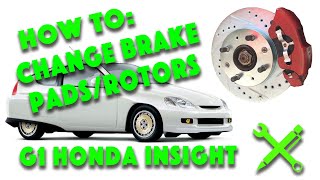
🎬 Watch: How to change rotors and pads the right wayAre there any recalls for the 2000-2007 Insight brakes?
No. There are no active or major recalls specifically for the brake pads or hydraulic braking system on the 2000-2007 Honda Insight. Some unrelated recalls exist for other components or later model years, but the conventional braking system on the first-generation model has proven to be reliable.
Helpful Videos
Technical Specifications
OEM Part Numbers: 45022-S3Y-A03 45022-S3Y-A02 45022-S3Y-A01 45022-S3Y-A00
The 2000-2007 Honda Insight uses a front disc, rear drum brake setup. This guide is for the front disc brake pads only.
We Have This Part in Stock

The information in this article is provided for general reference and educational purposes only. Vehicle specifications, procedures, and part compatibility can vary by production date, trim level, and region. Always consult your vehicle's factory service manual and verify part numbers before purchasing or performing repairs. Safety-critical components such as airbags, seat belts, and braking systems should be installed by a qualified professional.
- Honda Insight:
- 🎬 Helpful Videos
- 🛍️ Shop This Part
- Understanding Brake Pads on Your First-Gen Insight
- A Unique Problem: Rust and Seizure
- Pro Tip: Exercise Your Brakes
- Symptoms of Worn or Failing Brake Pads
- Choosing the Right Aftermarket Brake Pads
- Tier 1: Quality Daily Driver Pads
- Tier 2: Premium & Performance-Oriented Pads
- Frequently Asked Questions (FAQ)
- 🎟️ Get 5% Off