

Jeep Wrangler TJ Alternator Guide (2000-2007): Symptoms, Brands, and Replacement
Keep your 2000-2007 Jeep Wrangler's electrical system reliable by choosing the right new aftermarket alternator.
- A failing alternator will cause dim lights, a battery warning light, or a whining noise from the engine.
- The voltage regulator is inside the engine computer (PCM), not the alternator; a bad PCM can mimic a bad alternator.
- For stock Jeeps, a standard 117-amp alternator is fine; if you have a winch or other major accessories, upgrade to a high-output unit.
- Bosch and Denso are considered top-quality aftermarket brands; Crown and Omix-Ada are acceptable Jeep-specific options.
Is Your Jeep's Alternator Failing?
A failing alternator in a 2000-2007 Jeep Wrangler TJ gives clear warning signs. If you notice your headlights dimming at idle and brightening when you rev the engine, your alternator is likely struggling. You might also see the battery light illuminate on your dashboard, hear a whining or grinding noise from the engine bay, or experience slow-cranking starts. In some cases, the voltage gauge on your dash might drop suddenly while driving. These symptoms mean the alternator isn't producing enough power to run the vehicle's electrical systems and charge the battery, a problem you shouldn't ignore.
A Known Issue: PCM Voltage Regulator
On Jeep TJs, the voltage regulator is part of the Powertrain Control Module (PCM), not the alternator itself. Sometimes, charging problems aren't caused by a bad alternator but by a failing voltage regulator inside the PCM. If you replace the alternator and still have charging issues (like a persistent battery light or incorrect voltage), the PCM may be the culprit. A common solution for this is to install an external voltage regulator kit, which bypasses the faulty part of the PCM.
Choosing a New Aftermarket Alternator
When replacing the alternator on your Wrangler, you have options. While a Mopar OEM part is an option, high-quality aftermarket parts can offer similar performance at a better price. For the TJ, the choice often comes down to standard replacement versus a high-output unit.
Standard vs. High-Output
A standard replacement alternator (typically 117 amps for the 4.0L engine) is perfect for a stock or lightly modified Jeep. It will reliably power all factory components. However, if you run heavy-duty accessories like a winch, powerful off-road lights, or a large audio system, you should consider a high-output alternator. These can provide 160 amps or more, ensuring you have enough power for all your gear without draining the battery. Upgrading to a high-output unit often requires upgrading your main power wires (the "Big 3" wiring upgrade) to handle the extra current safely.
Aftermarket Brand Quality
Not all aftermarket brands are created equal. Here’s a general breakdown based on owner experiences and reputation:
- Premium Brands (Bosch, Denso): These brands are often original equipment manufacturers for many automakers. They are known for excellent quality and reliability. A new or remanufactured alternator from Bosch or Denso is considered a top-tier choice that should meet or exceed factory performance.
- Trusted Aftermarket (ACDelco, Remy, WAI Global): These are well-regarded brands in the aftermarket. ACDelco is GM's parts brand but offers parts for many vehicles, and their quality is generally trusted. Remy and WAI Global are also established names that produce reliable alternators.
- Jeep Specialist Brands (Crown Automotive, Omix-Ada): These brands specialize in Jeep replacement parts. Forum discussions show mixed but generally acceptable experiences. Some users prefer Crown over Omix-Ada for better fit and quality, while others use them interchangeably when OEM parts are unavailable. They are a viable option, especially for stock replacement needs.
Pro Tip: Many owners recommend finding a local auto electric shop that can rebuild your original Denso alternator if possible. This can be a cost-effective way to get a high-quality, reliable part. If not, choosing a remanufactured unit from a premium brand like Bosch or Denso is a solid alternative.
Frequently Asked Questions (FAQ)
Do I need a high-output alternator?
If your Jeep is stock, a standard 117-amp alternator is sufficient. If you have added high-draw electrical accessories like a winch, large light bars, or a powerful stereo, you should upgrade to a high-output alternator (160+ amps) to prevent draining your battery.
What is a core charge?
Many remanufactured alternators have a "core charge." This is a refundable deposit you pay when you buy the part. You get the deposit back when you return your old, failed alternator to the store. This allows the manufacturer to rebuild the old part. New alternators typically do not have a core charge.
Is it hard to replace the alternator on a 2000-2007 Wrangler?
Replacing the alternator on a TJ is a straightforward job for a DIY mechanic. It's typically located at the top of the engine and is easily accessible. The process involves disconnecting the battery, releasing the serpentine belt tension, unbolting the old alternator, and installing the new one. It requires basic hand tools and can usually be done in 1-2 hours.
My battery light is still on after replacing the alternator. What's wrong?
If a new alternator doesn't fix your charging problem, the issue could be a weak battery that can no longer hold a charge, corroded battery cables, or a bad ground connection. On these Jeeps, it could also be a faulty voltage regulator in the PCM, which is a known issue.
Technical Specifications
OEM Part Numbers: 56041864AA 56041864AB 56044530AC R6044530AC
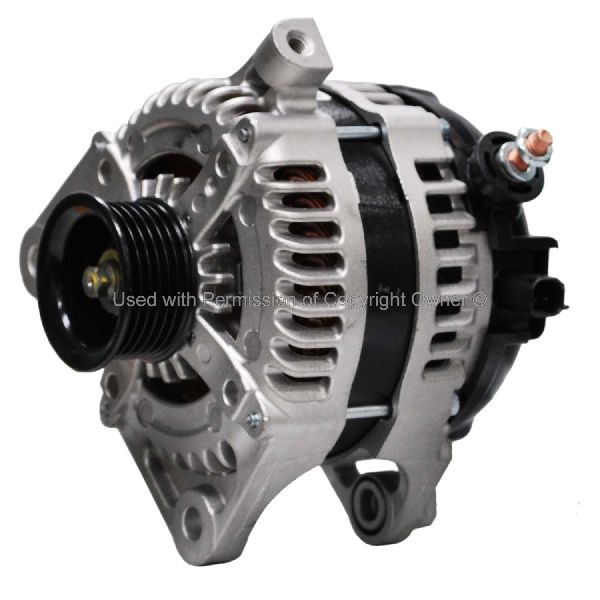
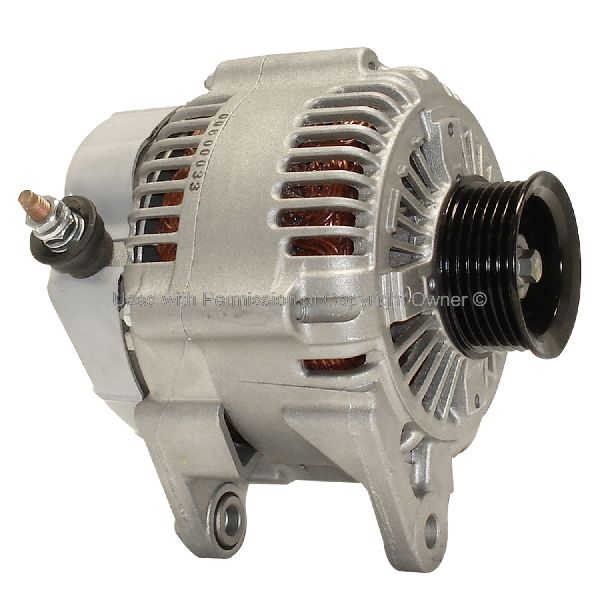
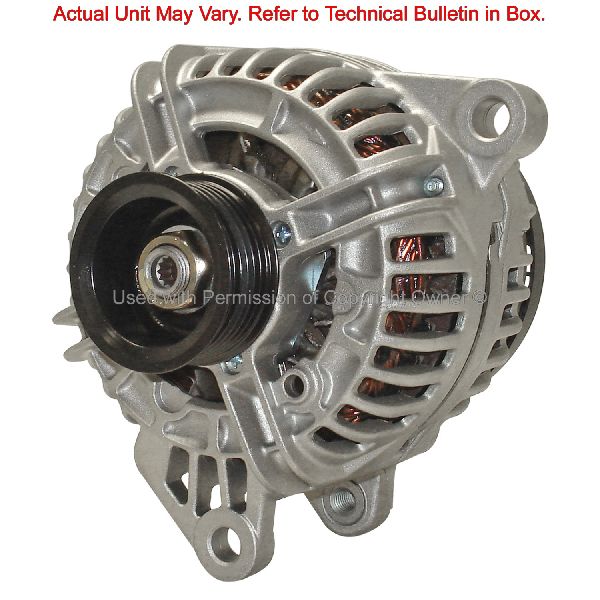
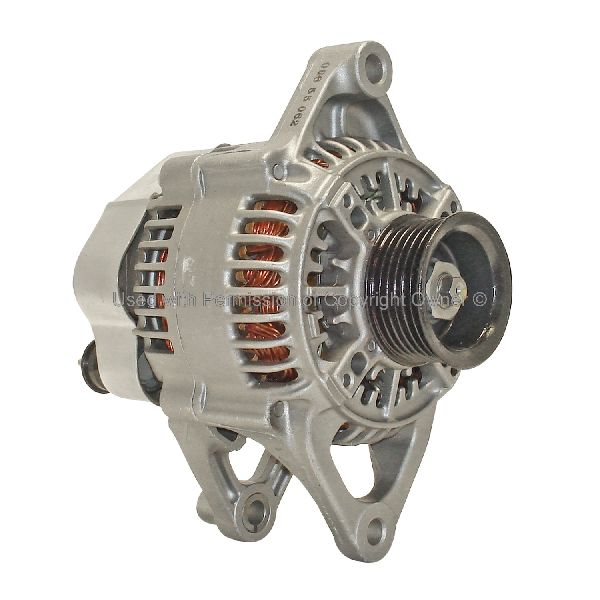
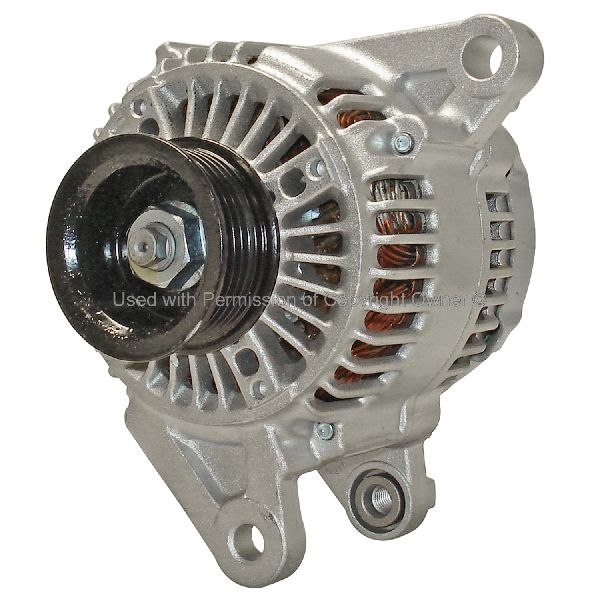
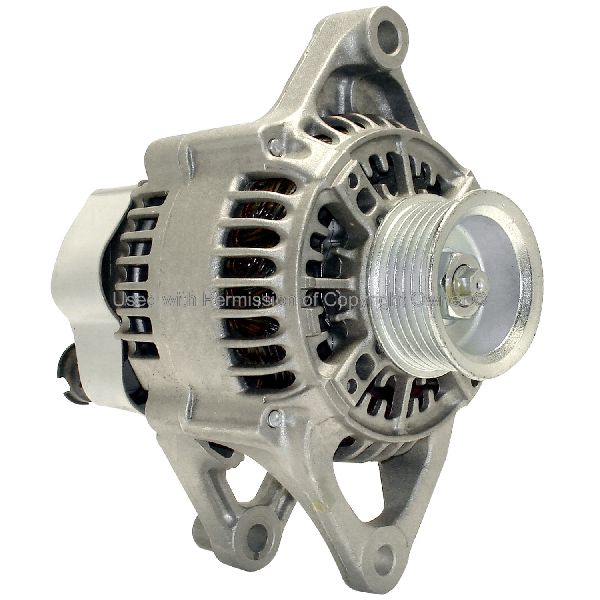
The most common alternator for the 4.0L I6 engine is a 117-amp unit. It features a 6-groove pulley and clockwise rotation. The voltage regulator is externally controlled by the Powertrain Control Module (PCM).
We Have This Part in Stock

The information in this article is provided for general reference and educational purposes only. Vehicle specifications, procedures, and part compatibility can vary by production date, trim level, and region. Always consult your vehicle's factory service manual and verify part numbers before purchasing or performing repairs. Safety-critical components such as airbags, seat belts, and braking systems should be installed by a qualified professional.
- Jeep Wrangler: