

Jeep Wrangler TJ Ignition Coil Guide (2000-2007)
Everything you need to know before replacing the ignition coil on your 4.0L, 2.5L, or 2.4L Jeep Wrangler TJ.
- A rough idle and engine misfire (codes P0300-P0306) are the most common signs of a bad ignition coil on a TJ Wrangler.
- For the 4.0L engine, many owners recommend using OEM Mopar coils for reliability, but quality aftermarket brands like NGK and Delphi are good alternatives.
- Replacement is a simple DIY job for most owners, typically taking less than an hour with basic tools.
- Always replace spark plugs at the same time as the coil rail to ensure optimal performance and longevity.
Is Your Ignition Coil Failing?

A bad ignition coil in a Jeep Wrangler TJ can cause problems that are hard to ignore. The most common sign is a rough-running engine. You might feel shaking at idle or stuttering when you accelerate. This is often due to an engine misfire, where one or more cylinders aren't firing correctly. A flashing check engine light is a serious symptom that often accompanies a misfire under acceleration. Other signs include the engine being hard to start, a noticeable loss of power, and worse fuel economy.
Check Engine Light Codes
If your check engine light is on, a code scanner can help pinpoint the problem. Codes from P0300 to P0306 indicate a cylinder misfire (e.g., P0301 is cylinder 1, P0306 is cylinder 6). Codes from P0350 to P0362 can point more directly to a problem with the ignition coil itself.
🎬 Watch: How to diagnose a P0300 misfire code.OEM vs. Aftermarket Coils

When it comes to ignition parts for the 4.0L engine, many experienced Jeep owners and mechanics strongly recommend sticking with original equipment (OEM) Mopar parts. Forum discussions frequently mention that the 4.0L engine can be picky about electrical components, and aftermarket coils sometimes have a shorter lifespan or cause issues. However, a Mopar coil rail can be significantly more expensive.
For those on a budget or when Mopar isn't available, certain aftermarket brands have a better reputation. Brands like NGK, Delphi, and Standard Ignition are often seen as reliable alternatives. High-performance options like MSD are also available, which claim to improve spark and responsiveness. Budget-friendly brands offer a lower upfront cost, but may not have the same durability as OEM or premium aftermarket options. The choice often comes down to balancing cost, quality, and how long you plan to keep your Jeep.
Choosing the Right Aftermarket Coil
With dozens of options, picking the right part can be confusing. Here’s a breakdown of brand tiers based on reputation and owner feedback:
- Premium Aftermarket (Good Bet): Brands like Delphi, NGK, Hitachi, and Standard Ignition are well-regarded in the industry. They often manufacture parts for the original automakers and provide quality that is close to or meets OEM standards. These are a solid choice if you want reliability without the full Mopar price tag.
- Reputable Standard Aftermarket (Mid-Range): Brands such as Hella, Walker Products, and Spectra fall into this category. They offer a good balance of price and quality and are generally a safe bet for a daily driver.
- Economy/Value (Budget-Focused): Brands like DriveWire, Global Parts, and Encore Automotive provide the most budget-friendly options. While they can get your Jeep back on the road, their long-term durability might not match that of the premium brands.
Pro Tip: Replace Your Plugs, Too
While you're replacing the ignition coil, it's the perfect time to install new spark plugs. The coil rail on the 4.0L has to be removed to access the plugs anyway. Using fresh plugs ensures you get the best performance and prevents an old, worn plug from damaging your new coil.
🎬 See this walkthrough for changing spark plugs and the coil rail.Cost of Replacing a Jeep Wrangler Ignition Coil
| Part Type | Estimated Cost |
|---|---|
| New Aftermarket Coil | $20 - $178 |
| New OEM (Mopar) Coil | $150 - $250+ |
| Shop Labor | $135 - $197 |
| Total Professional Replacement | $263 - $526+ |
Frequently Asked Questions

Is it hard to replace a Wrangler TJ ignition coil?
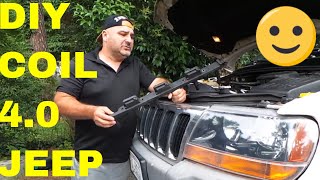
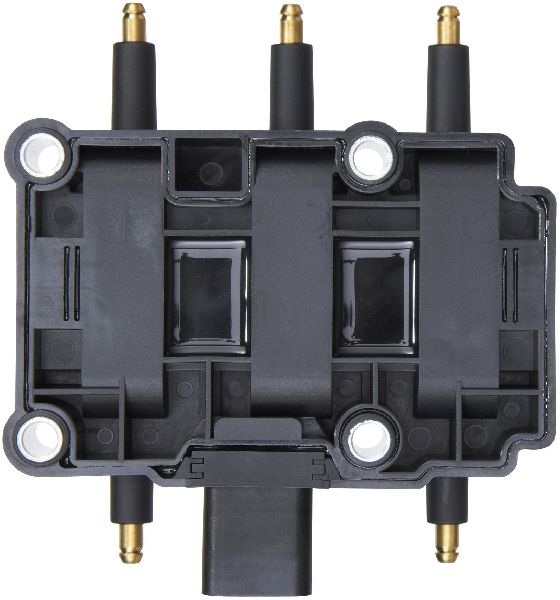
For the popular 4.0L engine, the replacement is straightforward. It involves removing four bolts and a single electrical connector. The most difficult part is often disconnecting the electrical plug at the back of the coil rail, which can be stiff. 🎬 Watch: Pro tips for removing the 4.0L coil rail. For 2.4L and 2.5L engines, the process is also considered easy for a DIY mechanic. Most people can do the job in under an hour with basic hand tools.
What's the difference between the 2000-2004 and 2005-2006 4.0L coils?
The primary ignition system for the 4.0L engine from 2000-2006 uses a coil rail assembly. While there may be minor revisions, the fundamental design and replacement procedure are very similar across these years. Always confirm the part number for your specific year and engine to ensure a perfect fit.
Are there any recalls for the 2000-2007 Wrangler ignition coil?
No, searches of the National Highway Traffic Safety Administration (NHTSA) database did not show any recalls for ignition coils on the 2000-2007 Jeep Wrangler. There is a known Technical Service Bulletin (TSB) for some 4.0L engines that experience a misfire after a hot soak (restarting the engine after a short stop), but this is often related to fuel injector heat soak, not the coil itself.
Can I drive with a bad ignition coil?
It is not recommended. While the Jeep might still run, a misfiring engine runs inefficiently, can cause unburnt fuel to damage the catalytic converter, and creates an unsafe loss of power. If the check engine light is flashing, you should pull over and have the vehicle towed to avoid expensive damage.
Helpful Videos
Technical Specifications
OEM Part Numbers: 56041476AA 56041476AB
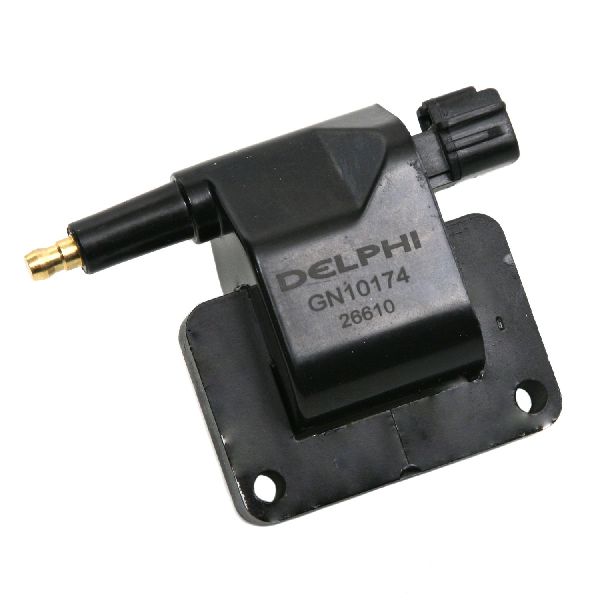
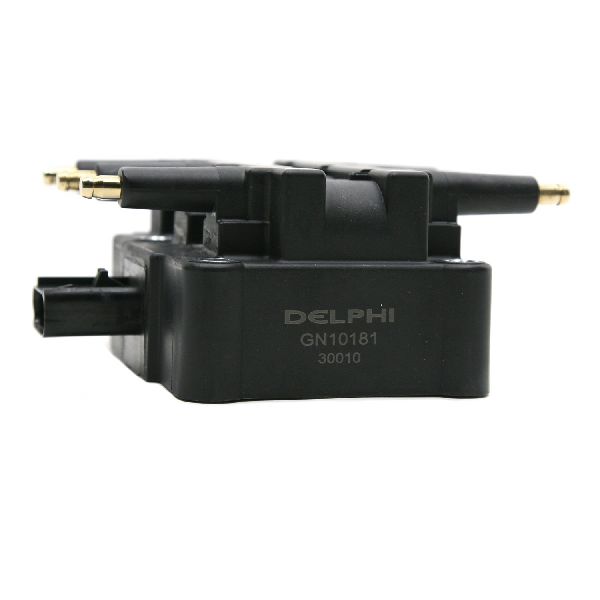
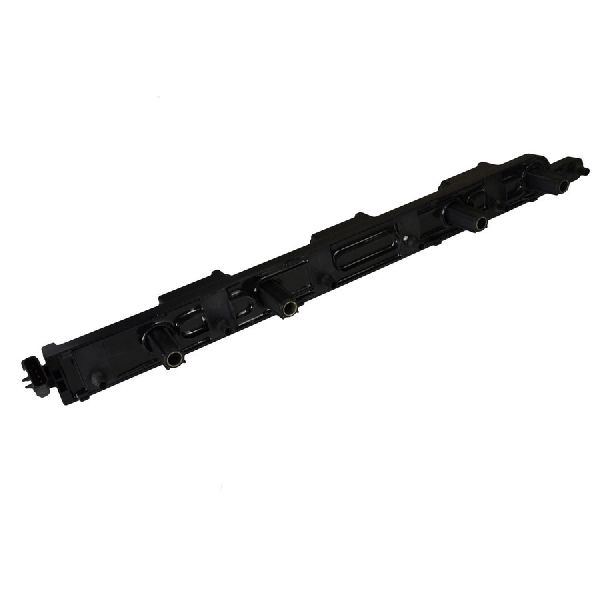
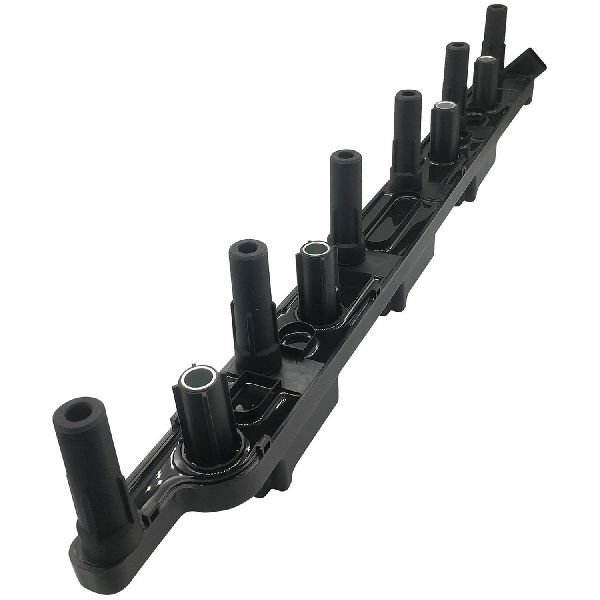
For 4.0L engines (2000-2006), the part is a one-piece coil rail assembly. For 2.4L (2003-2006) and 2.5L (2000-2002) engines, the part is a smaller, block-style ignition coil pack.
We Have This Part in Stock


The information in this article is provided for general reference and educational purposes only. Vehicle specifications, procedures, and part compatibility can vary by production date, trim level, and region. Always consult your vehicle's factory service manual and verify part numbers before purchasing or performing repairs. Safety-critical components such as airbags, seat belts, and braking systems should be installed by a qualified professional.
- Jeep Wrangler: