

Peterbilt 379 Coolant Temperature Sensor: A Guide for 2000-2007 Models
Understanding the signs of a failing coolant temperature sensor is key to preventing engine issues in your Peterbilt 379.
- You must identify your engine (e.g., Caterpillar, Cummins) before buying, as the sensor's location and part number differ.
- Symptoms of failure include poor fuel economy, black smoke, overheating, and the engine fan running constantly.
- Always inspect the sensor's wiring and connector for damage before replacing the part, as wiring faults are common.
- While an aftermarket sensor is much cheaper, an OEM sensor from Paccar or the engine maker is generally recommended for better reliability.
Is Your Peterbilt 379 Showing Signs of a Bad Coolant Sensor?

A failing coolant temperature sensor can cause a range of problems, from minor annoyances to issues that can sideline your truck. Because this sensor provides critical data to the ECM, a bad signal can make the engine behave as if it's either too hot or too cold, regardless of its actual temperature. Watch for these common symptoms:
- Check Engine Light: This is often the first sign. The ECM will log a fault code when it receives an illogical signal from the sensor.
- Poor Fuel Economy: If the sensor incorrectly tells the ECM the engine is cold, the computer will enrich the fuel mixture, causing the engine to burn more fuel than necessary.
- Black Smoke from Exhaust: A rich fuel mixture that isn't burning completely can result in black smoke coming from the exhaust pipe.
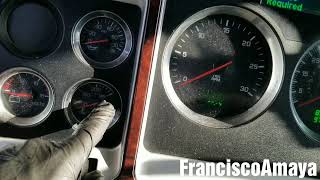
- Engine Overheating: A sensor that fails to report a high temperature can prevent the cooling fan from turning on, leading to the engine overheating. 🎬 See how a bad thermostat causes overheating on Cummins ISX engines.
- Engine Fan Runs Constantly: Conversely, if the sensor is stuck sending a "hot" signal, it can cause the engine fan to run all the time, even when the engine is cold, which wastes power.
- Erratic Temp Gauge: The temperature gauge on your dash may behave strangely, showing a reading that is too high or too low, or not moving at all.
Engine Identification is Crucial
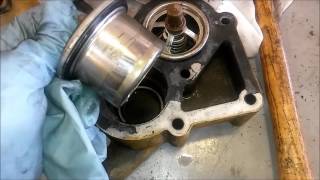
The 2000-2007 Peterbilt 379 was available with different engines, most commonly from Caterpillar (like the C15) and Cummins (like the ISX). The exact location and part number for the coolant temperature sensor will vary depending on which engine your truck has. Before ordering a replacement, you must identify your engine to ensure you get the correct part. The sensor is generally found near the thermostat housing.
🎬 Watch: How to access the thermostat housing on CAT engines.Choosing Your Aftermarket Replacement Sensor

When replacing a critical electronic part like a coolant temperature sensor, you have a choice between an OEM part from Paccar or the engine manufacturer (Caterpillar, Cummins) and an aftermarket part. For a component that can impact engine performance and potentially leave you stranded, quality matters.
Many experienced mechanics and truck owners prefer to use OEM sensors because they are built to the original manufacturer's exact specifications and tend to be more reliable and durable. Aftermarket sensors, like the "Replacement" brand, offer a significant cost saving. While they are designed to be a direct fit, their long-term reliability can sometimes be a concern compared to OEM. For the Peterbilt 379, a standard aftermarket sensor is a budget-friendly option that can resolve the immediate issue, but an OEM sensor is often considered a better long-term investment in reliability.
| Part Type | Estimated Price Range |
|---|---|
| New OEM (Paccar/Cummins/CAT) | $70 - $165 |
| New Aftermarket (Replacement Brand) | $17.35 |
| Shop Labor | $120 - $200 |
Pro Tip: Check the Wiring First
🎬 Watch: Replacing the coolant level sensor and reservoir on a Peterbilt.Before you replace the sensor, inspect the wiring harness and connector. On heavy-duty trucks, wiring issues are a frequent cause of sensor-related fault codes. Look for corroded pins, broken wires, or insulation that has been rubbed through, especially within a few inches of the connector or where the harness might contact the engine or transmission. A simple wiring repair might solve the problem without needing a new sensor.
Frequently Asked Questions (FAQ)

Where is the coolant temperature sensor located on a Peterbilt 379?
The location depends on your engine. Generally, you will find it screwed into the thermostat housing, which is where the large upper radiator hose connects to the engine. On some engines like the CAT C15, it can be located low on the housing, sometimes behind the A/C compressor, making it harder to see and reach.
Can I replace the coolant temperature sensor myself?
Yes, this is a DIY-feasible job for someone with basic mechanical skills. The process involves locating the sensor, unplugging the electrical connector, and unscrewing the old sensor. When installing the new one, it's best to do it when the engine is cold to avoid burns and minimize coolant loss. Some coolant may leak out, so have a drain pan ready. The job typically takes less than an hour.
Are there any recalls for the coolant sensor on the 2000-2007 Peterbilt 379?
No, searches of the National Highway Traffic Safety Administration (NHTSA) database did not find any specific recalls or technical service bulletins (TSBs) for the coolant temperature sensor on this model range.
What do the fault codes for a bad coolant sensor mean?
Common generic fault codes include P0117 (Sensor Circuit Low Voltage) and P0118 (Sensor Circuit High Voltage). Cummins engines may show specific codes like Fault Code 144 (low temperature) or 145 (high temperature). These codes indicate that the ECM is seeing a signal from the sensor that is outside its expected range, pointing to a problem with the sensor or its wiring.
Helpful Videos


Technical Specifications
OEM Part Numbers: Q211002 16-10417 5055401
2-prong male blade-type terminal connector.

The information in this article is provided for general reference and educational purposes only. Vehicle specifications, procedures, and part compatibility can vary by production date, trim level, and region. Always consult your vehicle's factory service manual and verify part numbers before purchasing or performing repairs. Safety-critical components such as airbags, seat belts, and braking systems should be installed by a qualified professional.
- Peterbilt 379: