

A Guide to Replacing Brake Calipers on Your 2000-2007 Toyota Camry
Understand the signs of a failing brake caliper and learn how to choose the best new aftermarket part for your Camry.
- A sticking caliper is a common failure on the 2000-2007 Camry, especially the rear slide pins in rust-prone climates.
- For this vehicle's age, a new aftermarket caliper from a standard brand like Centric or Raybestos offers the best mix of reliability and value.
- Always replace calipers in pairs (both fronts or both rears) and bleed the brake system thoroughly after installation.
- Consider calipers with a protective coating to prevent rust, which is the primary cause of seizing.
Symptoms of a Failing Brake Caliper


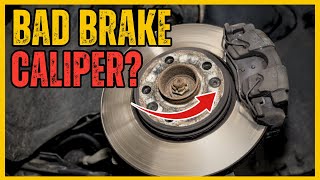
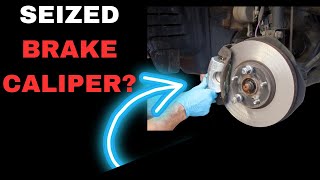
A brake caliper can fail in a few ways, most commonly by seizing or leaking. A seized or sticking caliper piston or slide pins can cause the brake to drag constantly or not apply at all. A leaking caliper loses hydraulic fluid, which can lead to a complete loss of braking power. Watch for these common symptoms:
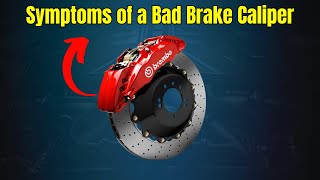
🎬 Watch: A visual guide to the top 10 caliper failure symptoms.- Vehicle Pulls to One Side: When a caliper is stuck, it can cause uneven braking force, making your Camry pull to the left or right when you apply the brakes or even while driving.
- Uneven Brake Pad Wear: If you inspect your brake pads and find one is significantly more worn than the other on the same axle, it's a strong sign of a stuck caliper slide pin or piston.
- Spongy or Soft Brake Pedal: A leak in the caliper can allow air into the hydraulic system, resulting in a brake pedal that feels soft, spongy, or goes closer to the floor than usual.
- Brake Fluid Leaks: Puddles of clear or yellowish fluid near your wheels are a tell-tale sign of a leaking caliper seal or bleeder screw.
- Dragging Sensation or Burning Smell: A caliper that doesn't release properly will cause the brake pad to drag on the rotor, creating constant friction. This can feel like the car is being held back and may produce a noticeable burning smell from the overheated brake components.
- Abnormal Noises: Grinding, squeaking, or clunking sounds from a wheel area can indicate a problem with a caliper, its hardware, or severely worn brake pads caused by a caliper issue.
Known Issue: Sticking Rear Caliper Pins
Owners of 2000-2007 Camrys, particularly in regions that use road salt in the winter (the "salt belt"), have reported issues with rear caliper slide pins corroding and seizing. This prevents the caliper from moving freely, causing the rear brake pads to wear out much faster than the fronts. When replacing calipers, it is critical to ensure the slide pins are new or thoroughly cleaned and properly lubricated with a high-temperature silicone-based grease.
Choosing the Right Aftermarket Caliper

For a 2000-2007 Toyota Camry, buying a new aftermarket caliper is often the most practical and cost-effective choice. Original Toyota calipers can be expensive and may only be available as remanufactured units. Aftermarket brands offer new parts, sometimes with improvements like rust-resistant coatings. Here’s a breakdown of common brand tiers:
- Economy Brands (e.g., Cardone - Remanufactured): These are typically the most affordable option. However, owner feedback suggests that quality can be inconsistent, sometimes referred to as "hit or miss". While they can be a good value, there is a higher chance of receiving a faulty part.
- Standard Replacement Brands (e.g., Centric, Raybestos, ACDelco): These brands are widely considered the sweet spot for a daily driver like the Camry. They offer a reliable balance of quality, fit, and price, performing similarly to the original factory part.
- Premium & Performance Brands (e.g., Powerstop, Dynamic Friction): These calipers often come with features like powder coating for enhanced rust protection and appearance. While not necessary for normal driving, they are a great choice for owners who want longer-lasting corrosion resistance or a visual upgrade behind open-spoke wheels.
Pro Tip: Get Coated Calipers
If you live in an area with snow, ice, or high humidity, consider spending a little extra on calipers with a protective coating (often zinc-plated or powder-coated). This coating significantly helps in preventing rust and corrosion, which is a primary cause of seized caliper pins and pistons.
Replacement Cost for a 2000-2007 Toyota Camry

The cost to replace a brake caliper can vary based on the parts you choose and whether you do the work yourself. Below are typical cost ranges.
| Part/Service | Estimated Cost (Per Caliper) |
|---|---|
| New Aftermarket Caliper | $45 - $158 |
| Remanufactured Aftermarket Caliper | $50 - $120 |
| New OEM Caliper | $220 - $350 |
| Shop Labor | $125 - $250 |
Frequently Asked Questions (FAQ)
Should I replace brake calipers in pairs?
Yes, it is highly recommended to replace calipers in pairs (both front or both rear). This ensures even braking performance and pressure from side to side, which is crucial for safety. Replacing only one can lead to unbalanced braking and pulling.
What's the difference between a new and a remanufactured caliper?
A new caliper is made entirely from new components. A remanufactured caliper starts with an original (OEM) core that is disassembled, cleaned, inspected, and rebuilt with new seals, boots, and bleeder screws. While remanufactured parts from good brands are reliable, new aftermarket calipers eliminate the possibility of issues with the old casting and don't require a core charge.
Do I need to bleed the brakes after replacing a caliper?
Absolutely. Whenever the hydraulic system is opened (like when you disconnect the brake hose from the caliper), air gets inside. You must bleed the brake system to remove all air, otherwise you will have a spongy pedal and severely reduced braking power.
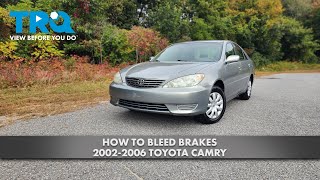
🎬 Watch: How to properly bleed the brakes on your Camry.Can I reuse my old brake pads and rotors?
It depends. If a seized caliper caused the brake pads to wear unevenly or the rotor to overheat and warp, you must replace them. If the pads and rotors are relatively new and in good condition, they can sometimes be reused, but it is generally best practice to install new pads with a new caliper.
Helpful Videos

Technical Specifications
OEM Part Numbers: 47730-06070 47730-33190 47750-33210
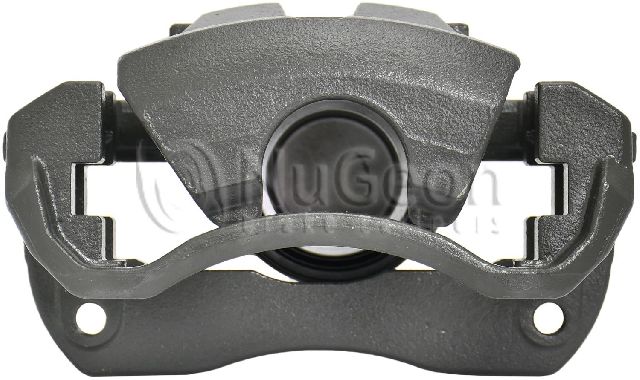
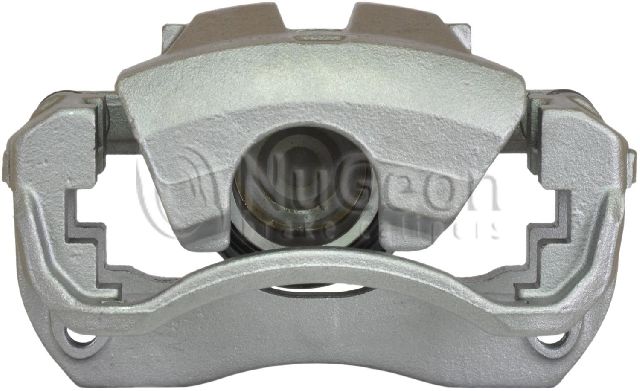
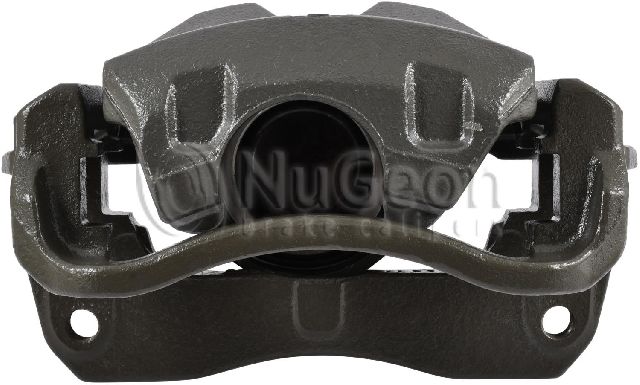
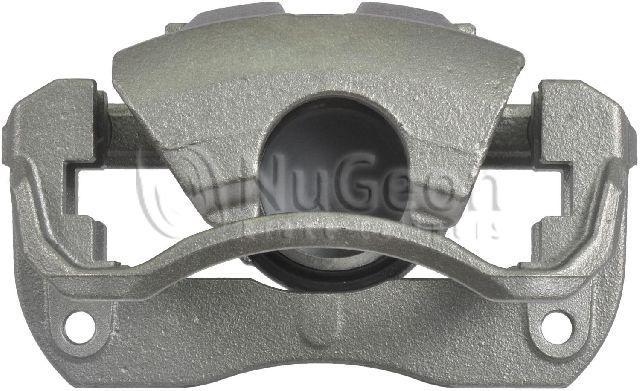
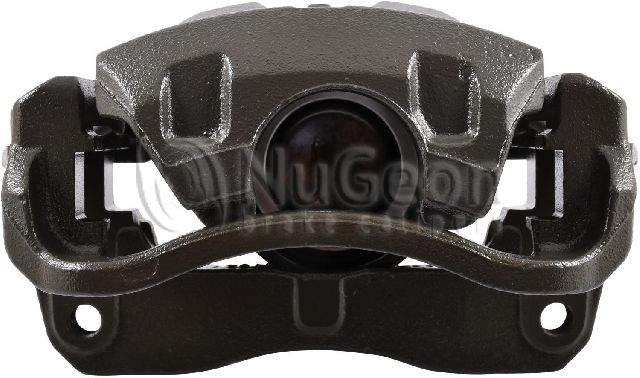
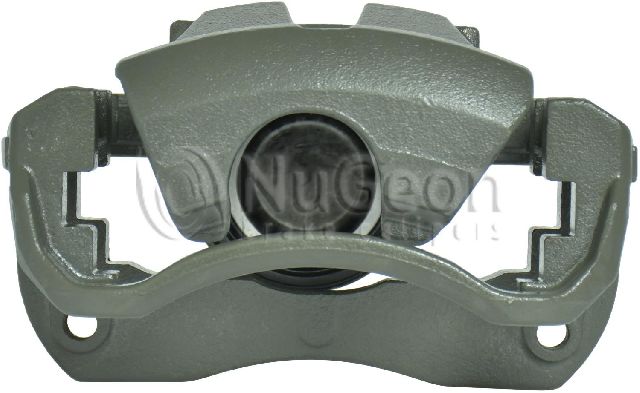
The 2000-2007 Toyota Camry uses a single-piston floating caliper design with a cast iron body. Aftermarket replacements are available as new or remanufactured units, with or without mounting brackets, and with optional protective coatings.
We Have This Part in Stock

The information in this article is provided for general reference and educational purposes only. Vehicle specifications, procedures, and part compatibility can vary by production date, trim level, and region. Always consult your vehicle's factory service manual and verify part numbers before purchasing or performing repairs. Safety-critical components such as airbags, seat belts, and braking systems should be installed by a qualified professional.
- Toyota Camry: