

A Guide to Aftermarket Spark Plugs for the 2000-2007 Volkswagen Golf
Keep your Mk4 Golf's engine running strong by choosing the right spark plugs for your needs and budget.
- Stick with OEM-equivalent brands like Bosch or NGK for the best reliability and performance.
- For turbocharged 1.8T engines, using premium iridium or platinum plugs is strongly recommended for longevity and performance.
- Always check and adjust the spark plug gap before installation, even if the plugs are advertised as pre-gapped.
- If you find oil on your old spark plugs, your valve cover gasket is likely leaking and should be replaced.
Symptoms of Failing Spark Plugs
When your Golf's spark plugs start to wear out, they can cause a range of noticeable engine problems. You might not notice it at first, but the issues can get worse over time. Here are the most common signs that it's time for a replacement:
- Rough Idle: The engine may shake or vibrate more than usual when you're stopped. This is often caused by inconsistent firing from a worn plug.
- Engine Misfires: You may feel a hesitation or stumble during acceleration. In more severe cases, the check engine light might flash, signaling a misfire that could damage other components.
- Reduced Fuel Economy: If your plugs aren't firing efficiently, your engine wastes fuel, and you'll find yourself at the gas station more often.
- Poor Acceleration: A sluggish or weak response when you press the gas pedal can be a clear sign of failing spark plugs.
- Difficulty Starting: Worn plugs can make it harder for the engine to turn over, especially in cold weather.
Check Engine Light Codes
A failing spark plug will often trigger the Check Engine Light. Common codes include P0300 (Random/Multiple Cylinder Misfire) or codes for specific cylinders, such as P0301, P0302, P0303, or P0304. These codes indicate that the cylinder isn't firing correctly, and a bad spark plug is a very common cause.
🎬 Watch this guide to fixing P0300 multiple cylinder misfire codesChoosing the Right Aftermarket Spark Plugs
For the 2000-2007 Volkswagen Golf, the original equipment (OEM) spark plugs were typically made by Bosch or NGK. These brands are widely considered the best choice for reliability and performance, even in the aftermarket. While other brands are available, sticking with OEM-equivalent plugs from Bosch or NGK is a safe bet for most owners.
🎬 See how to change spark plugs on a 2.0L engineBrand & Material Tiers
Aftermarket spark plugs come in different materials, which affects their performance and lifespan.
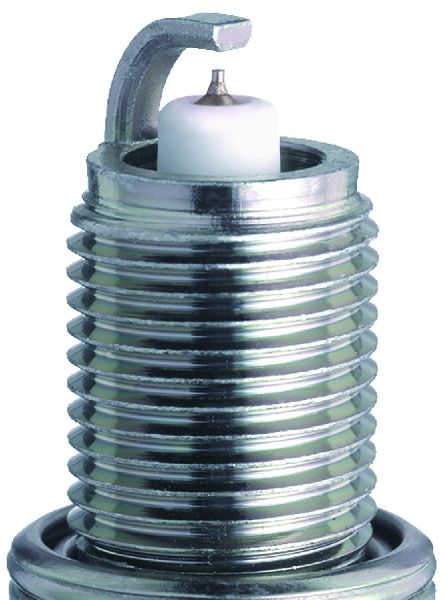
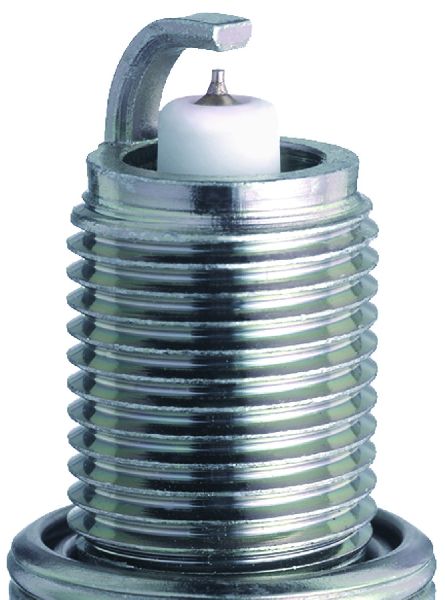
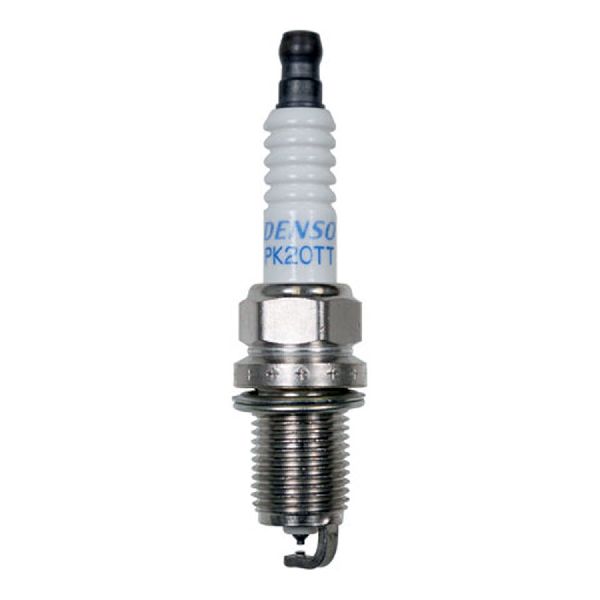
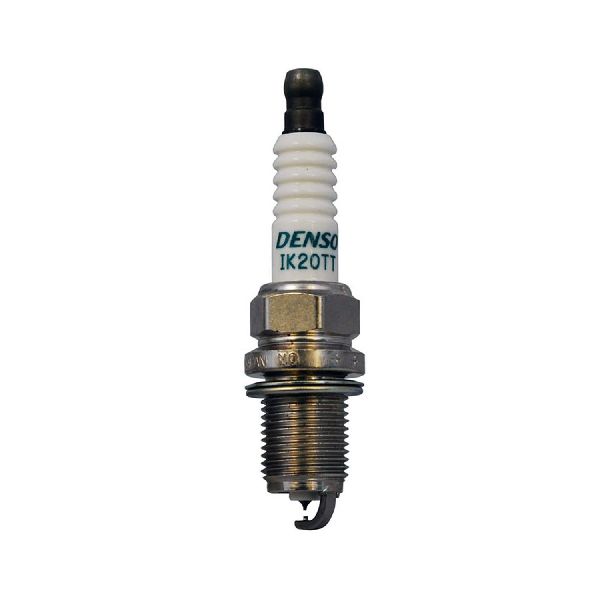
- Premium (Iridium & Double Platinum): Brands like NGK and Bosch offer iridium and platinum plugs that provide the longest life and most consistent performance. They are an excellent choice for all Golf engines, especially the turbocharged 1.8T, which benefits from a strong, stable spark. Denso is another high-quality option in this category. These plugs can often last up to 60,000 miles or more.
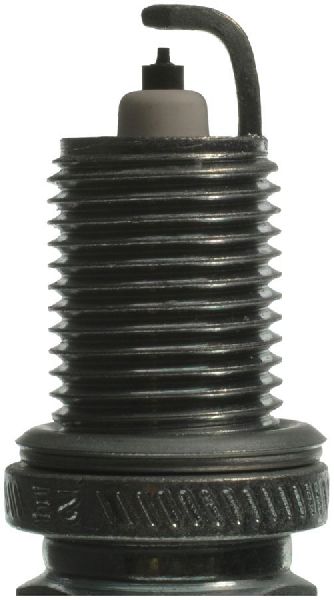
- Standard (Nickel/Copper): Brands like Champion and Autolite offer basic nickel-copper plugs. While they are more affordable, they have a much shorter service life and will need to be replaced more frequently, sometimes as often as every 30,000 miles. For VW engines, it's generally recommended to use at least a platinum plug.
- Performance (MSD): These are specialized plugs designed for modified or racing engines and are not necessary for a stock or lightly modified daily-driven Golf.
A Note on 1.8T Engines
The turbocharged 1.8T engine is more sensitive to spark plug type and condition. Using high-quality Iridium or Platinum plugs from NGK or Bosch is highly recommended. Also, a common issue is the valve cover gasket leaking oil into the spark plug wells, which can ruin both the plugs and the ignition coils. If you find oil when changing your plugs, you should replace the valve cover gasket as well.
| Tier | Brands | Price Range | Best For |
|---|---|---|---|
| Premium | Bosch, NGK, Denso | $10 - $22 | Longest life, best performance, 1.8T engines |
| Standard | Champion, Autolite | $3 - $9 | Budget-conscious, non-turbo engines |
| Economy | Skyward | $3 - $7 | Lowest cost, basic replacement |
Frequently Asked Questions
How often should I replace the spark plugs on my Golf?
For the 2000-2007 Golf, the recommended interval varies by plug type. Platinum or iridium plugs should be changed every 40,000 to 60,000 miles. If you use standard copper/nickel plugs, you should replace them every 30,000 miles. Always check your owner's manual for the specific recommendation for your engine.
Do I need to gap my new spark plugs?
Yes. While many plugs come "pre-gapped," shipping and handling can change the gap. It is a critical step to check the gap with a feeler gauge and adjust it to your Golf's specifications before installation. An incorrect gap can cause misfires and poor performance.
Should I replace my ignition coils at the same time?
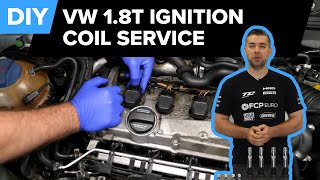
It's a good idea, but not always necessary. Ignition coils and spark plugs wear out together. On the Mk4 Golf, especially the 1.8T, coil packs can fail and cause misfires. Replacing them with the plugs is preventative maintenance and can save you from having to do the job twice. 🎬 Watch: 1.8T ignition coil and spark plug replacement walkthrough If one coil fails, it's wise to replace the whole set.
Is it better to use OEM or aftermarket spark plugs?
For this vehicle, high-quality aftermarket plugs from OEM suppliers like Bosch and NGK offer the same, if not better, performance and quality as dealer parts, often at a lower price. Cheaper, lower-tier aftermarket plugs may not last as long or perform as well as the OEM-equivalent options.
Helpful Videos
Technical Specifications
OEM Part Numbers: 101000063AA 101905600C
The 2000-2007 Golf was equipped with several gasoline engines (2.0L, 1.8T, VR6), each requiring a specific spark plug heat range and gap. Always verify the correct part number for your specific engine before purchase. A torque wrench is required for proper installation to avoid damaging the engine's cylinder head.
We Have This Part in Stock


The information in this article is provided for general reference and educational purposes only. Vehicle specifications, procedures, and part compatibility can vary by production date, trim level, and region. Always consult your vehicle's factory service manual and verify part numbers before purchasing or performing repairs. Safety-critical components such as airbags, seat belts, and braking systems should be installed by a qualified professional.
- Volkswagen Golf: