

A Guide to Radiator Coolant Hoses for the 2000-2007 Volvo VNL
Keep your engine cool and prevent costly downtime by understanding when and how to replace your radiator hoses.
- Regularly inspect hoses for cracks, bulges, and soft spots to prevent roadside breakdowns.
- Pay close attention to the upper radiator hose to ensure it is not rubbing against any engine brackets, a known issue that can cause leaks.
- When replacing one radiator hose, it is best practice to replace both the upper and lower hoses and the clamps at the same time.
- Aftermarket brands like Dayco and Gates are cost-effective alternatives to OEM, but always verify the fit before installation.
Signs of a Failing Radiator Hose
On a commercial truck like the Volvo VNL, catching a bad radiator hose early is key to avoiding a breakdown. Hoses are made of rubber and wear out over time from heat, pressure, and vibration. Regular inspections are the best way to find a problem before it leaves you stranded.
- Visible Cracks or Splits: Look for cracks, especially near the ends where the clamps are. Deep cracks are a sign the hose is brittle and could fail soon.
- Bulging or Swelling: A bulge in the hose means the internal structure has weakened. This is a serious sign of a future rupture.
- Spongy or Soft Spots: Squeeze the hoses when the engine is cool. If they feel mushy, soft, or sticky, the rubber is breaking down from oil contamination or age.
- Coolant Leaks: Puddles of green, yellow, or pink fluid under your truck are an obvious sign of a leak. Check the hose connections and look for drips. Sometimes a leak is just a loose clamp, but it can also be a pinhole in the hose itself.
- Engine Overheating: If your temperature gauge starts climbing, a collapsed or leaking hose could be the cause. A collapsed hose can block coolant flow, leading to rapid overheating.
Known Issue: Hose Rubbing
On some Volvo VNL models, the upper radiator hose can rub against an engine bracket. Over thousands of miles, this rubbing can wear a hole in the hose, causing a sudden and major coolant leak. During your pre-trip inspections, always check the clearance around the upper hose to ensure it is not making contact with any other components.
Choosing the Right Aftermarket Hose: OEM vs. Aftermarket
When it's time for a replacement, you have a choice between original equipment (OEM) and aftermarket hoses. OEM hoses are the same ones Volvo installed at the factory, guaranteeing a perfect fit. Aftermarket hoses from brands like Dayco and Gates are designed to meet or exceed OEM specifications and are often more affordable.
- OEM: The primary benefit is a guaranteed perfect fit. However, they are typically the most expensive option.
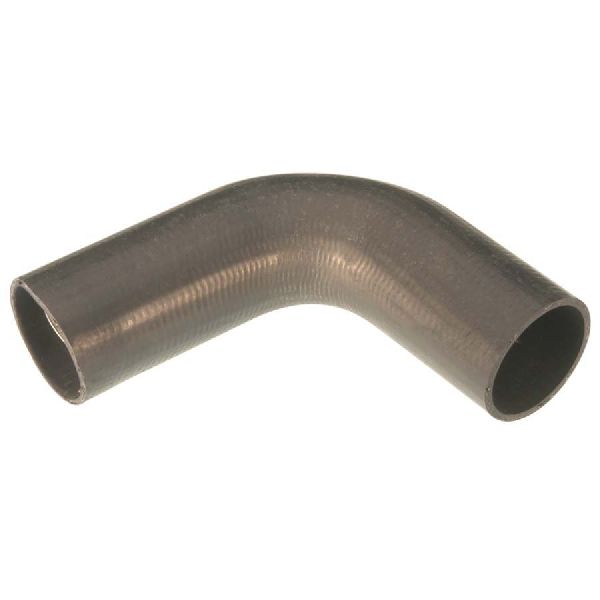
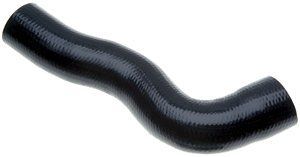
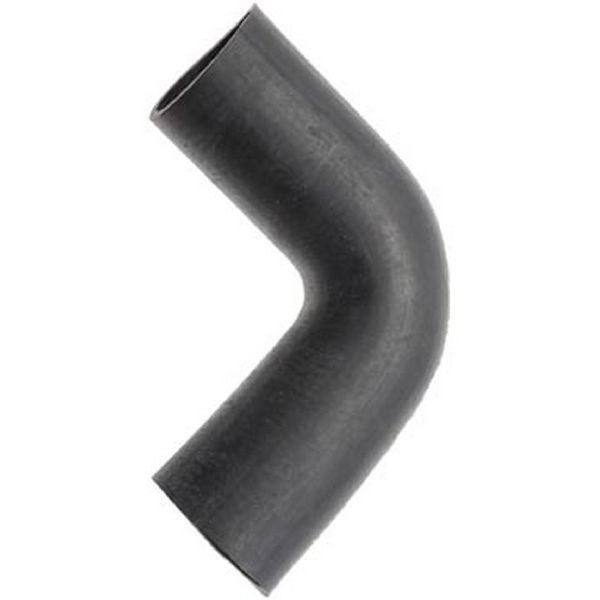
- Aftermarket (Dayco, Gates): Both Dayco and Gates are reputable brands that produce quality EPDM rubber hoses for heavy-duty applications. Some mechanics find that one brand may fit slightly better than another for a specific application, but both are considered reliable choices. The most important factor with any aftermarket hose is to compare it to the old one before installation to ensure all the bends and angles match up correctly.
Pro Tip: When you replace a radiator hose, it's always a good idea to replace the hose clamps at the same time. Spring clamps can lose their tension over time, and worm-gear clamps can wear out. New clamps ensure a tight, leak-free seal.
Cost of Radiator Hoses for 2000-2007 Volvo VNL
| Part Type | Price Range |
|---|---|
| New Aftermarket (Dayco, Gates) | $39.13 - $106.67 |
| New OEM | $60.00 - $150.00+ |
*Prices are estimates and can vary based on the specific hose (upper/lower) and supplier.
Frequently Asked Questions (FAQ)
Should I replace both radiator hoses at the same time?
Yes, it's highly recommended. Both hoses have been exposed to the same heat and pressure for the same amount of time. If one has failed, the other is likely not far behind. Replacing them together saves you from having to do the job twice.
My hose is leaking. Can I just tighten the clamp?
You can try tightening the clamp first, as a loose clamp is a common cause of minor leaks. Snug it down, but don't overtighten, as this can damage the hose or the radiator connection point. If the leak continues, the hose itself needs to be replaced.
Are there any recalls for radiator hoses on my 2000-2007 VNL?
No specific radiator hose recalls were found for the 2000-2007 Volvo VNL model years. While there have been service bulletins for hose issues on much newer models, they do not apply to this generation.
How often should I replace my radiator hoses?
There is no exact replacement interval. Instead of replacing based on mileage, you should inspect them regularly as part of your routine maintenance. Look for the signs of failure like cracking, bulging, or softness. Many owner-operators choose to replace them proactively every few years as preventative maintenance to avoid a costly roadside breakdown.
Technical Specifications
OEM Part Numbers: 20463583 20506624 20766333 82314938
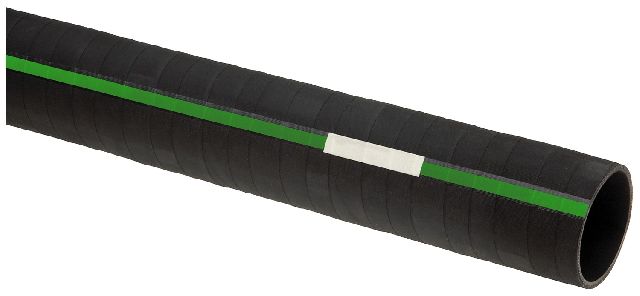
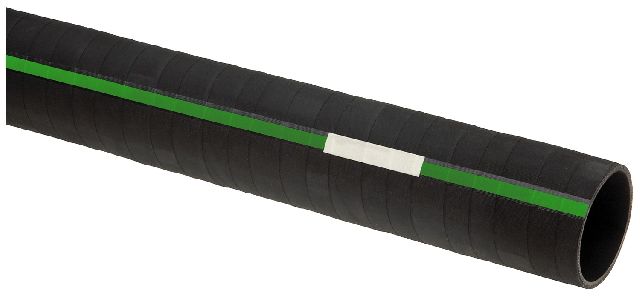
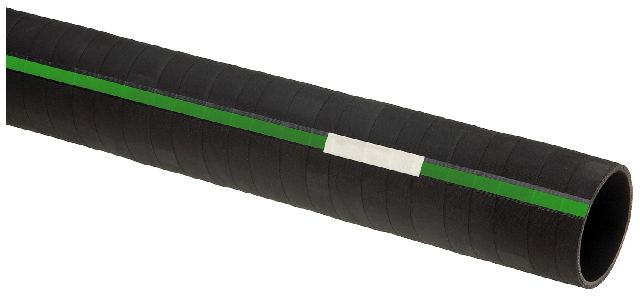
Hoses are typically made from EPDM (Ethylene Propylene Diene Monomer) rubber to withstand high temperatures and coolant chemicals. They are pre-molded to fit the specific engine configuration of the Volvo VNL.
We Have This Part in Stock

The information in this article is provided for general reference and educational purposes only. Vehicle specifications, procedures, and part compatibility can vary by production date, trim level, and region. Always consult your vehicle's factory service manual and verify part numbers before purchasing or performing repairs. Safety-critical components such as airbags, seat belts, and braking systems should be installed by a qualified professional.
- Volvo VNL: