

Audi A6 Quattro Serpentine Belt: A Guide for the 2000-2008 Models
Everything you need to know before replacing the serpentine belt on your C5 or C6 Audi A6 Quattro.
- Confirm your exact engine (2.7T, 3.2L, 4.2L, etc.) before ordering; belt length is critical.
- Due to the risk of engine damage if the belt fails, do not delay replacement.
- Budget for high labor costs, as many A6 engines require putting the car in "service position" for access.
- Always replace the belt tensioner and consider idler pulleys at the same time for long-term reliability.
Signs of a Failing Serpentine Belt on Your A6 Quattro
A worn serpentine belt often gives warning signs before it fails completely. Ignoring these can leave you stranded. Be alert for:
- Squealing or Chirping Noises: This is the most common symptom, often worse on cold starts or in damp weather. The noise comes from the belt slipping on the pulleys.
- Visible Wear: Inspect the belt for cracks, fraying, missing ribs, or a glazed, shiny appearance. Any visible damage means it's time for a replacement.
- Accessory Malfunctions: If your power steering becomes heavy, your A/C stops blowing cold, or the battery warning light illuminates on your dash, the belt may have snapped.
- Shredding Belts: If you find that belts are repeatedly splitting or getting shredded, it's a sign of a more serious issue, like a misaligned or seized pulley on the tensioner, alternator, or A/C compressor.
A Critical Warning for Audi Owners
On many Audi engines, a failed serpentine belt can be catastrophic. If the belt breaks, pieces can get tangled behind the crankshaft pulley and wrap around the timing belt. This can cause the timing belt to jump or break, leading to severe and expensive engine damage. For this reason, you should never ignore a worn serpentine belt.
Choosing the Right Aftermarket Serpentine Belt
The 2000-2008 period covers two generations of the A6: the C5 (2000-2004) and the C6 (2005-2008). These generations used various engines (e.g., 2.7T V6, 3.0L V6, 3.2L V6, 4.2L V8). The single most important step is to buy a belt that matches your exact engine. Belt lengths vary significantly. Always verify the fitment using your vehicle's VIN or engine code.
Brand Quality Tiers
Not all aftermarket belts are created equal. For a crucial part like this on a German vehicle, brand reputation matters.
- Tier 1: OEM-Equivalent (Continental, INA): Continental is a primary OEM supplier to Audi, meaning the aftermarket belt they sell is often the exact same part that came on your car from the factory, just without the Audi logo. INA is another highly respected OEM for Audi, known for producing high-quality tensioners and bearings that are often included in comprehensive kits. Choosing these brands ensures a perfect fit and long service life.
- Tier 2: Reputable Aftermarket (Gates, Dayco): Gates and Dayco are well-known, trusted names in the aftermarket industry. They produce high-quality belts that meet or exceed OEM specifications and are a reliable choice for any repair. Many professional mechanics trust and use these brands daily.
- Tier 3: Economy (Skyward): Skyward represents the budget-friendly end of the market. While there is limited specific information on their belt quality for Audis, they are generally considered an economy option. This may be suitable for a temporary fix or if budget is the absolute primary concern, but for long-term reliability on a high-stress engine, sticking with a Tier 1 or Tier 2 brand is strongly recommended.
Pro Tip: Replace the Tensioner and Idlers
The serpentine belt's tensioner and any idler pulleys are wear items. The tensioner is a spring-loaded pulley that keeps the belt tight. If its spring weakens or the pulley bearing fails, it can cause noise and lead to premature belt failure. It is highly recommended to replace the tensioner and idler pulleys at the same time as the belt, especially if the vehicle has over 60,000 miles. Many brands sell complete kits that include the belt, tensioner, and necessary hardware.
Replacement Cost and Labor
The cost to replace the serpentine belt on a 2000-2008 A6 Quattro varies dramatically based on the engine and the labor involved.
| Item | Estimated Cost |
|---|---|
| New Aftermarket Belt | $14 - $66 |
| New OEM Belt | $40 - $90 |
| Shop Labor | $150 - $500+ |
| Total Professional Replacement | $170 - $600+ |
Costs are estimates and can vary by location and service center. The wide range in labor is due to job complexity.
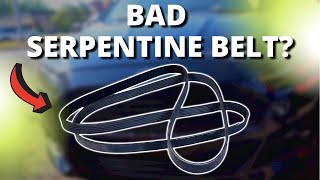
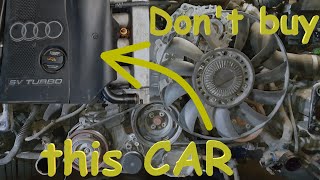
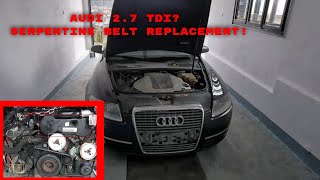
On some A6 engines, particularly the V8 and 2.7T models, there is very little space to work. To properly access the belt and tensioner, a mechanic must put the front of the car into the "service position." This involves removing the front bumper and sliding the entire front radiator support forward. 🎬 See this walkthrough of the belt replacement and service position This procedure adds significant time and cost to the job, which is why labor estimates can be high.
Frequently Asked Questions (FAQ)
Can I replace the A6 Quattro serpentine belt myself?
For most DIY mechanics, this is a very difficult job. While some guides for C6 models suggest it can be done in about 30 minutes without special procedures, this often applies to the most accessible engines. For many engines in this range, the job requires putting the car in the service position, which is a complex task. Unless you are a very experienced DIYer comfortable with removing body panels and support structures, this job is best left to a professional.
🎬 Watch a professional mechanic replace the belt on an A6How often should the serpentine belt be replaced?
A general guideline is to inspect the belt at every oil change and plan for replacement between 60,000 and 100,000 miles. However, due to the risk of the belt interfering with the timing belt upon failure, a more conservative interval of 75,000 miles is wise for these vehicles.
What is the "service position"?
The "service position" is a procedure specific to many Audi models where the front bumper is removed and the entire lock carrier (the structure holding the radiator, condenser, and headlights) is carefully pulled forward on special guide bolts. This creates several inches of extra space between the radiator and the engine, allowing access to components like the serpentine and timing belts.
What is the most common mistake when ordering?
The most common mistake is ordering a belt based only on the year and model. The 2000-2008 A6 Quattro had multiple engine options (2.7T, 2.8L, 3.0L, 3.2L, 4.2L), and each requires a different length belt. Always confirm the part fits your specific engine before purchasing.
Helpful Videos
Technical Specifications
OEM Part Numbers: 06E903137J 078903137BL
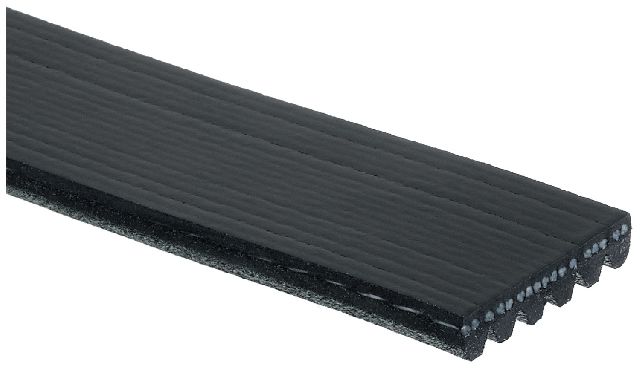
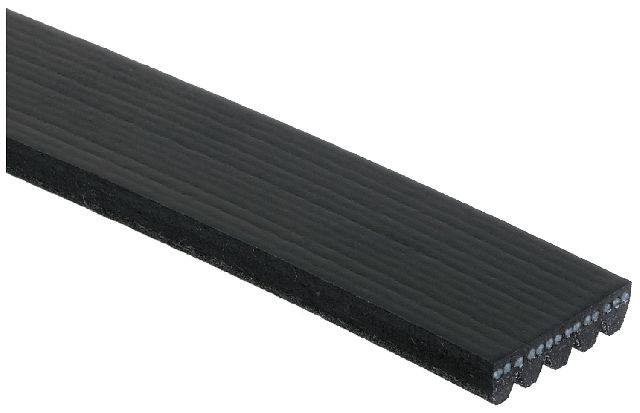
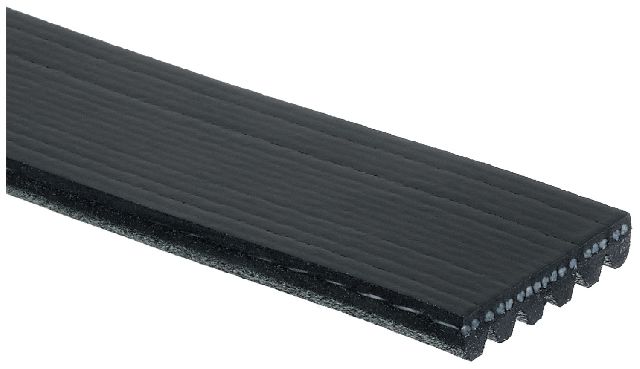
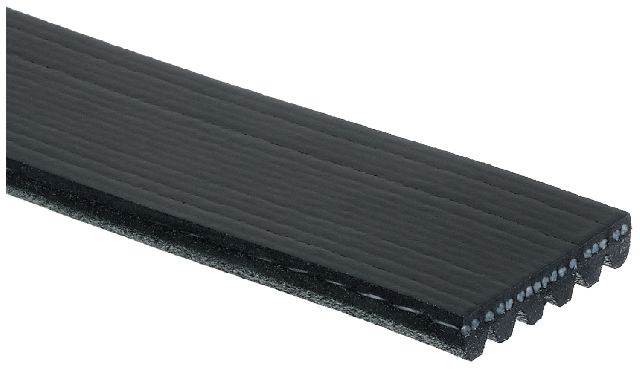
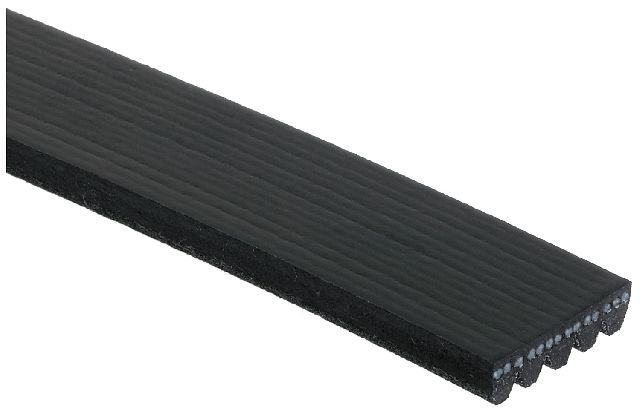
Varies significantly by engine. Lengths can range from ~1733mm to over 2400mm with 6 or 7 ribs. Always verify fitment with your specific engine code and model year.
We Have This Part in Stock
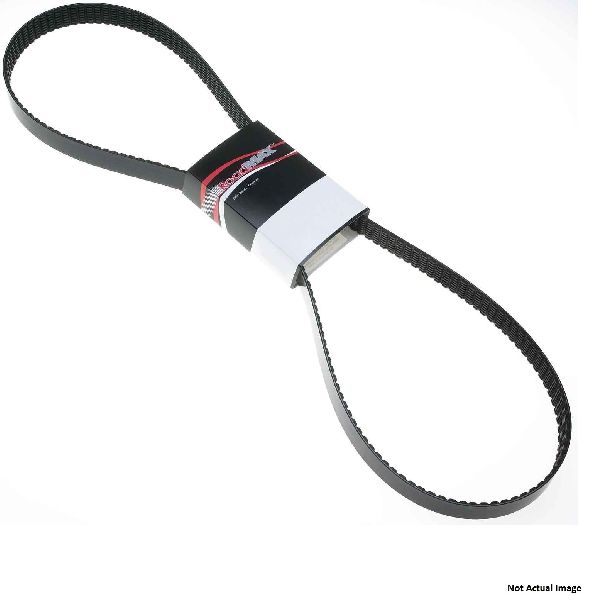

The information in this article is provided for general reference and educational purposes only. Vehicle specifications, procedures, and part compatibility can vary by production date, trim level, and region. Always consult your vehicle's factory service manual and verify part numbers before purchasing or performing repairs. Safety-critical components such as airbags, seat belts, and braking systems should be installed by a qualified professional.
- Audi A6 Quattro:
- 🎬 Helpful Videos
- 🛍️ Shop This Part
- Signs of a Failing Serpentine Belt on Your A6 Quattro
- A Critical Warning for Audi Owners
- Choosing the Right Aftermarket Serpentine Belt
- Brand Quality Tiers
- Pro Tip: Replace the Tensioner and Idlers
- Replacement Cost and Labor
- Frequently Asked Questions (FAQ)
- 🎟️ Get 5% Off