

A Guide to Direct Ignition Coils for the 2000-2008 Audi TT Quattro
Solve common misfires and restore lost engine power by choosing the right ignition coils for your TT.
- Ignition coil failure is a very common and well-documented issue for this generation of Audi TT.
- Always replace ignition coils as a full set, not individually, to ensure reliability and save on future labor.
- The replacement is a very simple DIY job that takes less than an hour with basic tools.
- Stick with proven OEM-supplier brands like Hella, Denso, or Bosch for stock reliability.
Is Your Audi TT Running Rough? It Could Be the Ignition Coils
Ignition coil failure is a very common issue on the first-generation (Mk1) Audi TT, particularly those with the 1.8T engine. These parts work in a high-heat, high-vibration environment and simply wear out over time. When a coil starts to fail, it can't deliver the strong, consistent spark your engine needs to run properly. This leads to a variety of noticeable symptoms.
Symptoms of a Failing Ignition Coil
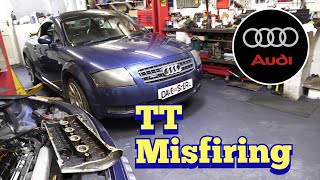
- Engine Misfires: The most obvious sign. Your engine will sputter, hesitate, or feel like it's stumbling, especially when you try to accelerate. 🎬 Watch this video to see what a real Audi TT misfire sounds like.
- Rough Idle: The car may shake or vibrate more than usual when you're stopped at a light.
- Check Engine Light: A failing coil will trigger the check engine light. If the light is flashing, it signals a severe misfire that can quickly damage your expensive catalytic converter. You should reduce engine load and get it checked immediately.
- Loss of Power: Your TT will feel sluggish and slow to respond when you press the gas pedal.
- Reduced Fuel Economy: When your engine isn't burning fuel efficiently due to weak spark, your gas mileage will suffer.
Known Issues, TSBs, and Recalls
While there were no major safety recalls specifically for ignition coils on the 2000-2008 TT, their high failure rate is well-documented. Audi released a Technical Service Bulletin (TSB #2033561/2) acknowledging misfire issues and instructing technicians to replace older ignition coils with an updated part number if problems were found. This confirms it's a known weak point. Some owners on forums mention earlier service campaigns, so it may be worth calling a dealership with your VIN to see if any actions are still open for your specific car.
Pro Tip: Replace Coils and Plugs Together
If one ignition coil fails, the others are likely not far behind. They have all been subjected to the same heat and wear for the same amount of time. To save yourself future headaches, it is strongly recommended to replace all four (or six, for 3.2L V6) ignition coils at the same time. Since you're already there, it's the perfect time to install a fresh set of spark plugs as well.
🎬 See this walkthrough for upgrading your coils and spark plugs.Choosing the Right Aftermarket Ignition Coils
You don't need to buy the expensive Audi-branded part from a dealer. Several of the companies that make the original parts sell them directly under their own brand name. Here’s how the available brands generally stack up for your TT:
- OEM-Equivalent Brands (Good Bet): Brands like Hella, Denso, and Bremi are known original equipment suppliers for German vehicles. Choosing one of these is a safe bet for reliable, stock-level performance. Bosch is another excellent OEM-quality choice.
- Value Brands (Use with Caution): Brands like Prenco or other lesser-known names offer a lower price point. While tempting, their long-term reliability can be inconsistent. For a critical part like an ignition coil, spending a little more for a proven brand is often worth it to avoid doing the job twice.
- Performance Brands (Upgrade Option): For owners with tuned engines or those seeking a potential durability upgrade, brands like Accel or the popular "R8 coil pack" conversion are common choices. These often feature different color housings (like red) and claim a slightly higher energy output for a more consistent spark under high boost.
| Part Type | Estimated Cost (Part Only) |
|---|---|
| New Aftermarket | $36 - $72 |
| New OEM (Dealer) | $80 - $120 |
| Shop Labor | $75 - $150 (for the set) |
Frequently Asked Questions (FAQ)
Is it hard to replace the ignition coils myself?
No, this is one of the easiest jobs you can do on your Audi TT. It requires basic tools and about 30 minutes. You simply remove the engine cover, unplug the electrical connector, pull the old coil out, and push the new one in.
Should I replace just the one bad coil?
It is highly recommended to replace all of them at once. Ignition coils wear at a similar rate, so if one has failed, the others are likely to fail soon. Replacing them as a set ensures reliability and consistent engine performance.
What are the diagnostic codes for a bad ignition coil?
Common codes include P0300 (Random/Multiple Cylinder Misfire), P0301 (Cylinder 1 Misfire), P0302 (Cylinder 2 Misfire), P0303 (Cylinder 3 Misfire), and P0304 (Cylinder 4 Misfire). The last digit tells you which cylinder is having the problem.
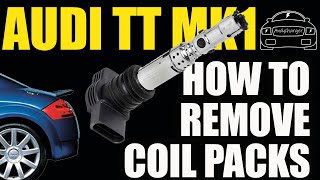
🎬 Watch: How to identify misfires and remove coil packs using OBD2.What's the difference between black and red ignition coils?
Black coils are typically standard OEM or OEM-style replacements. Red (or sometimes blue) coils are often sold as "performance" upgrades, claiming slightly higher energy output. The popular R8 coil pack upgrade for the 1.8T engine uses red coils and is considered a reliable choice, especially for tuned cars.
Helpful Videos


Technical Specifications
OEM Part Numbers: 06B905115E 06B905115B 06B905115
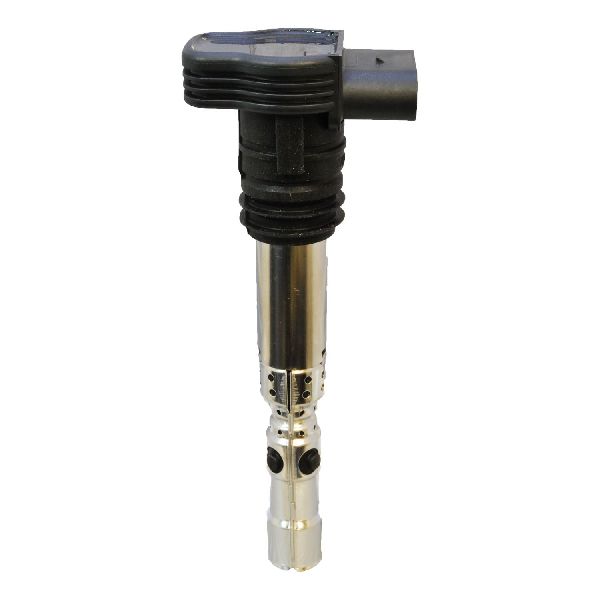
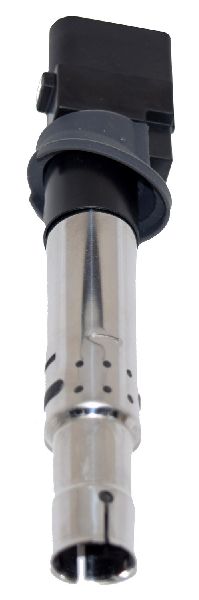
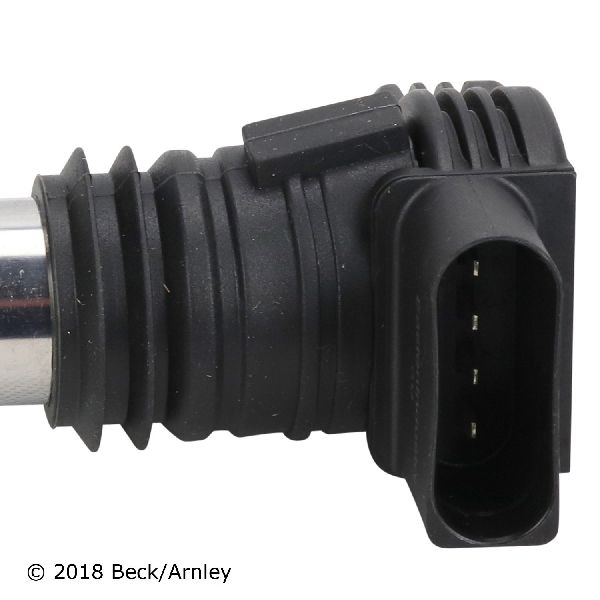
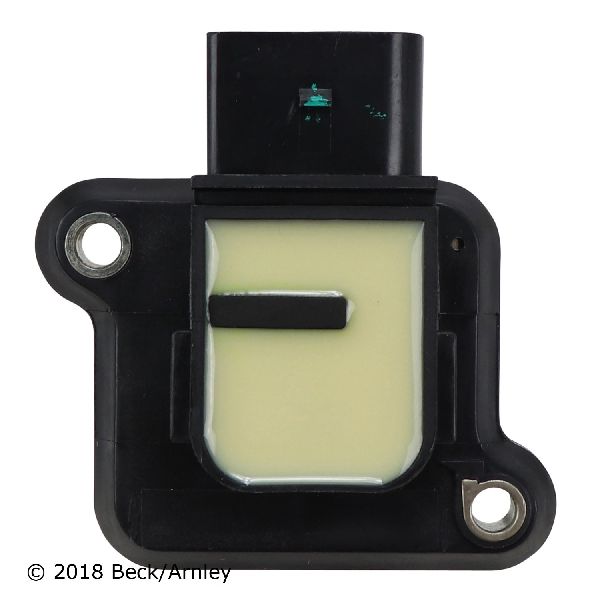
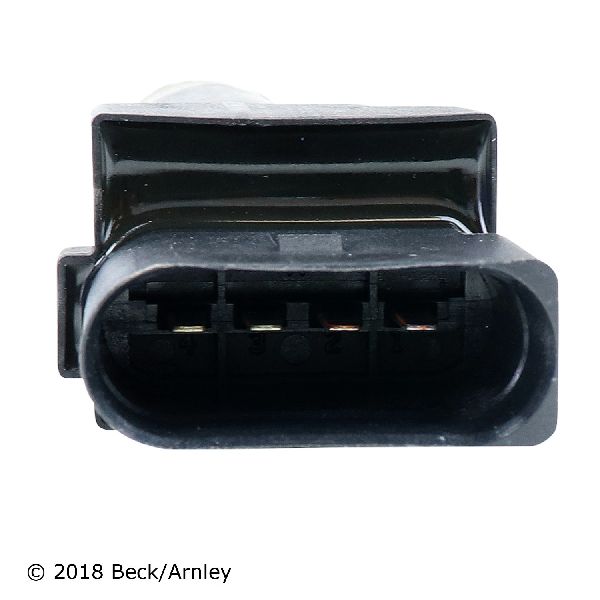
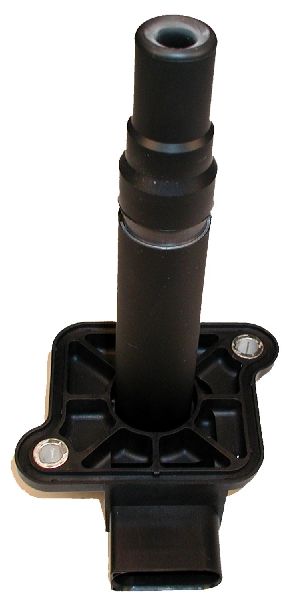
This vehicle uses a direct ignition system with one 'pencil' or 'coil-on-plug' style coil for each cylinder. Early models may use a bolt-down design, while later models use a push-in style. The electrical connector has 4 pins.
We Have This Part in Stock

The information in this article is provided for general reference and educational purposes only. Vehicle specifications, procedures, and part compatibility can vary by production date, trim level, and region. Always consult your vehicle's factory service manual and verify part numbers before purchasing or performing repairs. Safety-critical components such as airbags, seat belts, and braking systems should be installed by a qualified professional.
- Audi TT Quattro: