

Audi TT Quattro (2000-2008) Serpentine Belt Replacement Guide
Keep your Mk1 TT's engine accessories running smoothly by understanding when and why to replace your serpentine belt.
- Inspect your serpentine belt regularly for cracks and wear, especially after 40,000 miles.
- A squealing noise is the most common warning sign of a failing belt.
- On 3.2L VR6 models, a broken belt will cause the engine to overheat.
- Always inspect the belt tensioner and pulleys when replacing the belt, as they are common failure points.
Understanding Serpentine Belt Failure on Your TT

The serpentine belt on your 2000-2008 Audi TT Quattro is a durable part, but it doesn't last forever. Made of rubber, it's exposed to constant heat and friction, which eventually causes it to wear out. Most belts have a lifespan of 60,000 to 100,000 miles, but it's wise to inspect it regularly, especially after 40,000 miles. Look for cracks, fraying, missing ribs, or a shiny, glazed surface.
Don't Ignore a Failing Belt
If the serpentine belt breaks while you're driving, your car will immediately lose power to critical systems. The battery will stop charging, the power steering will fail (making the wheel very hard to turn), and the A/C will stop working. On the 3.2L VR6 engine, the water pump will also stop, leading to rapid engine overheating. It is crucial to pull over safely as soon as possible to prevent further damage.
Symptoms of a Worn Serpentine Belt

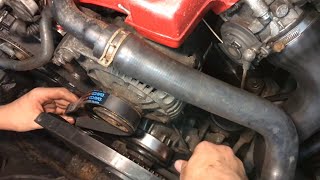
- Squealing or Chirping Noises: 🎬 Watch: Diagnosing a squealing belt and flapping tensioner This is the most common sign. The noise is often worse when you start the engine or during acceleration and can indicate the belt is slipping.
- Accessory Failure: If your A/C isn't blowing cold, your steering feels heavy, or you see a battery warning light on the dash, the belt may not be turning the accessory pulleys effectively.
- Visible Damage: A visual inspection is key. Look for cracks, frayed edges, or chunks of rubber missing from the belt's ribs.
- Overheating Engine (3.2L VR6): Since the belt drives the water pump on the 3.2L engine, a slipping or broken belt will cause the engine temperature to rise quickly.
Choosing the Right Aftermarket Serpentine Belt

When replacing the belt, you have several excellent aftermarket options. For a European car like your Audi TT, brand choice can make a difference in fit and longevity.
- Continental: Often the original equipment (OEM) supplier for Audi, Continental belts are a top-tier choice. They are known for their quality and precise fit, making them a reliable, factory-equivalent replacement.
- Gates: Gates is another premium brand with a strong reputation for producing high-quality belts and hoses. Many mechanics trust Gates for its durability and performance across all vehicle makes.
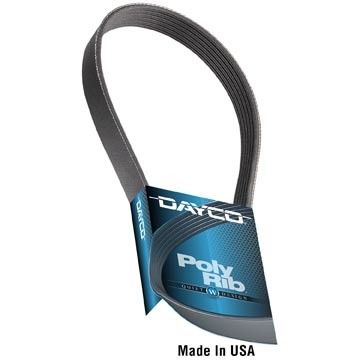
- Dayco: Generally considered a solid mid-tier option, Dayco belts offer good performance and value. While some users note they can be stiffer and slightly noisier than OEM, they are a reliable choice.
Pro Tip: Check the Tensioner and Pulleys
A common cause of belt failure isn't the belt itself, but a worn-out belt tensioner or idler pulley. A bad tensioner can cause a buzzing or grinding noise and won't keep the belt properly tightened, leading to slippage or the belt coming off completely. When you replace the belt, it's always a good idea to inspect the tensioner and pulleys for noise, roughness, or wobble and replace them if necessary.
🎬 See how a stretched belt causes tensioner rattle| Part/Service | Estimated Cost |
|---|---|
| New Aftermarket Serpentine Belt | $39 - $65 |
| Shop Labor | $75 - $175 |
| Total Estimated Cost | $114 - $240 |
Note: Costs are estimates and can vary based on your location and specific repair shop rates. Replacing the tensioner or pulleys will add to the total cost.
Frequently Asked Questions

Is the serpentine belt the same as the timing belt?
No, they are different. The serpentine belt runs accessories on the outside of the engine. The timing belt (on the 1.8T engine) or timing chain (on the 3.2L VR6) is inside the engine and synchronizes the crankshaft and camshafts. Timing belt failure can cause catastrophic engine damage, while serpentine belt failure will disable accessories.
My TT has a 1.8T engine. Is the water pump driven by the serpentine belt?
No. On the 1.8T engine, the water pump is driven by the timing belt. This is a critical distinction. On the 3.2L VR6 engine, the water pump is driven by the serpentine belt.
Can I replace the serpentine belt myself?
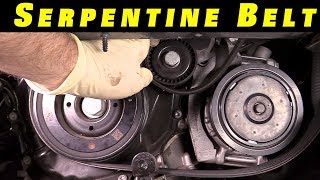
Yes, for a DIY mechanic with the right tools, this is a manageable job. The key is properly releasing the tension from the automatic belt tensioner to remove and install the new belt. You will need a specific wrench (often a 16mm combination spanner) to move the tensioner. Always make sure you have a diagram of the belt routing before you begin.
🎬 Watch this step-by-step guide on how to replace the beltHow often should I replace my serpentine belt?
There isn't a strict replacement interval from Audi, but most mechanics recommend replacement between 60,000 and 100,000 miles as a preventative measure. At a minimum, it should be inspected for wear at every oil change. Age is also a factor; a belt on a low-mileage car that is over 7-10 years old should be considered for replacement.
Helpful Videos

Technical Specifications
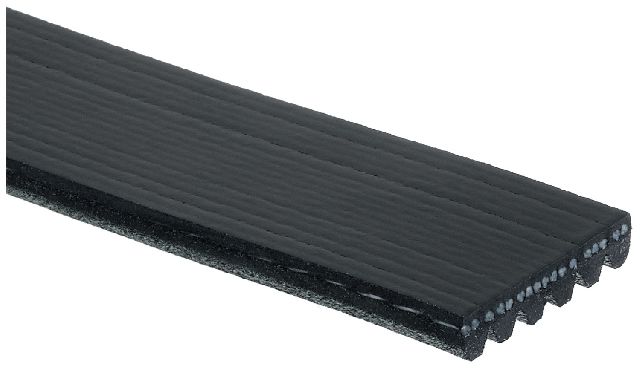
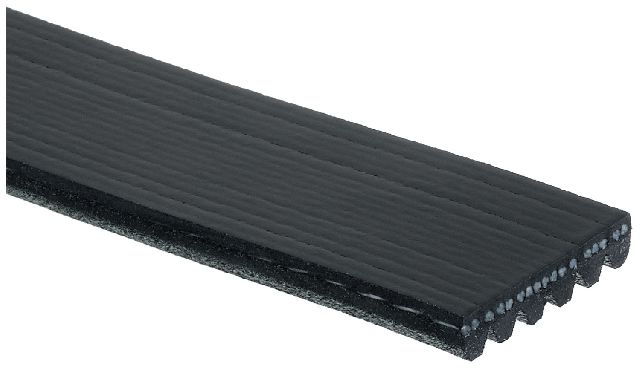
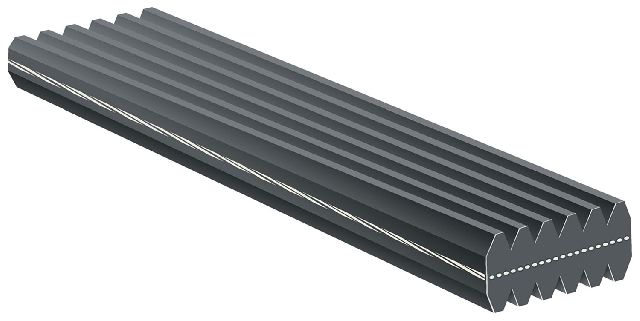
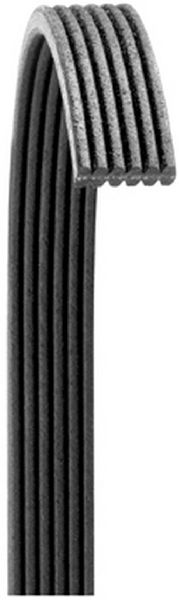
The serpentine belt for the Audi TT Quattro (2000-2008) is a poly-v, or multi-ribbed, belt. The exact length and number of ribs depend on the engine (1.8T or 3.2L VR6) and specific accessory configuration. It is driven by an automatic tensioner.
We Have This Part in Stock

The information in this article is provided for general reference and educational purposes only. Vehicle specifications, procedures, and part compatibility can vary by production date, trim level, and region. Always consult your vehicle's factory service manual and verify part numbers before purchasing or performing repairs. Safety-critical components such as airbags, seat belts, and braking systems should be installed by a qualified professional.
- Audi TT Quattro: