

Engine Coolant Thermostat Guide for 2000-2008 Chrysler Voyager
Keep your Voyager's engine running at the perfect temperature and avoid common failures by choosing the right replacement thermostat.
- A thermostat failing in the 'open' position is the most common issue, leading to a P0128 code and poor heating.
- A 'stuck-closed' thermostat is a critical failure that will cause rapid overheating and can lead to severe engine damage.
- For most Voyager engines, this is a DIY-friendly repair, but check the location on your specific engine first.
- Always use the correct 195°F thermostat and replace the gasket to ensure proper function and prevent leaks.
Is Your Chrysler Voyager Thermostat Failing?
A bad thermostat can cause serious engine problems, but the signs are usually clear. The most common failure is the thermostat getting stuck open or closed. A stuck-closed thermostat is serious and will cause rapid overheating. A stuck-open thermostat is more common and will prevent your engine from reaching the proper temperature.
Key Symptoms of a Bad Thermostat:
- Overheating: If the thermostat is stuck closed, the temperature gauge will quickly climb into the red. This is a critical issue that can cause severe engine damage.
- Engine Not Warming Up: If the thermostat is stuck open, your engine will take a very long time to warm up, or may never reach its normal operating temperature on the gauge. This often triggers a Check Engine Light with code P0128.
- Poor Heater Performance: An engine that doesn't get hot enough can't provide sufficient heat to the cabin, especially in winter.
- Temperature Fluctuations: A gauge that swings wildly between hot and cold can point to a thermostat that is opening and closing erratically.
- Coolant Leaks: A thermostat stuck closed can cause extreme pressure buildup, forcing coolant to leak from the housing or other weak points in the cooling system.
Known Issues for 2000-2008 Voyagers
While no specific recalls or widespread Technical Service Bulletins (TSBs) exist for thermostat failure on the 2000-2008 models, the diagnostic trouble code P0128 (Coolant Temperature Below Thermostat Regulating Temperature) is a very common indicator of a failed-open thermostat on these vans. On some engines, particularly the diesel variants, the thermostat is located in a difficult-to-reach position at the back of the engine block, making replacement a labor-intensive job.
Choosing the Right Aftermarket Thermostat
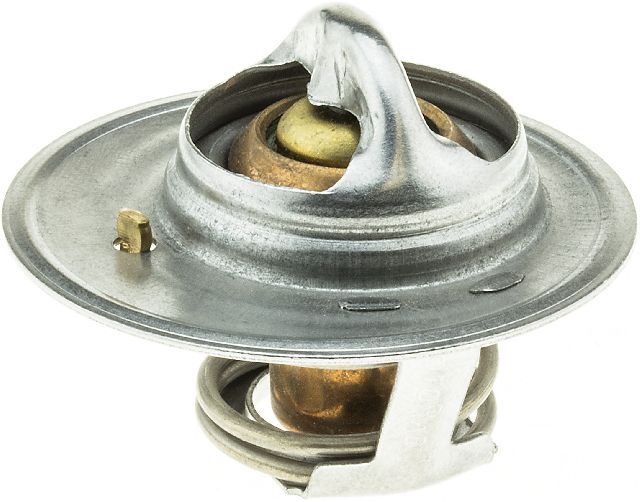
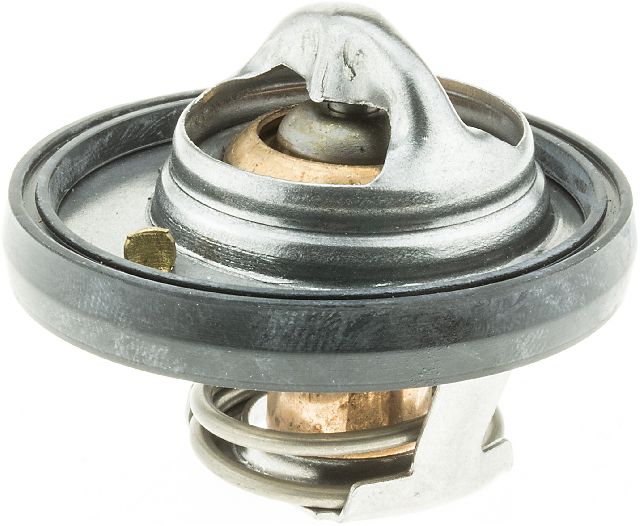
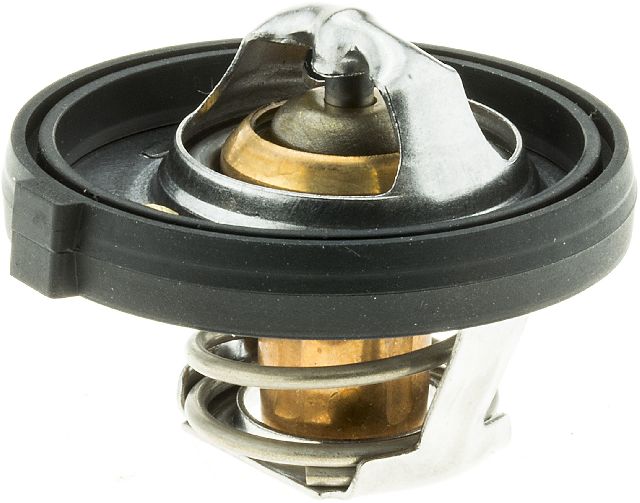
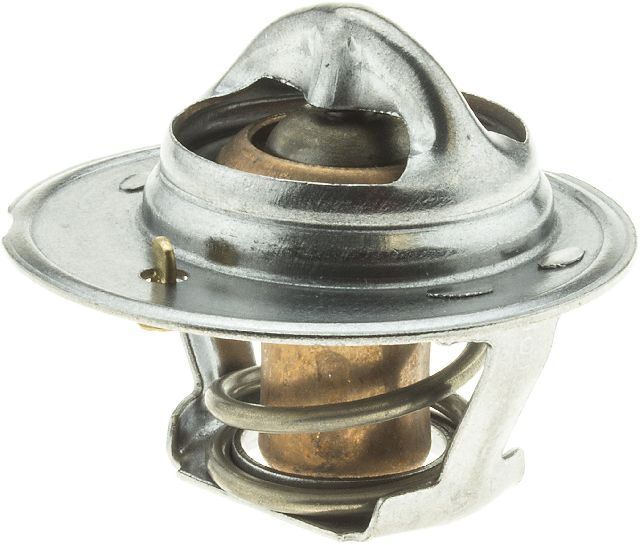
For the 2000-2008 Chrysler Voyager, the original Mopar thermostat provides reliable, factory-spec performance. However, quality aftermarket brands offer excellent value and can be a smart choice for repairs. Aftermarket parts are widely available and often come in kits that include the necessary gasket or seal.
Aftermarket Brand Tiers
- Premium Brands (Gates, Mishimoto): Gates is a well-respected name in cooling systems and is often considered equivalent to OEM quality. Mishimoto offers performance-oriented thermostats, sometimes with lower opening temperatures, which can be beneficial in very hot climates but may not be ideal for stock vehicles in moderate temperatures.
- Standard/Value Brands (Motorad, Calorstat, Vemo): These brands provide a good balance of quality and price. They are reliable replacements for daily driving and meet standard specifications. Motorad is a common and dependable choice found in many auto parts stores.
- Economy/Specialty Brands (Crown Automotive): Crown Automotive specializes in Jeep parts but offers components that fit other Chrysler vehicles. Their quality can be suitable for budget-conscious repairs, but OEM or premium aftermarket brands are generally recommended for critical parts like a thermostat.
Cost of Replacing a Chrysler Voyager Thermostat
| Part Type | Estimated Cost |
|---|---|
| New OEM (Mopar) | $40 - $75 |
| New Aftermarket | $10 - $70 |
| Shop Labor | $95 - $200 |
Frequently Asked Questions
What temperature thermostat should I use for my Voyager?
For a stock 2000-2008 Chrysler Voyager, you should use a thermostat with the factory-specified opening temperature, which is typically 195°F. Using a lower temperature thermostat can prevent the engine from reaching its optimal operating temperature, potentially affecting fuel economy and triggering a P0128 trouble code.
Can I just replace the thermostat or do I need the whole housing?
On most Voyager engines from this era (like the 3.3L and 3.8L V6), the thermostat is a separate part from the housing. You can typically replace just the thermostat and its gasket. However, if the housing is made of plastic and looks brittle, or if it's leaking, it's wise to replace it at the same time.
Is replacing the thermostat a difficult DIY job?
For most gasoline engines in the Voyager, the thermostat is located at the front of the engine where the upper radiator hose connects, making it a relatively simple job for a DIY mechanic. It involves draining some coolant, unbolting the housing, swapping the part, and refilling. However, on some engines (like the 2.5/2.8 CRD), the location is much more difficult to access.
What is a P0128 code and how does it relate to the thermostat?
P0128 is a diagnostic trouble code that means the engine's coolant temperature has not reached the expected operating temperature within a specific amount of time. The most common cause for this code is a thermostat that is stuck open, allowing coolant to circulate constantly and preventing the engine from warming up properly.
Technical Specifications
OEM Part Numbers: 4884569AB 5015320AA 83501426
Standard Temperature: 195°F (90°C)
We Have This Part in Stock


The information in this article is provided for general reference and educational purposes only. Vehicle specifications, procedures, and part compatibility can vary by production date, trim level, and region. Always consult your vehicle's factory service manual and verify part numbers before purchasing or performing repairs. Safety-critical components such as airbags, seat belts, and braking systems should be installed by a qualified professional.
- Chrysler Voyager: