

Dodge Magnum Fuel Injector Guide (2005-2008): Symptoms, Brands, and Replacement
Everything a Dodge Magnum owner needs to know about replacing failing or clogged fuel injectors.
- No major fuel injector recalls exist for the 2005-2008 Dodge Magnum; failures are typically due to age and contamination.
- For reliable aftermarket options, Bosch and Standard Ignition (SMP) are trusted alternatives to the more expensive Mopar OEM parts.
- Replacement on V6 models is more labor-intensive (and costly) than on V8 HEMI models because the intake manifold must be removed.
- It is highly recommended to replace all injectors at the same time and to always use new O-rings to prevent leaks.
Is Your Magnum's Fuel Injector Failing?
A bad fuel injector can make your car run poorly. The signs often start small but get worse over time. Ignoring them can lead to more expensive repairs, like a damaged catalytic converter.
Symptoms of a Bad Fuel Injector:
- Rough Idle: The engine feels shaky or uneven when you're stopped.
- Engine Misfires: You might feel a stutter or hesitation while driving. The check engine light will likely flash or stay on, with codes from P0300 to P0308.
- Loss of Power: The car feels sluggish and doesn't accelerate like it used to.
- Worse Gas Mileage: A leaking or clogged injector can waste fuel, forcing you to fill up more often.
- Fuel Smell: A strong smell of gasoline around the car can mean an injector is leaking fuel, which is a serious fire hazard.
No Major Recalls, But Age is a Factor
Searches of the National Highway Traffic Safety Administration (NHTSA) database show no specific recalls for fuel injector failure on the 2005-2008 Dodge Magnum. Problems are typically caused by normal wear and tear, fuel contamination, or corrosion from moisture in the fuel system over many years and miles.
Choosing the Right Aftermarket Fuel Injector
When you're shopping for a new fuel injector, you have options. Mopar is the original part, but high-quality aftermarket brands can offer the same performance for less money. Here’s a breakdown of the brands available.
Tier 1: OEM-Equivalent Quality
- Bosch: Bosch is a world-leading supplier of original equipment fuel injectors. They are known for high-quality engineering and are often the manufacturer behind the Mopar part. Choosing Bosch is a safe bet for reliable, long-lasting performance that matches the original.
- Mopar: This is the official OEM part from Chrysler. It guarantees a perfect fit and original performance, but it is usually the most expensive option.
Tier 2: Quality Aftermarket
- Standard Ignition (SMP): Standard Motor Products is a well-respected aftermarket manufacturer with a long history. Their parts are known to fit and function correctly and are considered a reliable alternative to OEM parts by many mechanics.
Tier 3: Economy Options
- Crown Automotive: Crown specializes in parts for Jeep, Dodge, and Chrysler vehicles. While very budget-friendly, customer reviews are mixed. Some report success and a good fit, while others have noted minor fitment issues or concerns about long-term durability.
- GBR Fuel Injection / Replacement: These are typically the most affordable options. While the low price is attractive, quality can be inconsistent. These injectors may not have the same precise flow rates or longevity as premium brands, which could affect performance and fuel economy.
How Much Does Dodge Magnum Fuel Injector Replacement Cost?
The cost depends on your engine and whether you do the job yourself. The V6 engines require removing the upper intake manifold to access the fuel rails, making the job longer and more expensive than on the V8 HEMI engines.
| Part / Service | Estimated Cost |
|---|---|
| New OEM (Mopar) Injector (1) | $150 - $250 |
| New Aftermarket Injector (1) | $35 - $180 |
| Shop Labor (per injector) | $180 - $325 |
| Total Professional Replacement (1) | $215 - $575+ |
Note: Costs are estimates and can vary by location and engine type. Replacing all injectors at once increases parts cost but may save on overlapping labor.
Pro Tip: Replace the O-Rings
Every fuel injector has small rubber seals called O-rings. These prevent fuel leaks and air leaks. ALWAYS use the new O-rings that come with your new injector. Lubricating the new O-rings with a little clean engine oil helps them seat properly without tearing during installation.
Frequently Asked Questions
Should I replace all fuel injectors at once?
It's highly recommended. Fuel injectors wear at a similar rate. If one has failed, others are likely not far behind. Replacing them all at once ensures they are flow-matched for a smooth-running engine and saves you from paying for the same labor multiple times.
Is replacing injectors on a V6 harder than on a V8?
Yes. On the 2.7L and 3.5L V6 engines, the upper intake plenum (manifold) must be removed to access the fuel rails and injectors. On the 5.7L and 6.1L HEMI V8s, the fuel rails are more exposed, making the job simpler and faster.
Can I just clean my old injectors instead of replacing them?
While professional off-the-car cleaning can sometimes restore a clogged injector, it cannot fix an injector that has failed electrically or mechanically. In-tank fuel injector cleaners can help with minor deposit buildup but won't fix a truly bad injector. Given the labor involved, replacement is often the more reliable solution.
What is a common mistake when ordering?
The biggest mistake is ordering the wrong injector for your specific engine. The 2.7L V6, 3.5L V6, 5.7L HEMI, and 6.1L SRT8 HEMI all use different fuel injectors with different flow rates. Always verify the part fits your exact year, model, and engine before buying.
Technical Specifications
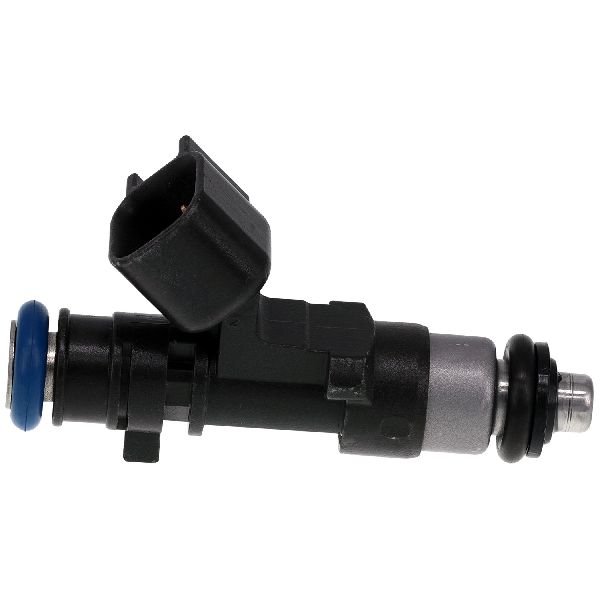
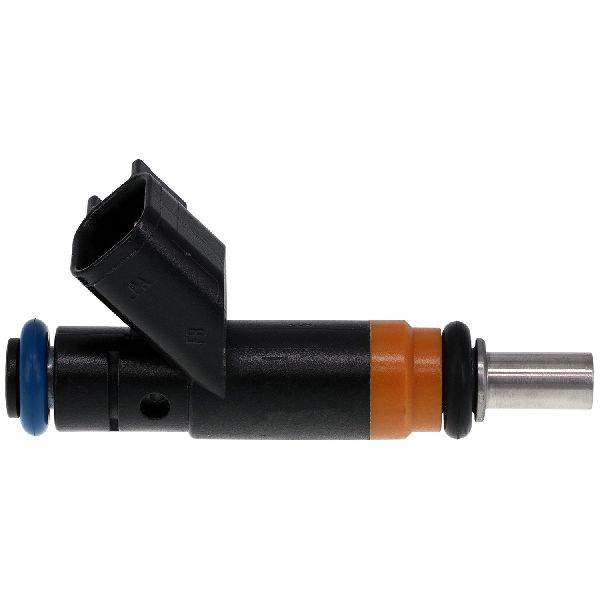
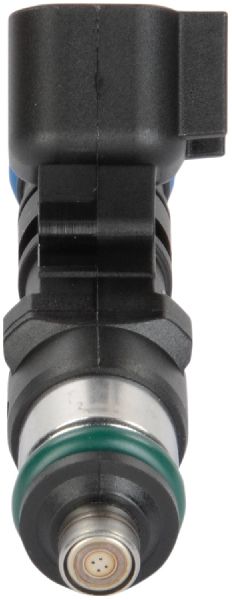
Fuel injectors for the Dodge Magnum are engine-specific. You must order the correct part for your 2.7L V6, 3.5L V6, 5.7L HEMI V8, or 6.1L SRT8 HEMI V8. They are not interchangeable. All injectors for this vehicle are of the high-impedance type and use an EV6-style electrical connector.
We Have This Part in Stock


The information in this article is provided for general reference and educational purposes only. Vehicle specifications, procedures, and part compatibility can vary by production date, trim level, and region. Always consult your vehicle's factory service manual and verify part numbers before purchasing or performing repairs. Safety-critical components such as airbags, seat belts, and braking systems should be installed by a qualified professional.
- Dodge Magnum:
- 🛍️ Shop This Part
- Is Your Magnum's Fuel Injector Failing?
- Symptoms of a Bad Fuel Injector:
- No Major Recalls, But Age is a Factor
- Choosing the Right Aftermarket Fuel Injector
- Tier 1: OEM-Equivalent Quality
- Tier 2: Quality Aftermarket
- Tier 3: Economy Options
- How Much Does Dodge Magnum Fuel Injector Replacement Cost?
- Pro Tip: Replace the O-Rings
- Frequently Asked Questions
- 🎟️ Get 5% Off