

Ford E-350 Econoline Radiator Coolant Hose Guide (2000-2008)
Keep your 2000-2008 Ford E-350 Econoline from overheating by understanding when and how to replace your radiator hoses.
- Inspect the lower radiator hose for rubbing against the steering box, a common failure point on these vans.
- A quality aftermarket brand like Gates is a reliable and cost-effective alternative to OEM Motorcraft parts.
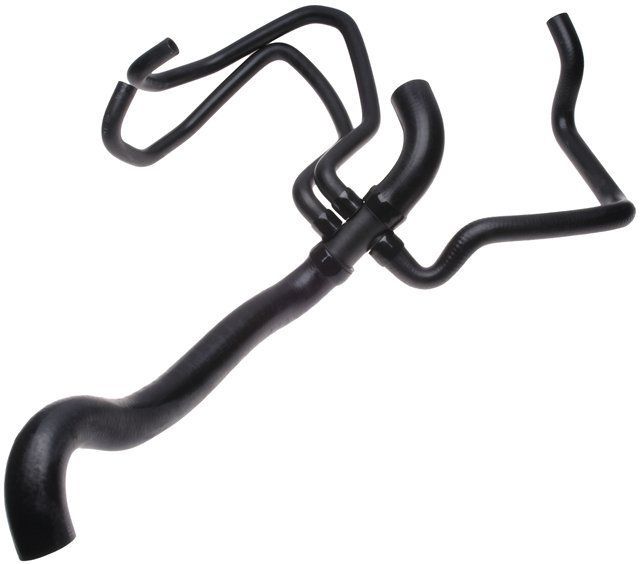
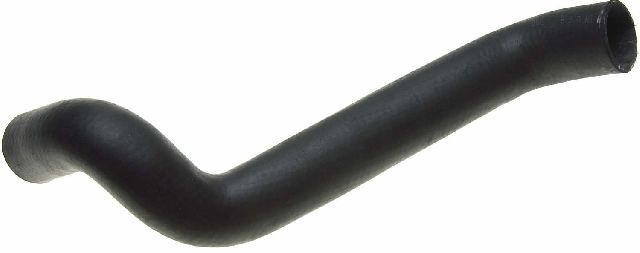
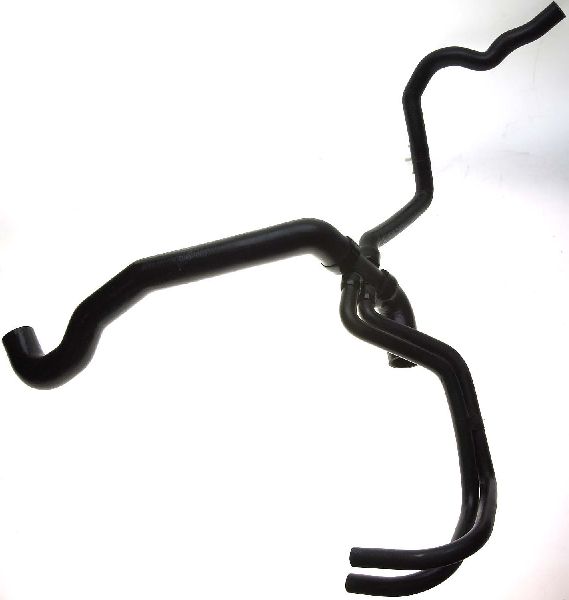
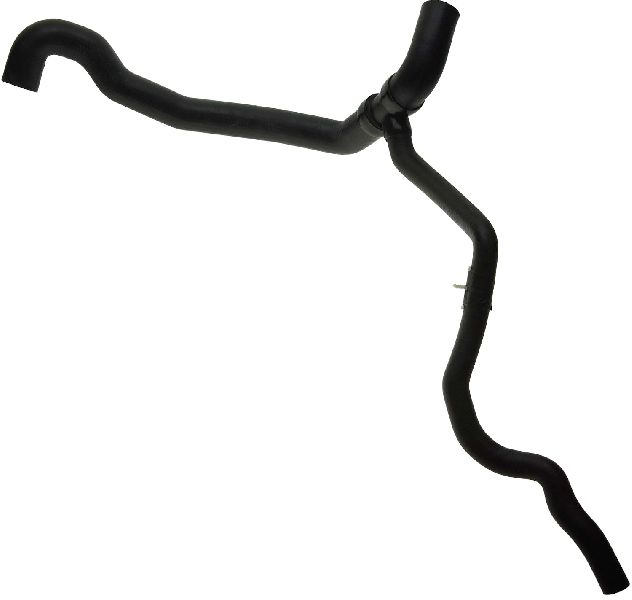
- Replacing the complex lower 'octopus' hose is a difficult job due to tight access; the upper hose is much easier.
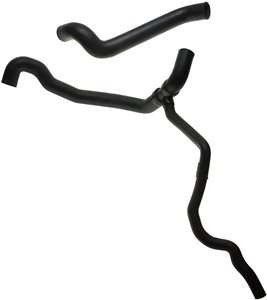
- If one hose has failed, it is best practice to replace both the upper and lower hoses at the same time.
Signs of a Failing Radiator Hose
Radiator hoses wear out over time from constant heat and pressure. Before a hose fails completely, it will usually show warning signs. Inspect your hoses regularly for these symptoms:
- Coolant Leaks: This is the most obvious sign. You may find puddles of green, yellow, or blue fluid under the front of your van. The coolant often has a distinctly sweet smell.
- Visible Damage: Look for cracks, splits, or holes on the hose's surface.
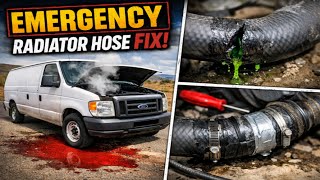
- Bulging or Swelling: A bulge or swollen spot means the hose's internal structure is weak and it could burst at any moment. 🎬 See how to handle a coolant failure emergency on the road. This is often caused by contamination from engine oil.
- Spongy or Soft Spots: When the engine is cool, squeeze the hoses. They should feel firm but flexible. If a hose feels soft, mushy, or overly hard and brittle, it needs to be replaced.
- Engine Overheating: If your temperature gauge climbs into the red, a failing hose could be the cause due to coolant loss.
Known Issue: Lower Hose Rubbing on Steering Box
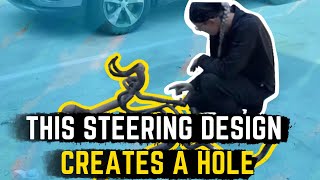
On many 2000-2008 E-350 vans with the 5.4L V8 engine, the complex lower radiator hose assembly is routed very close to the steering box. Over time, vibrations can cause the hose to rub against the steering box, wearing a hole in the rubber. This creates a coolant leak that can be mistaken for a power steering fluid leak. When replacing this hose, check for clearance and some mechanics even zip-tie a piece of the old hose over the new one at the contact point for extra protection.
Choosing the Right Aftermarket Hose: Gates vs. OEM
When shopping for a new radiator hose, you'll choose between Original Equipment (OEM) from Motorcraft or an aftermarket brand like Gates.
- Motorcraft (OEM): These hoses are designed by Ford for your van and guarantee a perfect fit. However, they are often much more expensive, and for older vehicles, some specific hoses may be discontinued and hard to find.
- Gates (Aftermarket): Gates is a well-respected brand that is widely considered to produce high-quality hoses that are a reliable alternative to OEM. Many professional mechanics and DIYers use Gates hoses and report that the fit and quality are very good, often nearly identical to the original part. While an OEM part is always a safe bet, a quality aftermarket hose from Gates offers excellent value and reliability for your E-350.
Pro Tip: When replacing one radiator hose, it's a good practice to replace the other at the same time. If one has failed due to age, the other is likely not far behind. This is especially true if you are tackling the difficult lower hose replacement.
Estimated Replacement Costs
The cost to replace a radiator hose depends on which hose needs replacement (the lower hose is much more labor-intensive) and your local shop's labor rates.
| Part | Estimated Cost |
|---|---|
| New Aftermarket Hoses (e.g., Gates) | $26 - $140 |
| New OEM (Motorcraft) Hoses | $75 - $250+ |
| Shop Labor | $100 - $400 |
| Total Estimated Cost | $126 - $650+ |
Frequently Asked Questions
Is it hard to replace a radiator hose on an E-350?
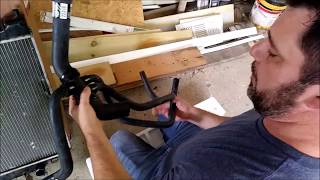
The upper radiator hose is generally easy 🎬 Watch a mechanic demonstrate a standard Econoline radiator hose replacement. to replace. However, the lower radiator hose on V8 models is very difficult due to its complex shape and tight routing. It requires working in a cramped space and carefully maneuvering the hose assembly, making it a challenging job for a beginner.
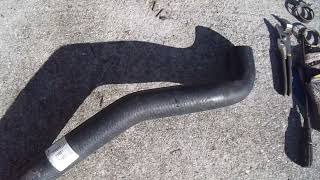
🎬 Watch this detailed walkthrough for replacing the difficult lower hose.Are there any recalls on the radiator hoses for this van?
No, there are no specific recalls or technical service bulletins (TSBs) from Ford or the NHTSA for radiator coolant hoses on the 2000-2008 Ford E-350 Econoline. Hoses are considered a standard wear-and-tear maintenance item.
Should I replace my hose clamps too?
It's a good idea. The original spring-style clamps can lose tension over time. While they can be reused if in good condition, many mechanics prefer to use new high-quality worm-gear or spring clamps to ensure a tight seal. Some aftermarket hoses may come with new clamps.
My van has a rear heater. Are the hoses different?
Yes. Vans with the optional rear auxiliary heater have an extra set of long metal and rubber coolant lines that run to the back of the vehicle. These lines are known to rust and leak, and are separate from the main radiator hoses in the engine bay.
Helpful Videos
Technical Specifications
Radiator hoses for the 2000-2008 Ford E-350 are specific to the engine size (e.g., 5.4L V8, 6.8L V10, or diesel). The lower hose for the 5.4L V8 is a complex, multi-port assembly often called an 'octopus' hose, which includes connections for the oil cooler and coolant reservoir.
We Have This Part in Stock

The information in this article is provided for general reference and educational purposes only. Vehicle specifications, procedures, and part compatibility can vary by production date, trim level, and region. Always consult your vehicle's factory service manual and verify part numbers before purchasing or performing repairs. Safety-critical components such as airbags, seat belts, and braking systems should be installed by a qualified professional.
- Ford E-350 Econoline: