

Ford Focus Accessory Drive Belt: A Guide for 2000-2008 Models
That squealing from your engine is a warning sign; here is what you need to know about your Focus's accessory drive belt.
- A squealing noise is the number one warning sign of a failing belt or tensioner.
- Do not drive if the belt breaks; you will lose power steering, battery charging, and engine cooling, which can cause engine damage.
- For cars over 80,000 miles, always replace the belt tensioner and idler pulley with the belt to avoid future problems.
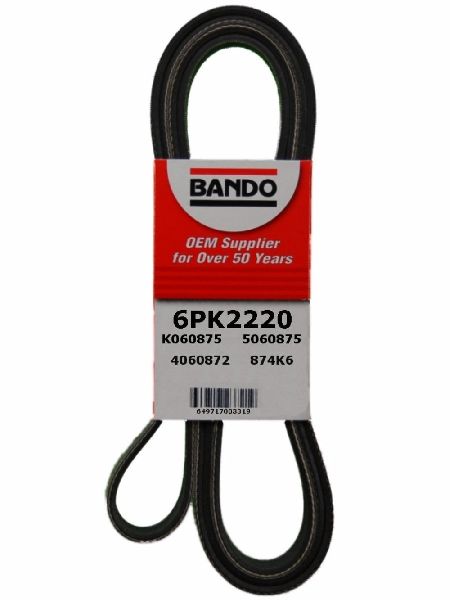
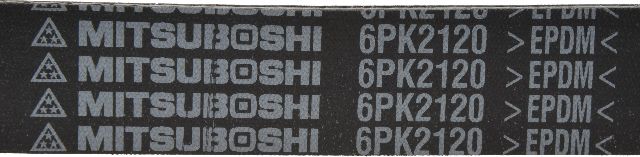
- Quality aftermarket brands like Bando, Mitsuboshi, and ACDelco are reliable and cost-effective alternatives to OEM parts.
Is Your Ford Focus Accessory Belt Failing?
A failing accessory drive belt gives you several warning signs before it breaks completely. Ignoring them can leave you stranded. A broken belt means your car will lose power steering, stop charging the battery, and the engine will quickly overheat.
Key Failure Symptoms
- Squealing or Chirping Noises: This is the most common sign. A high-pitched squeal, especially when you start the car or turn the steering wheel, means the belt is likely slipping.
- Visible Wear and Tear: Look at the belt. If you see cracks, frayed edges, missing pieces of the ribbed section, or a shiny, glazed surface, it needs to be replaced.
- Accessory Failures: If your power steering becomes heavy, the A/C stops blowing cold, or the battery light comes on, the belt may not be turning those components properly.
- Engine Overheating: The belt drives the water pump. If it slips or breaks, the engine will overheat from a lack of coolant circulation.
Known Issues for the 2000-2008 Ford Focus
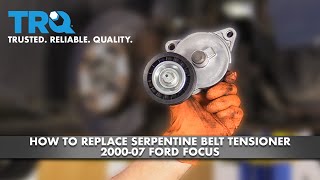
While searches of the National Highway Traffic Safety Administration (NHTSA) database show no specific recalls for the accessory drive belt on 2000-2008 Ford Focus models, a common point of failure is not the belt itself, but the parts it runs on. The belt tensioner and idler pulley are very common failure points. The tensioner is a spring-loaded part that keeps the belt tight, and its internal spring can weaken over time. The idler is a free-spinning pulley that helps guide the belt. When the bearings in these parts wear out, they cause squealing noises and can damage the new belt or cause it to come off.
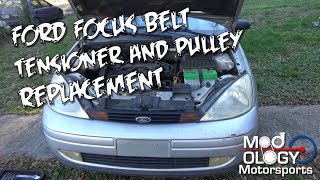
If your Focus has over 80,000 miles or you hear a persistent squeal, it is highly recommended to replace the belt tensioner and any idler pulleys at the same time you replace the belt. 🎬 Watch this complete walkthrough for replacing the belt, tensioner, and pulley. This prevents you from having to do the same job twice when the old tensioner fails a few months later.
Choosing the Right Aftermarket Belt
For a part like an accessory drive belt, you do not need to buy the expensive OEM (Motorcraft) part from the dealer to get a quality product. Several aftermarket brands offer parts that meet or exceed original specifications. Based on owner discussions and mechanic recommendations, the following brands are reliable choices for your Ford Focus.
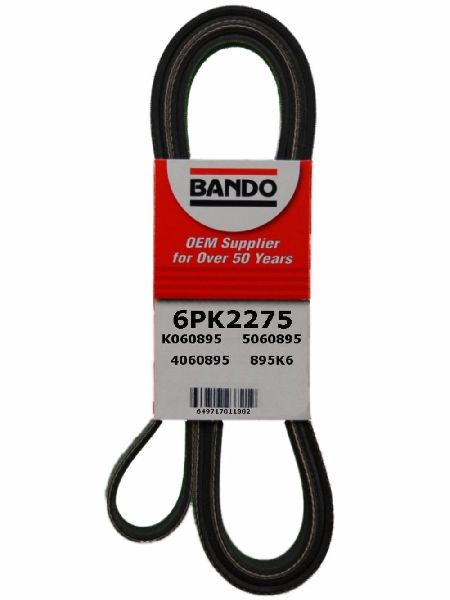
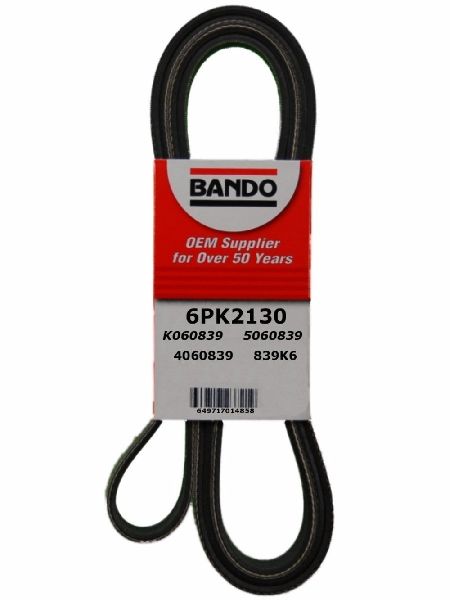
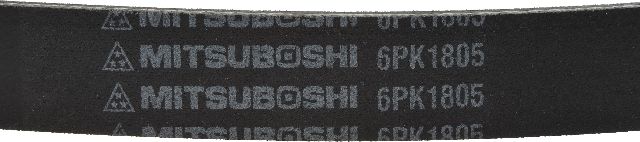
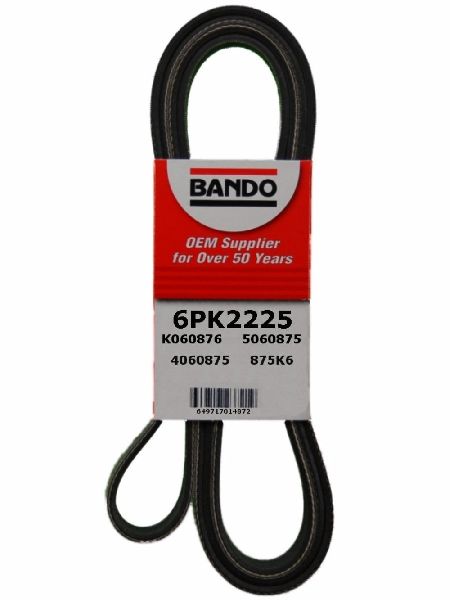
- Bando & Mitsuboshi: Both are major OEM suppliers for many Japanese automakers and are known for producing high-quality, durable belts. They are considered a top-tier choice.
- ACDelco: While it is General Motors' parts brand, ACDelco makes quality parts for many different vehicles, including the Ford Focus, and is a trusted name in the industry.
Ultimately, any of these brands will serve you well. The most important factor is ensuring you buy the correct belt length for your specific engine (e.g., 2.0L Zetec, 2.0L Duratec, etc.) and options (with or without A/C), as they can differ.
| Part Type | Estimated Cost |
|---|---|
| New Aftermarket Belt | $26.92 - $85.31 |
| New OEM (Motorcraft) Belt | $60 - $97 |
| Shop Labor | $73 - $108 |
| Total Professional Replacement | $154 - $188 |
Frequently Asked Questions (FAQ)
How often should I replace the accessory drive belt?
Most accessory belts are designed to last between 60,000 and 100,000 miles. However, it's best to inspect the belt for cracks or wear at every oil change and replace it if it shows any signs of deterioration, regardless of mileage.
What's the difference between a serpentine belt and a timing belt?
They are two different parts. The accessory (or serpentine) belt is visible on the side of the engine and runs external parts like the alternator and A/C. The timing belt is internal, hidden behind a cover, and synchronizes the engine's internal moving parts. A timing belt failure can cause severe engine damage, while a serpentine belt failure will just cause the car to stop running.
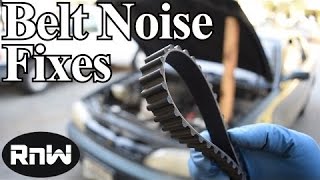
Why is my new belt squeaking? 🎬 See how to diagnose and fix persistent belt squealing noises.
If a brand new belt is squeaking, the problem is almost certainly not the belt. The noise is likely caused by a weak or failing belt tensioner, a misaligned pulley, or a worn bearing in one of the accessories (like the alternator or idler pulley).
Is this a difficult DIY job?
For a DIYer with some experience, it is manageable. It requires a 15mm wrench or a serpentine belt tool to release the tensioner. Access is tight, and removing the passenger-side front wheel and coolant overflow tank can make the job much easier. The key is to correctly route the new belt around all the pulleys.
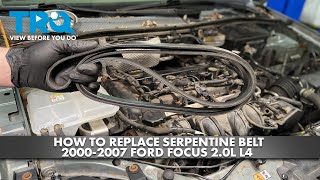
🎬 Watch: Step-by-step serpentine belt replacement for 2.0L Ford Focus models.Helpful Videos
Technical Specifications
OEM Part Numbers: 4S4Z-8620-CC 4S4Z-8620-CB YS4Z-8620-BA
Belt length and rib count vary by engine (2.0L SPI, 2.0L Zetec, 2.0L/2.3L Duratec) and model year. Always verify the correct part number for your specific vehicle configuration before ordering.
We Have This Part in Stock

The information in this article is provided for general reference and educational purposes only. Vehicle specifications, procedures, and part compatibility can vary by production date, trim level, and region. Always consult your vehicle's factory service manual and verify part numbers before purchasing or performing repairs. Safety-critical components such as airbags, seat belts, and braking systems should be installed by a qualified professional.
- Ford Focus: