

GMC Yukon XL 1500 Oxygen Sensor Guide for 2000-2008 Models
Solving check engine lights and poor MPG starts with the right oxygen sensor for your truck.
- For best results, use ACDelco, Denso, or NTK brand oxygen sensors; avoid using Bosch on this specific truck.
- Your Yukon has four sensors; identify the correct location (Bank 1/2, Sensor 1/2) before ordering.
- A failing oxygen sensor can ruin your expensive catalytic converters if not replaced in a timely manner.
- If your truck has over 100,000 miles, consider replacing the sensors even if they haven't failed yet to restore fuel economy and performance.
Understanding Oxygen Sensor Failure in Your Yukon
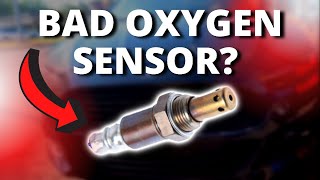
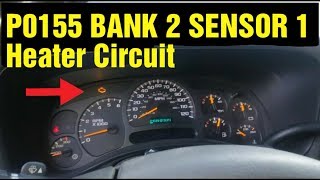
The oxygen sensors in your 2000-2008 GMC Yukon XL 1500 are critical for engine performance and fuel efficiency. When one or more of these sensors fail, your truck's computer receives bad information, leading to a range of problems. The most common sign of a bad oxygen sensor is a Check Engine Light on your dashboard. You might also notice your truck using more gas than usual, idling roughly, or even misfiring. Ignoring a failing 🎬 Watch: Learn more about the common symptoms of a bad sensor. oxygen sensor can lead to more expensive problems down the road, including a damaged catalytic converter, which is a very costly repair.
Don't Ignore the Signs
While your truck will still run with a bad oxygen sensor, it's not recommended to drive it for long periods. The engine will be running on an incorrect fuel mixture, which can cause poor performance and, more importantly, can overheat and destroy your catalytic converters. Replacing O2 sensors is much cheaper than replacing converters.
Choosing the Right Aftermarket Oxygen Sensor
When it comes to oxygen sensors for GM trucks of this era, brand choice is extremely important. Some sensors that work well in other vehicles can cause problems in the Yukon's 5.3L and other V8 engines. Based on owner experiences and mechanic recommendations, here is a breakdown of available brands.
Tier 1: OEM Quality & Highly Recommended
- ACDelco: This is the original equipment (OE) brand for General Motors. Choosing ACDelco guarantees a perfect fit, correct wire length, and proper electronic communication with your truck's computer.
- Denso & NGK (NTK): These brands are often the actual manufacturers for ACDelco parts. They are considered OE-quality and are a top choice for reliability and performance in GM vehicles. Many professional mechanics trust Denso and NTK as a direct replacement for ACDelco, often at a slightly lower price.
Tier 2: Reputable Aftermarket
- Delphi: As another major OE supplier for many car parts, Delphi sensors are generally considered a reliable option.
- Walker Products: Walker is a well-known aftermarket exhaust and emissions parts manufacturer. Their sensors are a solid standard replacement option.
Tier 3: Budget-Friendly & Cautions
- Bosch: Use with caution. While Bosch is a top-tier brand for many European vehicles, numerous Yukon and Silverado owners report compatibility issues, leading to persistent check engine lights and performance problems even after installation. It is generally recommended to avoid Bosch sensors for this specific vehicle range.
- DriveWire, Spectra: These brands fall into the economy category. They can be a solution for a tight budget, but may not offer the same longevity or precise calibration as the Tier 1 brands.
Common Ordering Mistakes
Your Yukon has four sensors. Make sure you order the correct one. They are identified by location:
- Bank 1: Driver's Side
- Bank 2: Passenger's Side
- Sensor 1: Upstream (before the catalytic converter, measures engine exhaust)
- Sensor 2: Downstream (after the catalytic converter, monitors converter efficiency)
For example, a code for "Bank 1, Sensor 1" refers to the upstream sensor on the driver's side. Upstream and downstream sensors are not interchangeable.
🎬 See this video to help locate the sensors on your truck.Known Issues for This Vehicle
There are no direct recalls for oxygen sensors on the 2000-2008 GMC Yukon XL 1500. However, a voluntary emissions recall (#14581) was issued for some 2008 models to reprogram the engine computer for better emissions control, a system that relies on O2 sensor data. Additionally, a common cause for sensor failure is contamination from oil or coolant leaks, or simply old age. Sensors over 100,000 miles are more likely to fail or become less accurate.
Cost of Replacing an Oxygen Sensor
| Part Type | Price Range (Per Sensor) |
|---|---|
| New Aftermarket | $33.58 - $118.08 |
| New OEM (ACDelco) | $75 - $150 |
| Shop Labor | $80 - $150 per sensor |
Frequently Asked Questions
How many oxygen sensors does my 2000-2008 Yukon XL 1500 have?
Your truck has four oxygen sensors. There is one upstream (before the cat) and one downstream (after the cat) for each side of the V8 engine.
Should I replace all four sensors at once?
If one sensor fails due to age or high mileage (over 100k miles), the others are likely not far behind. It's good practice to replace them in pairs (both upstream or both downstream) or all four at once to maintain balanced engine performance. If a sensor fails prematurely from contamination, you may only need to replace the single failed unit after fixing the source of the contamination.
What tools do I need to replace an oxygen sensor?
You will need a special oxygen sensor socket, which has a slit on the side for the wire to pass through. You can often rent this tool from auto parts stores. You'll also need a ratchet and potentially some penetrating oil if the old sensor is rusted in place. Applying anti-seize compound to the threads of the new sensor is highly recommended.
🎬 Watch this step-by-step walkthrough to replace your oxygen sensors.Why shouldn't I use Bosch sensors on my Yukon?
While Bosch is a quality brand, their sensors are often calibrated differently. Many GM truck owners have found that using Bosch sensors does not solve the check engine light and can cause the engine's computer to reject the signal, leading to continued performance issues. It's safest to use ACDelco, Denso, or NTK.
Helpful Videos
Technical Specifications
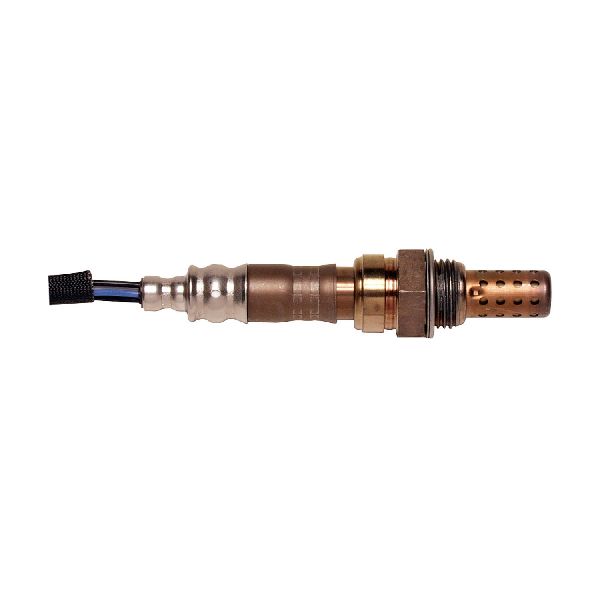
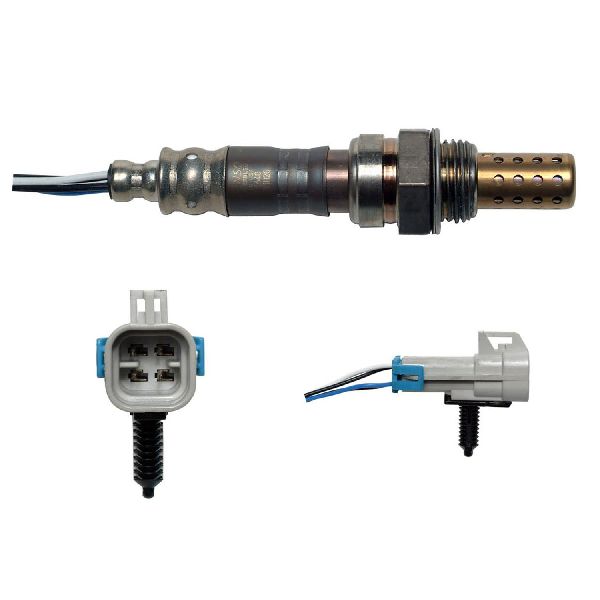
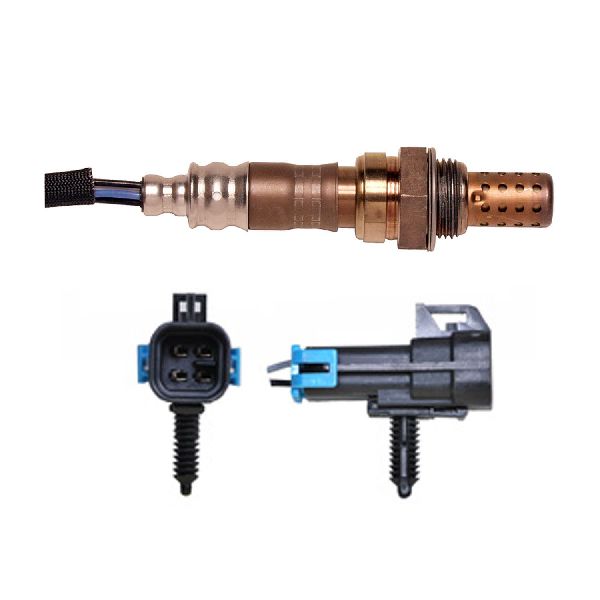
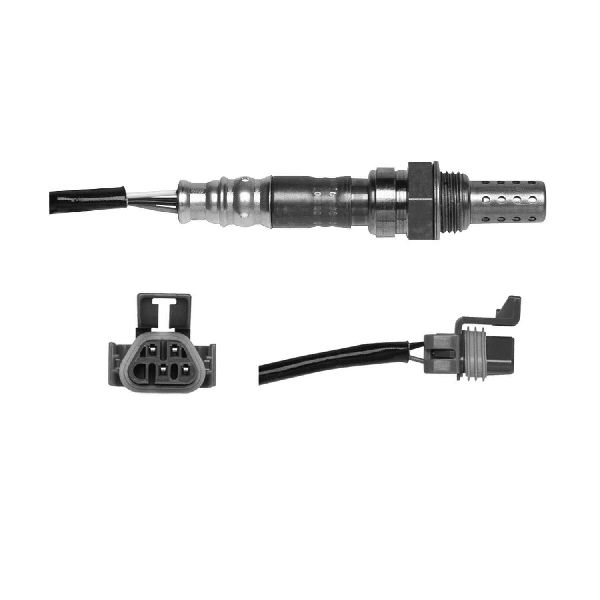
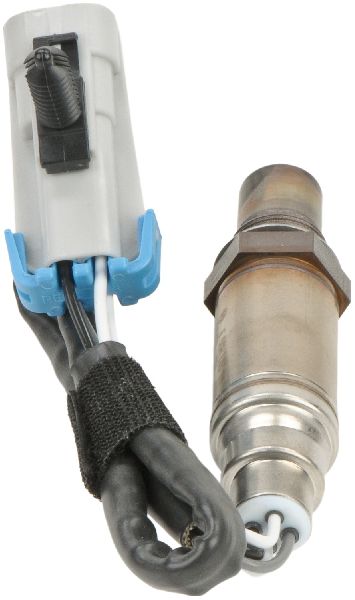
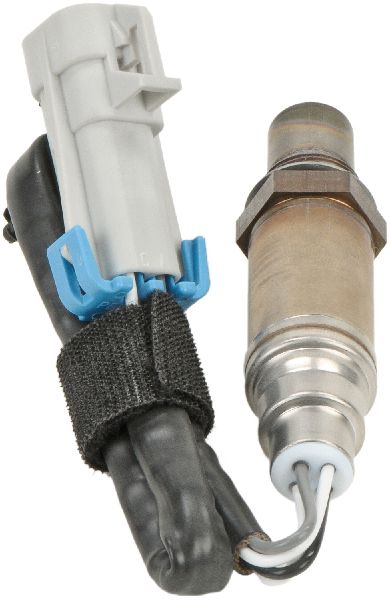
Vehicle requires four (4) oxygen sensors: two upstream (pre-catalytic converter) and two downstream (post-catalytic converter).
We Have This Part in Stock

The information in this article is provided for general reference and educational purposes only. Vehicle specifications, procedures, and part compatibility can vary by production date, trim level, and region. Always consult your vehicle's factory service manual and verify part numbers before purchasing or performing repairs. Safety-critical components such as airbags, seat belts, and braking systems should be installed by a qualified professional.
- GMC Yukon XL 1500:
- 🎬 Helpful Videos
- 🛍️ Shop This Part
- Understanding Oxygen Sensor Failure in Your Yukon
- Don't Ignore the Signs
- Choosing the Right Aftermarket Oxygen Sensor
- Tier 1: OEM Quality & Highly Recommended
- Tier 2: Reputable Aftermarket
- Tier 3: Budget-Friendly & Cautions
- Common Ordering Mistakes
- Known Issues for This Vehicle
- Cost of Replacing an Oxygen Sensor
- Frequently Asked Questions
- 🎟️ Get 5% Off